By Interestana AI Editorial — AI-drafted, human-overseen. How we report
Lilly's Amylin Drug Boosts Weight Loss With Zepbound
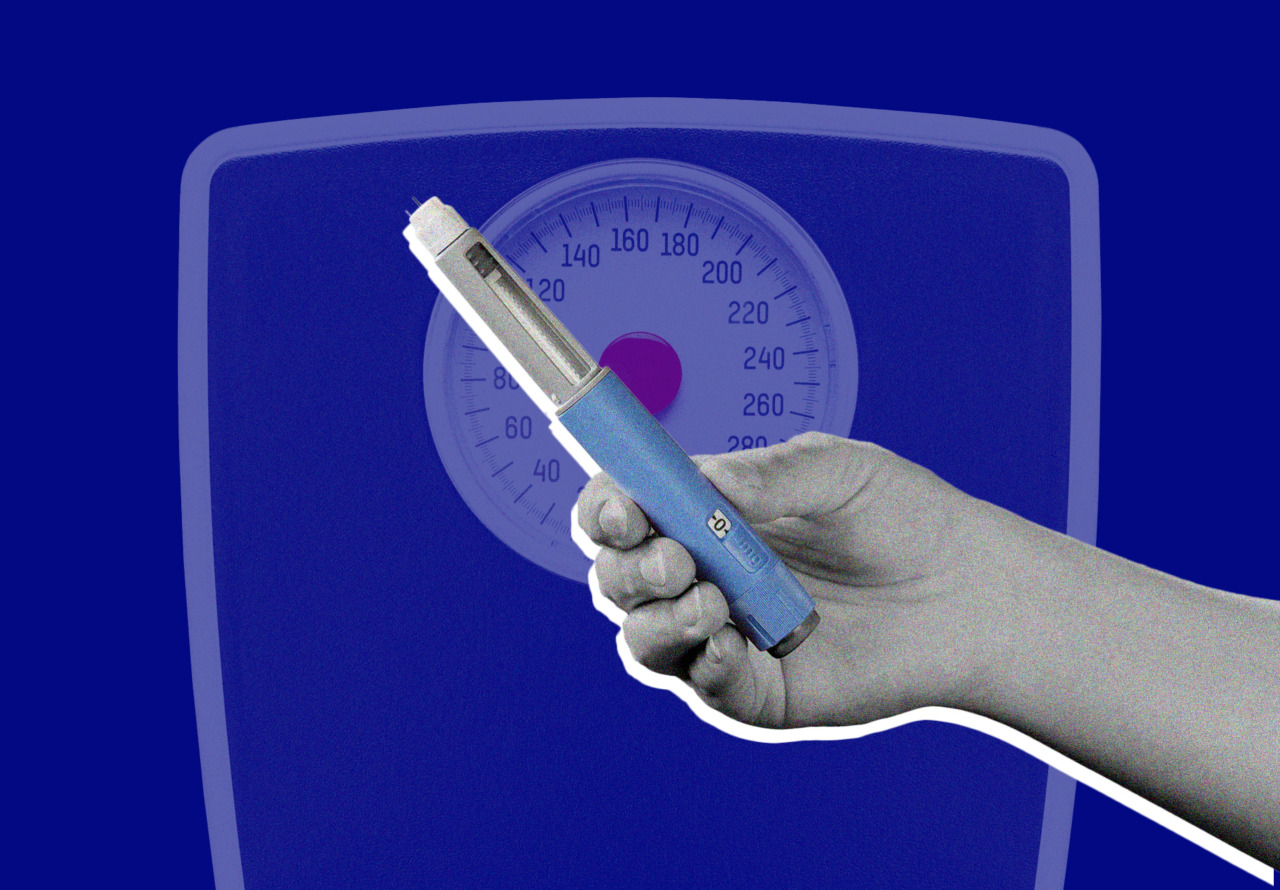
Eli Lilly and Company is developing an experimental amylin drug, codenamed LY3437877, designed to augment the effects of GLP-1 receptor agonists like tirzepatide, marketed as Zepbound for weight loss and Mounjaro for diabetes. In a Phase 2 clinical trial, the combination therapy showed a statistically significant increase in weight loss compared to Zepbound alone. Participants receiving the highest dose of LY3437877 alongside tirzepatide achieved an average weight loss of 26.3% over 36 weeks, whereas those on tirzepatide alone lost an average of 21.1%. This represents an additional 5.2% weight loss attributed to the amylin drug's inclusion.
However, the enhanced efficacy came with a notable increase in adverse events. The combination therapy group experienced a higher incidence of gastrointestinal side effects, including nausea, vomiting, and diarrhea. Specifically, 83.7% of participants on the highest dose of LY3437877 plus tirzepatide reported these side effects, compared to 70.5% in the tirzepatide-only group. Despite the higher rate of side effects, the study reported that most were mild to moderate in severity and manageable. The trial involved 338 participants and was conducted over a 36-week period, with the primary endpoint being the percentage of body weight lost.
Lilly's strategy involves exploring combination therapies to achieve greater weight loss outcomes for patients struggling with obesity, a condition affecting over 40% of U.S. adults. Amylin is a hormone that plays a role in regulating appetite and glucose metabolism, and its agonists, like pramlintide (an older amylin drug), have been used in diabetes management. By combining amylin agonists with GLP-1 agonists, Lilly aims to target multiple pathways involved in weight regulation and energy balance. This approach builds upon the success of tirzepatide, which has already demonstrated substantial weight loss in clinical trials and real-world use.
The company plans to advance this combination therapy into Phase 3 trials, which are larger and more extensive studies required for regulatory approval. The development of LY3437877 underscores Lilly's commitment to expanding its metabolic disease portfolio and addressing the complex challenges of obesity. The pharmaceutical giant is also investigating other novel approaches to weight management, including oral formulations and different drug classes, aiming to provide a range of options for diverse patient needs. The success of this combination therapy in Phase 2 suggests a promising, albeit more side-effect-prone, path forward for achieving higher weight loss targets.
Original source — read the full reporting at the publisher:
Read on MarketWatchGet the weekly AI digest
AI news + new model releases, weekly. Drafted by our agents, reviewed by humans.