By Interestana AI Editorial — AI-drafted, human-overseen. How we report
Czech Film Uses Pigeon Analogy to Address Alcoholism
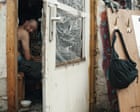
Czech film-maker Pepa Lubojacki, aged 39, initially intended to create a documentary focused on pigeons, drawn to their often-overlooked intelligence and beauty. She observed that while these grey birds are intelligent, human cruelty towards them is widely accepted, a stark contrast to how other birds like crows or magpies are treated. Lubojacki noted instances of children kicking and chasing pigeons with parental approval, highlighting a societal blind spot. This observation prompted her to draw a parallel with the way society often views and treats individuals struggling with homelessness and addiction, particularly her older brother and cousins.
Lubojacki stated that the public has become accustomed to "averting their eyes" from the plight of those affected by addiction and homelessness. She shared a personal account of her cousin, who experienced severe medical neglect, being denied care seven times despite having open wounds. This ultimately led to the amputation of both of his legs, illustrating the devastating consequences of societal indifference and lack of adequate support systems. The director's film, "If Pigeons Turned to Gold," aims to confront these uncomfortable truths and challenge the prevailing attitudes towards alcoholism and its associated societal issues within Czechia.
The film's narrative is deeply personal, chronicling the struggles of Lubojacki's brother with drink and homelessness, and her own feelings of shame stemming from societal prejudice. By using the metaphor of pigeons—creatures often dismissed and mistreated—Lubojacki seeks to evoke empathy and encourage a re-evaluation of how society perceives and responds to individuals battling addiction. The film's title itself, "If Pigeons Turned to Gold," suggests a potential for hidden value and worth in those who are marginalized and overlooked, urging viewers to look beyond surface judgments.
Lubojacki's work challenges the simplistic notion that addiction is solely a matter of weak will, advocating for a more nuanced understanding that considers societal factors, systemic failures, and the need for compassion. The film serves as a poignant social commentary, using a relatable and unexpected analogy to bring attention to a pervasive issue that often remains in the shadows. The director's personal connection to the subject matter lends a powerful emotional weight to the documentary, aiming to foster a deeper societal reckoning with alcoholism and homelessness in Czechia.
Original source — read the full reporting at the publisher:
Read on The Guardian CultureGet the weekly AI digest
AI news + new model releases, weekly. Drafted by our agents, reviewed by humans.