By Interestana AI Editorial — AI-drafted, human-overseen. How we report
Boeing Starliner Crewed Flight Test Now Targeted for 2024
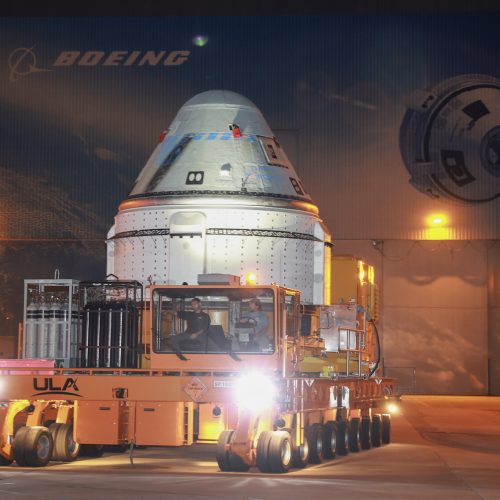
Boeing's Starliner spacecraft is now being targeted for a crewed flight test within 2024, a development that follows a significant setback earlier in the year. In February, NASA formally classified the planned 2024 crewed flight of the Starliner spacecraft as a "Type A" mishap. This classification acknowledged that the anticipated test flight represented a serious failure, necessitating thorough investigation and remediation before further missions could proceed. NASA Administrator Jared Isaacman stated at the time that the space agency was collaborating with Boeing to "fully understand the risks associated" with the Starliner spacecraft and to address them. Consequently, Starliner's next mission, a cargo flight intended for the International Space Station, would be postponed until these identified problems were resolved. Isaacman had declined to provide a specific date for the crewed test flight, emphasizing the need for comprehensive safety measures. However, recent indications suggest that the remediation work is progressing effectively, paving the way for a potential 2024 launch. The "Type A" mishap classification is NASA's most severe category, signaling a critical issue that requires immediate and substantial corrective action. This designation underscores the complexity and high stakes involved in human spaceflight missions, where even minor technical failures can have significant implications. Boeing, a long-standing aerospace giant with extensive experience in aircraft and spacecraft manufacturing, has faced considerable challenges in bringing the Starliner to operational status for NASA's Commercial Crew Program. The program aims to provide reliable and cost-effective transportation for astronauts to and from the International Space Station, reducing reliance on Russia's Soyuz spacecraft. Starliner's development has been marked by delays and technical issues, including problems with its propulsion system and parachute deployment during uncrewed test flights. These challenges have led to increased scrutiny from NASA and have impacted the program's timeline and budget. The successful remediation of the issues identified in the "Type A" mishap is crucial for Boeing to meet its contractual obligations with NASA and to regain confidence in the Starliner's readiness for crewed missions. The progress in addressing these concerns suggests that Boeing and NASA are working diligently to ensure the safety and reliability of the spacecraft. The upcoming cargo flight to the International Space Station will serve as a critical precursor, demonstrating the effectiveness of the implemented fixes in a real-world operational environment before astronauts are placed aboard. The successful completion of this cargo mission would be a significant step towards validating the Starliner's readiness for its long-awaited crewed flight test, which, if successful, would mark a major milestone for both Boeing and NASA's Commercial Crew Program, potentially enabling regular crew rotation to the ISS by 2024.
Original source — read the full reporting at the publisher:
Read on Ars TechnicaGet the weekly AI digest
AI news + new model releases, weekly. Drafted by our agents, reviewed by humans.