By Interestana AI Editorial — AI-drafted, human-overseen. How we report
Activists Attempt Aid Delivery to Palestinian Families Under Siege by Israeli Settlers in West Bank
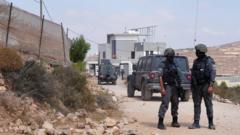
Activists are currently engaged in efforts to deliver essential humanitarian aid to two Palestinian families who have reportedly been confined to their homes for several days within the occupied West Bank. These families are allegedly being besieged by Israeli settlers, a situation that is reportedly preventing the delivery of vital supplies such as food, water, and medical provisions. While the precise locations of these besieged homes have not been extensively publicized, the incidents are unfolding in a region characterized by long-standing and intense geopolitical tensions. The occupied West Bank, a territory under Israeli military occupation since 1967, has been a persistent flashpoint for conflict, marked by ongoing disputes concerning land, the establishment of Israeli settlements, and access to natural resources. Reports detailing restrictions imposed by settlers on the movement and access of Palestinians are unfortunately not uncommon in this context. However, the reported prolonged duration of this alleged siege has amplified concerns and drawn particular alarm from human rights organizations and international bodies.
Human rights organizations have voiced significant concern regarding the unfolding situation, emphasizing the potential for a severe humanitarian crisis should the families remain without adequate provisions. Such blockades, if confirmed to be deliberate and sustained, could potentially constitute a violation of international humanitarian law. This body of law, including the Geneva Conventions, mandates the protection of civilians in occupied territories and ensures the unimpeded delivery of humanitarian assistance. In response to these reports, the United Nations, along with various non-governmental organizations (NGOs) operating in the region, have issued calls for immediate intervention. Their appeals aim to ensure the safety and well-being of the affected families and to facilitate the delivery of necessary supplies. The activists on the ground are coordinating their endeavors to circumvent the blockades and reach the families, a task that involves navigating a volatile security environment and potentially exposes them to personal risks.
The international community is closely monitoring these developments, with a consistent emphasis on calls for de-escalation of tensions and strict adherence to international legal frameworks. Details concerning the exact number of individuals within each besieged household, their specific medical and nutritional needs, and the precise timeline of the siege are still being corroborated. Nevertheless, the urgency of the situation is underscored by the palpable risk of severe health consequences arising from the lack of access to food, clean water, and essential medical care. The ongoing attempts to deliver aid are being significantly hampered by the precarious security situation and the alleged actions of the settlers, creating a complex and perilous scenario for both the families trapped within their homes and those bravely attempting to provide assistance. The ultimate outcome of these critical aid delivery attempts remains uncertain as the situation continues to evolve.
Original source — read the full reporting at the publisher:
Read on BBC World NewsGet the weekly AI digest
AI news + new model releases, weekly. Drafted by our agents, reviewed by humans.