By Interestana AI Editorial — AI-drafted, human-overseen. How we report
Standing Rock Activists Mark Decade Since Pipeline Protests
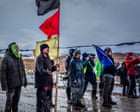
Ten years after significant demonstrations against the Dakota Access pipeline, tribal leaders and Native American organizers reconvened at the Standing Rock Sioux reservation this week to commemorate the movement and reflect on its enduring impacts. The four-day encampment, held in the rural reservation area of Fort Yates, North Dakota, centered on the Lakota phrase "mní wičóni," meaning "water is life." Approximately 150 tribal members and allies participated in the gathering, which featured communal meals, drum circles, sacred ceremonies, and memorials. The event served as a moment to honor the activism that took place a decade prior and to reaffirm commitments to environmental protection and Indigenous rights.
The original protests in 2016 drew international attention and significant numbers of activists to the area, creating a large encampment that became a focal point for opposition to the pipeline's construction. The movement galvanized support for Indigenous sovereignty and environmental justice, highlighting concerns about the potential impact of the pipeline on the Missouri River, the primary water source for the Standing Rock Sioux Tribe, and downstream communities. Despite the large-scale demonstrations and legal challenges, the Dakota Access pipeline, a 1,172-mile-long oil pipeline, began operations in June 2017, transporting oil from the Bakken formation in North Dakota to a terminal in Patoka, Illinois. The pipeline's construction and operation have continued to be a source of contention and legal battles, with ongoing debates about its environmental risks and the rights of Indigenous peoples.
Organizers of the recent gathering emphasized the importance of remembering the sacrifices made and the lessons learned during the 2016 protests. They highlighted the continued need for vigilance in protecting water resources and advocating for policies that respect tribal sovereignty and environmental stewardship. The "mní wičóni" encampment aimed to foster intergenerational dialogue, share experiences, and strategize for future actions. Participants discussed the broader implications of the Standing Rock movement, which inspired similar activism and increased awareness of the challenges faced by Indigenous communities in asserting their rights and protecting their lands and waters from industrial development. The event underscored the long-term commitment of activists and tribal nations to these causes, even as the immediate goals of halting the pipeline's construction were not fully achieved.
The legacy of Standing Rock extends beyond the immediate pipeline controversy, influencing national conversations on energy infrastructure, climate change, and the rights of Indigenous peoples. The movement demonstrated the power of grassroots organizing and the potential for collective action to challenge powerful corporate and governmental interests. Organizers expressed a determination to continue the fight for clean water and environmental justice, drawing strength from the shared experience and the enduring spirit of the "water is life" movement. The anniversary gathering served as a powerful reminder of the ongoing struggle and the unwavering resolve of those dedicated to protecting natural resources and upholding Indigenous rights.
Original source — read the full reporting at the publisher:
Read on The Guardian WorldGet the weekly AI digest
AI news + new model releases, weekly. Drafted by our agents, reviewed by humans.