By Interestana AI Editorial — AI-drafted, human-overseen. How we report
Acer Launches Premium Chromebook with Core Ultra 7
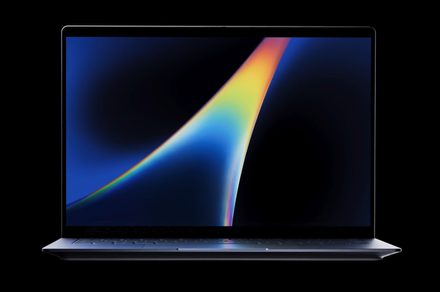
Acer is poised to release its first premium Chromebook, codenamed "Googlebook 14," signaling a significant upgrade for the ChromeOS laptop line. This new device has surfaced with specifications that position it as a high-end alternative to traditional Windows laptops, addressing long-standing criticisms of Chromebooks regarding performance and build quality. The "Googlebook 14" is expected to feature an Intel Core Ultra 7 355 processor, a chip designed for enhanced AI capabilities and improved power efficiency. This processor choice indicates a departure from the lower-power CPUs typically found in Chromebooks, aiming to deliver a more robust computing experience.
Further enhancing its premium appeal, the device is slated to offer configurations with up to 32GB of RAM. This substantial amount of memory is typically reserved for high-performance laptops and will enable smoother multitasking, faster application loading, and better handling of demanding workloads. For visual fidelity, the "Googlebook 14" will sport a 2.8K OLED display. OLED technology is known for its superior contrast ratios, vibrant colors, and deep blacks, offering a significantly more immersive viewing experience compared to the LCD panels common in most Chromebooks. The 2.8K resolution further ensures sharp and detailed visuals, suitable for content creation, media consumption, and productivity tasks.
The development of a premium Chromebook by Acer aligns with a broader trend of manufacturers investing in the ChromeOS ecosystem. Historically, Chromebooks have been perceived as budget-friendly devices primarily suited for web-based tasks and education. However, with the increasing power of web applications and the evolution of ChromeOS, there has been a growing demand for more capable and feature-rich Chromebooks. Acer's "Googlebook 14" appears to be a direct response to this demand, aiming to attract users who require more power and a better display without necessarily opting for a traditional Windows laptop. The inclusion of a Core Ultra processor also suggests potential integration with AI-accelerated features, a key focus for Intel's latest chip architecture.
While specific release dates and pricing have not yet been announced, the emergence of these detailed specifications indicates that the "Googlebook 14" is nearing its launch. This device has the potential to redefine expectations for what a Chromebook can be, offering a compelling package for users seeking a blend of performance, display quality, and the simplicity of ChromeOS. The move towards higher-end components signifies Acer's commitment to diversifying its laptop offerings and catering to a more demanding consumer base within the Chromebook market.
Original source — read the full reporting at the publisher:
Read on Digital TrendsGet the weekly AI digest
AI news + new model releases, weekly. Drafted by our agents, reviewed by humans.