By Interestana AI Editorial — AI-drafted, human-overseen. How we report
Ace Hardware Stores Closing Amid Record Growth
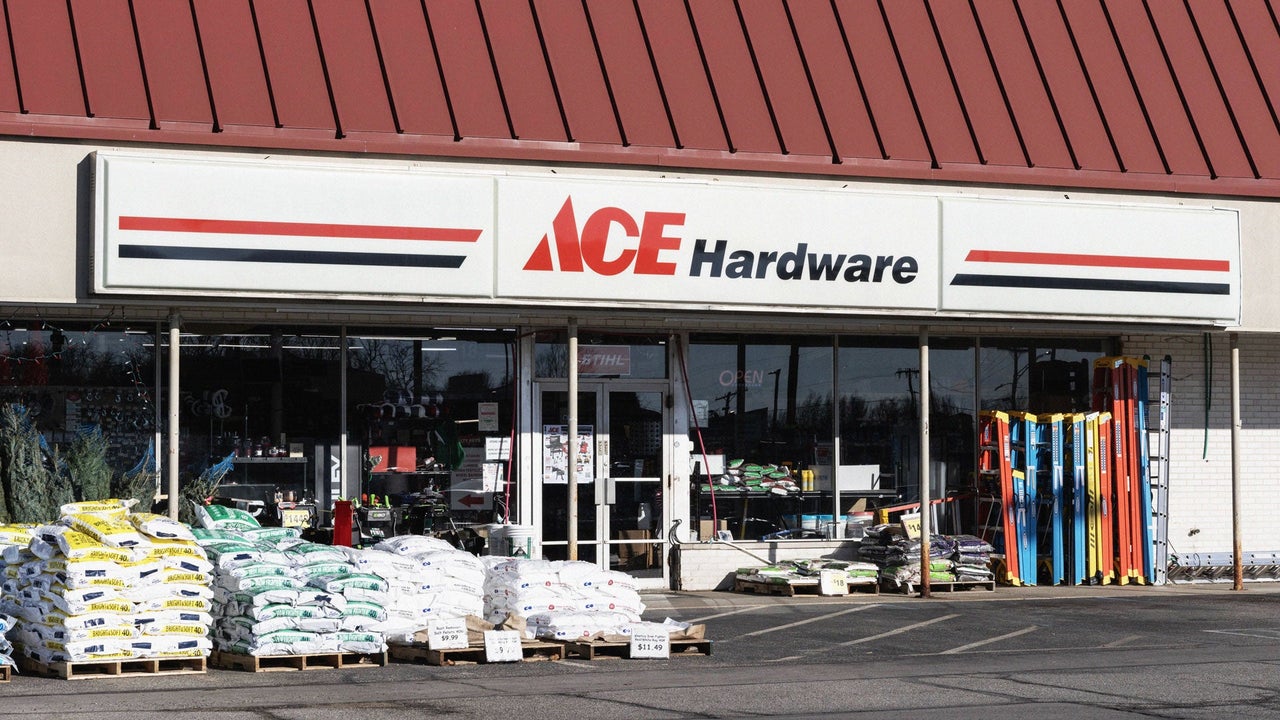
Ace Hardware is experiencing record growth, yet several of its established stores are slated for closure in 2026. This situation arises from Ace Hardware's operational model, where nearly 5,300 locations across the United States are independently owned and operated, functioning as a retailer-owned cooperative rather than a traditional franchise. This decentralized structure allows each store to tailor its inventory and size to its specific neighborhood, as explained by Ace Hardware owner-operator Jeff Smith to Inc. Individual owners often incorporate local identifiers into their store names, such as city names, neighborhood landmarks, or family names, to foster a strong community connection. While these stores leverage the Ace Hardware cooperative for essential back-end support, including supply chains and inventory management, they maintain distinct local identities. Christina Lindley, founder and CEO of VPRG Consulting, highlighted the benefits of this cooperative model, noting that Ace provides shared resources in purchasing, distribution, marketing, training, and technology. This shared infrastructure spares individual owners the burden of developing these systems independently. Lindley cited Ace's partnership with Instacart as a prime example of how national-scale initiatives can bolster local businesses, enabling neighborhood stores to reach customers through existing platforms without the need to build their own delivery services. However, the independent nature of ownership also presents significant challenges. Lindley pointed out that critical aspects such as staffing, inventory management, maintaining sufficient cash reserves, and succession planning fall entirely on the shoulders of each individual operator. She cautioned against interpreting store openings as a direct reflection of overall consumer demand. Lindley referenced Ace's second-quarter financial results, which indicated a 1.1% increase in same-store sales. Concurrently, however, the number of transactions across reporting U.S. stores declined by 1.9%. This divergence suggests that while the overall value of sales may be increasing, potentially due to price inflation or larger purchases, the volume of customer traffic is decreasing. This trend could be a contributing factor to the closures of some locations, as fewer transactions may not sustain the operational costs for independent owners, even with the support of the Ace Hardware cooperative and its strategic partnerships. The specific list of closing locations has not been publicly detailed, but the trend indicates a complex interplay between the cooperative's national strengths and the localized challenges faced by its independent owners.
Original source — read the full reporting at the publisher:
Read on Fast CompanyGet the weekly AI digest
AI news + new model releases, weekly. Drafted by our agents, reviewed by humans.