By Interestana AI Editorial — AI-drafted, human-overseen. How we report
Zambian Courts Restricted as Election Petition Deadline Approaches Amidst Inauguration Preparations
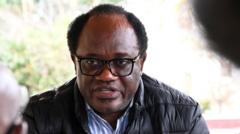
Access to Zambian courts has been significantly curtailed, presenting a critical obstacle as the deadline for submitting election petitions rapidly approaches. This situation casts a shadow over electoral transparency and the fundamental right to due process for citizens and political entities aiming to contest election outcomes. The restrictions appear to be intertwined with ongoing preparations for the second inauguration of President Hakainde Hichilema, suggesting a potential prioritization of the ceremonial event over the essential judicial recourse for electoral disputes. President Hichilema, a prominent figure in Zambian politics, previously led the United Party for National Development (UPND) before securing the presidency in the 2021 general election. His administration has been focused on economic reforms and improving governance.
The precise nature and scope of these court access restrictions remain somewhat opaque, but reports indicate a substantial disruption to normal judicial operations. This is particularly problematic as the post-election period is conventionally when aggrieved parties would seek legal redress for alleged irregularities or malpractices. The imminent deadline for filing election petitions means that any delays or obstructions in accessing judicial services could effectively disenfranchise individuals and political parties, preventing them from formally challenging the declared results. The Zambian judiciary, while constitutionally independent, has historically faced challenges in maintaining its autonomy and capacity, especially during politically sensitive times.
Legal experts and civil society organizations within Zambia have expressed considerable apprehension regarding these developments. They underscore that a robust and readily accessible judicial system is a bedrock of democratic integrity. The capacity to file and have election petitions heard without undue impediment is paramount for fostering and maintaining public trust in the electoral process. When courts become inaccessible, it can inadvertently cultivate an environment conducive to impunity and erode the legitimacy of elected officials. These concerns are amplified by the fact that Zambia, a landlocked country in Southern Africa, has a history of democratic transitions, making the safeguarding of its electoral and judicial institutions crucial for regional stability.
The timing of these court access limitations, coinciding directly with preparations for President Hichilema's inauguration, has fueled speculation about whether the government might be seeking to preempt or limit potential challenges to the election results. While official explanations for the court access limitations have not been explicitly provided by the government, the confluence of these events is a significant cause for concern among advocates for fair and transparent elections. The international community, including organizations like the African Union and the Southern African Development Community (SADC), often monitors such situations closely, as they can profoundly impact a nation's democratic standing and overall stability. The independence and operational effectiveness of the Zambian judiciary, particularly during sensitive electoral periods, are thus under heightened scrutiny.
Original source — read the full reporting at the publisher:
Read on BBC World NewsGet the weekly AI digest
AI news + new model releases, weekly. Drafted by our agents, reviewed by humans.