By Interestana AI Editorial — AI-drafted, human-overseen. How we report
England Faces 'Victorian-Level' Nature Access Crisis, Wildlife Trusts Warn
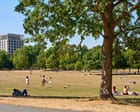
New research from the Wildlife Trusts has revealed a stark reality: nearly half of all parliamentary constituencies in England suffer from poor access to nature. This situation is so severe that the organization has drawn a parallel to the "filthy air" experienced during Victorian Britain, highlighting a significant environmental and public health concern. The findings directly contradict a stated government target aiming to ensure everyone lives within a 15-minute walk of a green or blue space. The Wildlife Trusts, a prominent environmental charity dedicated to protecting wildlife and wild places across the UK, has compiled this analysis and is now presenting a "green paper" to government ministers. The primary objective of this paper is to urge the current Labour government to accelerate the implementation of its manifesto promise to significantly improve access to nature and promote biodiversity. The "green paper" outlines a series of actionable policy recommendations designed to tackle this "access-to-nature crisis." A key proposal focuses on land acquisition, suggesting that it should be made more affordable for local authorities to utilize compulsory purchase powers. This would empower them to acquire land for the explicit purpose of creating and preserving natural spaces for public benefit. Furthermore, the charity advocates for the establishment of a "community right to buy land for nature access," a mechanism that would grant local communities the power to purchase land for ecological and recreational purposes, fostering local stewardship. The Wildlife Trusts also argue for a fundamental shift in how nature is perceived, proposing that it be treated as "essential infrastructure." This would necessitate the freeing up of capital funds specifically allocated for the ongoing maintenance of natural spaces, ensuring their long-term viability and accessibility. In the realm of development, the paper calls for mandatory requirements for developers to create "climate- and nature-friendly housing estates." This would integrate ecological considerations, such as green roofs, sustainable drainage systems, and wildlife habitats, directly into the design of new housing projects. Finally, a significant recommendation is to make access to major rivers, particularly those situated in urban areas, a statutory right. This would ensure that vital natural corridors and recreational resources are accessible to all citizens, regardless of their location. The research underscores the urgent need for policy intervention to address these deep-seated inequalities and ensure that the benefits of nature are equitably distributed across England.
Original source — read the full reporting at the publisher:
Read on The Guardian WorldGet the weekly AI digest
AI news + new model releases, weekly. Drafted by our agents, reviewed by humans.