By Interestana AI Editorial — AI-drafted, human-overseen. How we report
Abdul El-Sayed Overcomes Spending Deficit, Faces 9/11 Slander
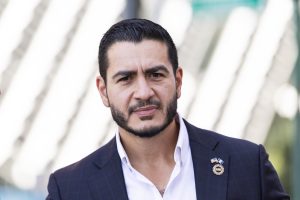
Abdul El-Sayed secured a narrow victory in Michigan's Democratic primary for the U.S. Senate, defeating Rep. Haley Stevens by approximately 15,000 votes, which represented about 1% of the nearly 1.5 million ballots cast on August 4, 2026. Throughout his primary campaign, El-Sayed consistently employed a populist message, which he described to The New York Times as easily understandable by voters: "I can walk into almost any room, and I can say: ‘Money out of?’ and everybody’s like: ‘Politics.’ ‘Money in your?’ ‘Pocket.’ ‘Medicare for?’ ‘All.’ People know what we’re about." El-Sayed, who previously served as the director of the Department of Health, Human and Veterans Services of Wayne County, must now pivot his focus and messaging towards the general election campaign against Republican Mike Rogers. This shift is particularly significant as control of the U.S. Senate is at stake, with Republicans currently holding a three-seat majority and Democrats aiming to gain four seats to secure control. The election was notably expensive, ranking as the third-most costly on record and the second-most expensive of the year, trailing only the Texas Senate primary. Advertising expenditures for the Michigan Senate Democratic primary race reached nearly US$81 million by the end of July. However, this spending was heavily skewed, with $63.9 million supporting Haley Stevens, largely from out-of-state sources, compared to $7.3 million supporting El-Sayed, creating a 9-to-1 spending disparity in Stevens' favor. Approximately 97% of Stevens' advertising placements were reportedly funded by outside groups. El-Sayed's primary campaign strategy positioned him as a progressive outsider challenging a moderate insider, Haley Stevens. He aimed to build a winning coalition by appealing to specific demographics within the Democratic electorate. The general election presents a different set of challenges, requiring El-Sayed to contend with a Republican opponent possessing prior campaign and governing experience, and importantly, the endorsement of President Donald Trump. The race is expected to be historically expensive, reflecting the high stakes for both parties in controlling the Senate. El-Sayed's campaign has also been targeted with slanderous attacks, including accusations related to 9/11, a tactic that political scientists who study campaigns, such as the author of the original piece, recognize as a common, albeit often divisive, campaign tactic. The author, a political scientist residing and teaching in Michigan, analyzes these campaign dynamics from a local and national perspective.
Original source — read the full reporting at the publisher:
Read on FortuneGet the weekly AI digest
AI news + new model releases, weekly. Drafted by our agents, reviewed by humans.