By Interestana AI Editorial — AI-drafted, human-overseen. How we report
Abdul El-Sayed Fuses Toxic Ideologies
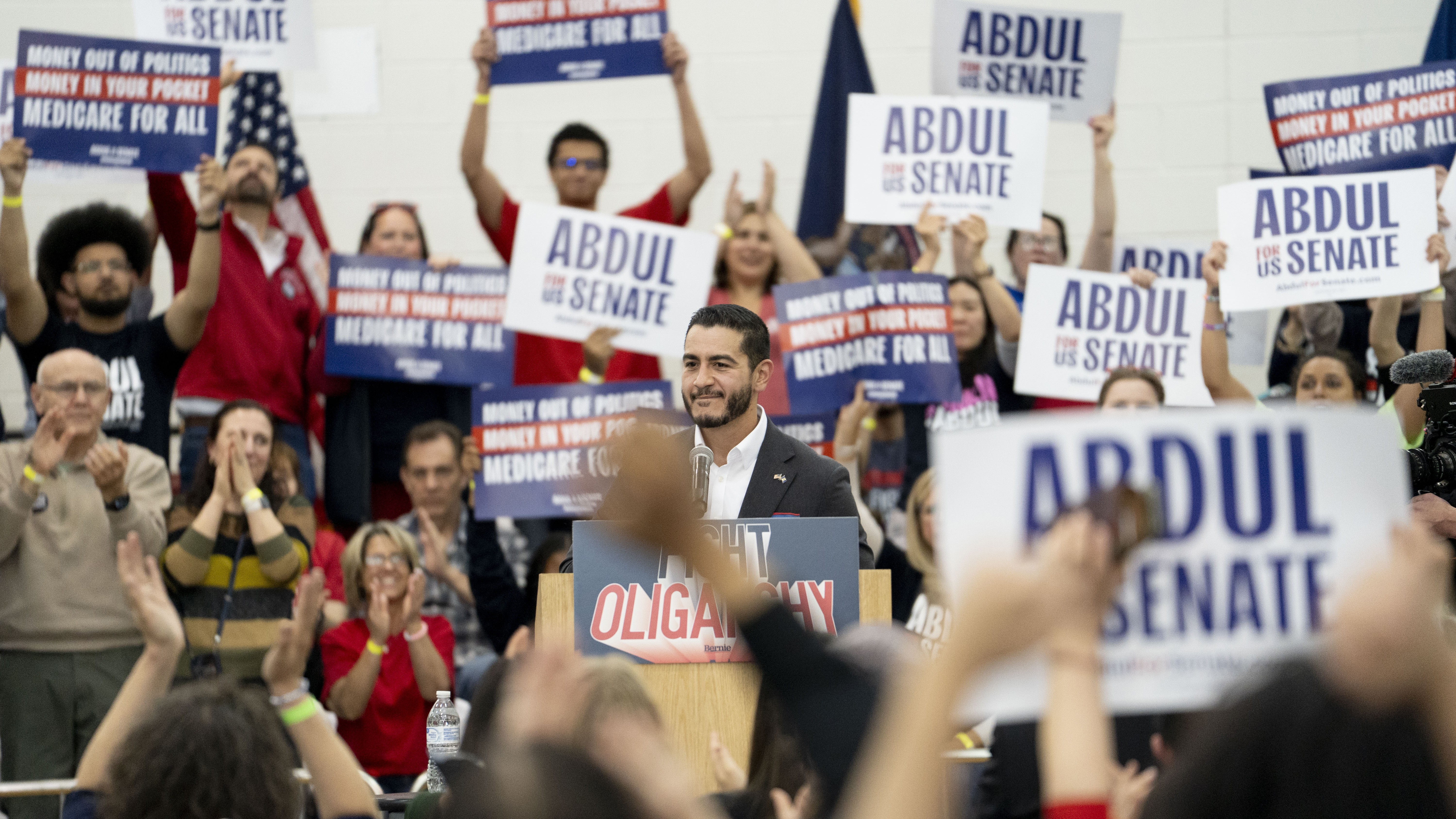
Abdul El-Sayed's discourse on the Israel lobby has drawn criticism for its alignment with his broader political rhetoric, a fusion that critics deem problematic. This approach, according to commentary, mirrors how he addresses nearly any other political issue, suggesting a consistent, and potentially concerning, rhetorical strategy. The concern arises from the perceived conflation of distinct political discussions into a singular, often charged, ideological framework. This method of framing political topics, particularly sensitive ones like the Israel lobby, can lead to oversimplification and the creation of what are described as "toxic ideologies." The commentary suggests that El-Sayed's consistent application of this tactic across various political subjects indicates a deliberate or ingrained rhetorical pattern. This pattern, when applied to issues with significant historical and geopolitical weight, risks reducing complex realities to easily digestible but potentially harmful narratives. The critique implies that by treating the Israel lobby with the same rhetorical tools used for more common political debates, El-Sayed may be inadvertently or intentionally creating a more volatile and less nuanced public understanding of the issue. The core of the criticism lies in the perceived lack of differentiation in his approach, leading to a homogenization of political discourse that can be detrimental to informed public debate. The author posits that this fusion of ideologies, particularly when applied to foreign policy or specific interest groups, can foster an environment where distinct issues are viewed through a single, often biased, lens. This can obscure the unique historical contexts, political dynamics, and diverse perspectives associated with each issue. The commentary highlights that the problem is not necessarily the specific points El-Sayed makes about the Israel lobby, but rather the manner in which he integrates it into his wider political messaging, potentially lending it an unwarranted or misleading association with other, unrelated political struggles. This rhetorical technique, if consistently employed, could contribute to a broader trend of ideological entanglement, where disparate political concerns are bundled together, making it harder for audiences to engage with each issue on its own merits. The author's central argument is that El-Sayed's consistent rhetorical strategy, particularly his treatment of the Israel lobby, represents a problematic fusion of distinct political discussions into a singular, potentially harmful, ideological narrative. This approach, by applying a uniform rhetorical style to diverse political topics, risks oversimplifying complex issues and fostering a climate of ideological rigidity. The commentary implies that this method of political communication, while perhaps effective in rallying a specific base, ultimately hinders nuanced understanding and constructive dialogue on critical subjects.
Original source — read the full reporting at the publisher:
Read on The AtlanticGet the weekly AI digest
AI news + new model releases, weekly. Drafted by our agents, reviewed by humans.