By Interestana AI Editorial — AI-drafted, human-overseen. How we report
AAUP Wins Legal Battle Against EEOC Over Penn Case
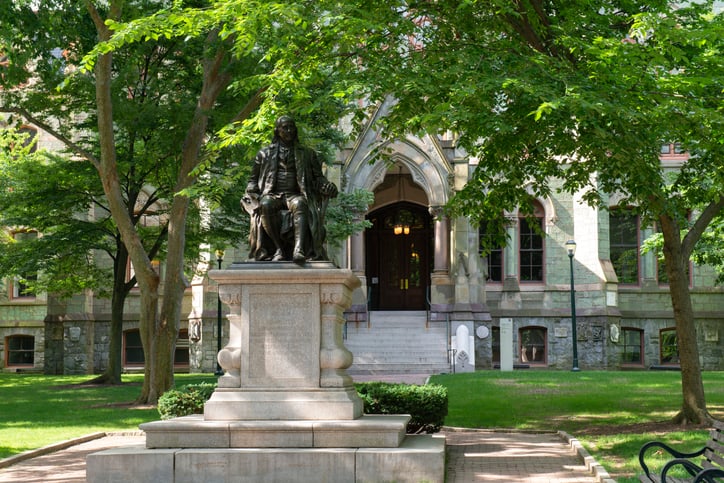
The American Association of University Professors (AAUP) secured a significant legal victory against the Equal Employment Opportunity Commission (EEOC) concerning a case involving the University of Pennsylvania. An appellate court's decision, rendered on October 7, 2026, found in favor of the AAUP, potentially setting a precedent for how similar demands for employee information are handled in the future. The AAUP stated that this appellate court decision could provide assistance to other institutions that might encounter comparable requests for data pertaining to Jewish employees. This ruling addresses a critical intersection of academic freedom, institutional autonomy, and federal oversight in the context of workplace discrimination investigations. The case originated from an EEOC inquiry that sought extensive information from the University of Pennsylvania, prompting the AAUP to intervene on behalf of academic freedom and institutional privacy. The specifics of the EEOC's original demands and the exact nature of the information sought have been central to the legal proceedings. The appellate court's judgment clarifies the boundaries of the EEOC's investigative powers when dealing with academic institutions, particularly concerning sensitive employee demographics. The AAUP, a national organization representing faculty and academic professionals, has consistently advocated for the protection of academic freedom and the rights of university employees. Their involvement in this case underscores their commitment to ensuring that institutional autonomy is respected while also upholding principles of equal opportunity and non-discrimination. The implications of this ruling extend beyond the immediate parties involved, offering guidance to universities nationwide grappling with the complexities of federal investigations and data disclosure requirements. The decision may influence how future investigations are conducted and how institutions respond to information requests, particularly those that could inadvertently lead to the identification or singling out of specific employee groups. The AAUP's legal team emphasized that the victory is not about shielding institutions from accountability but about ensuring that investigations are conducted in a manner that respects established legal frameworks and protects the rights of all parties involved. The appellate court's reasoning, which is expected to be detailed in its written opinion, will likely focus on the scope of the EEOC's authority and the specific circumstances of the University of Pennsylvania case. This legal development is being closely watched by higher education leaders, legal experts, and civil rights advocates alike, as it could shape the landscape of federal oversight in academic settings for years to come. The AAUP's success in this appellate challenge highlights the ongoing efforts by academic organizations to navigate the evolving legal and regulatory environment impacting universities.
Original source — read the full reporting at the publisher:
Read on Inside Higher EdGet the weekly AI digest
AI news + new model releases, weekly. Drafted by our agents, reviewed by humans.