By Interestana AI Editorial — AI-drafted, human-overseen. How we report
Trump's Policies Drive Up Costs for American Businesses, Harming Fair Competition
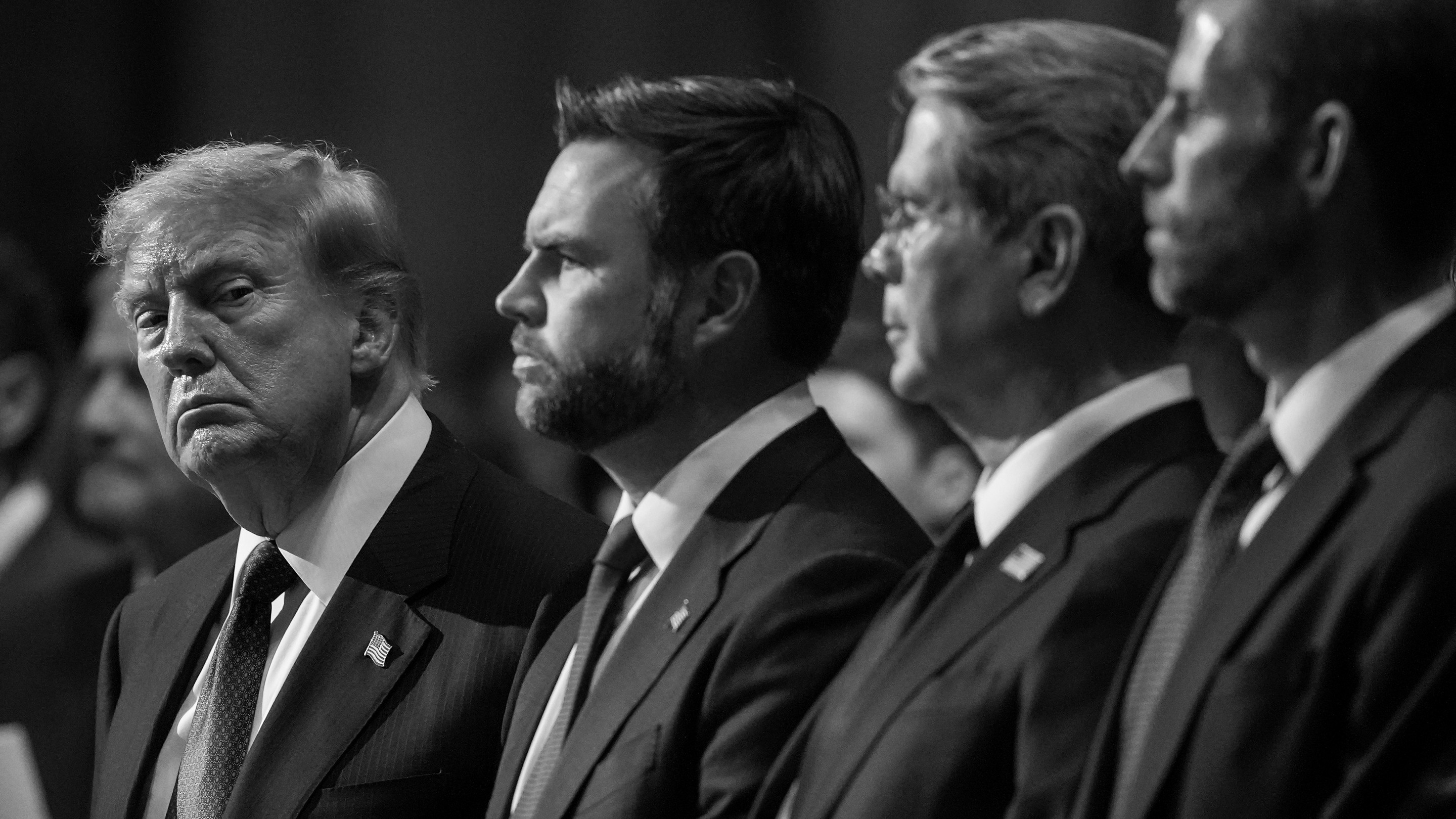
Former President Donald Trump's recent policy decisions have demonstrably increased the cost of doing business for companies operating within the United States, creating a more challenging economic landscape. These escalations in expenses affect a wide spectrum of enterprises, from nascent startups to established multinational corporations, by introducing novel financial pressures and complicating long-term strategic planning. The specific measures, which likely encompass changes in trade policy, regulatory enforcement, and tax structures, have resulted in a tangible rise in operational overheads. This increase in expenses can act as a significant deterrent to new investment and expansion, as businesses become more risk-averse in an unpredictable environment.
The multifaceted impact of these increased costs is evident across various business functions. Companies are now contending with higher expenditures related to regulatory compliance, which can involve navigating complex new rules or increased scrutiny. Furthermore, shifts in trade policy, such as the imposition of tariffs or the renegotiation of trade agreements, directly impact the cost of imported goods and raw materials, as well as the competitiveness of U.S. exports. These factors collectively contribute to a less predictable economic environment, compelling businesses to meticulously re-evaluate their budgets, profit margins, and supply chain resilience. The ripple effect of these additional costs is also likely to be felt by consumers, as businesses may be forced to pass on these increased expenditures, potentially contributing to inflationary pressures and reducing consumer purchasing power.
Beyond immediate financial implications, the increased financial strain can significantly limit a company's capacity for crucial activities such as innovation, research and development, and market expansion. This can lead to a slowdown in overall economic growth and a reduction in job creation. Analysis of the situation suggests that the changes implemented have fostered a less favorable climate for honest and transparent business practices. The added financial burdens can inadvertently incentivize less scrupulous methods of operation or lead to a reduction in the overall quality of goods and services as companies desperately seek avenues to cut costs. This environment can disproportionately affect smaller businesses, which often lack the substantial financial reserves and economies of scale to absorb significant financial shocks, potentially leading to market consolidation and a reduction in overall competition.
The long-term consequences of these elevated business costs are a subject of considerable concern among economists and industry leaders. They are closely monitoring the situation to assess the full extent of the economic impact. The current trend suggests a pressing need for policy adjustments that could alleviate these pressures and restore a more stable, predictable, and equitable operating environment for businesses. Without such strategic interventions, the increased cost of doing business under these conditions could continue to stifle economic activity, hinder innovation, and ultimately undermine the competitiveness of American industries on the global stage.
Original source — read the full reporting at the publisher:
Read on The AtlanticGet the weekly AI digest
AI news + new model releases, weekly. Drafted by our agents, reviewed by humans.