By Interestana AI Editorial — AI-drafted, human-overseen. How we report
US and Iran Engage in Assassination Conflict
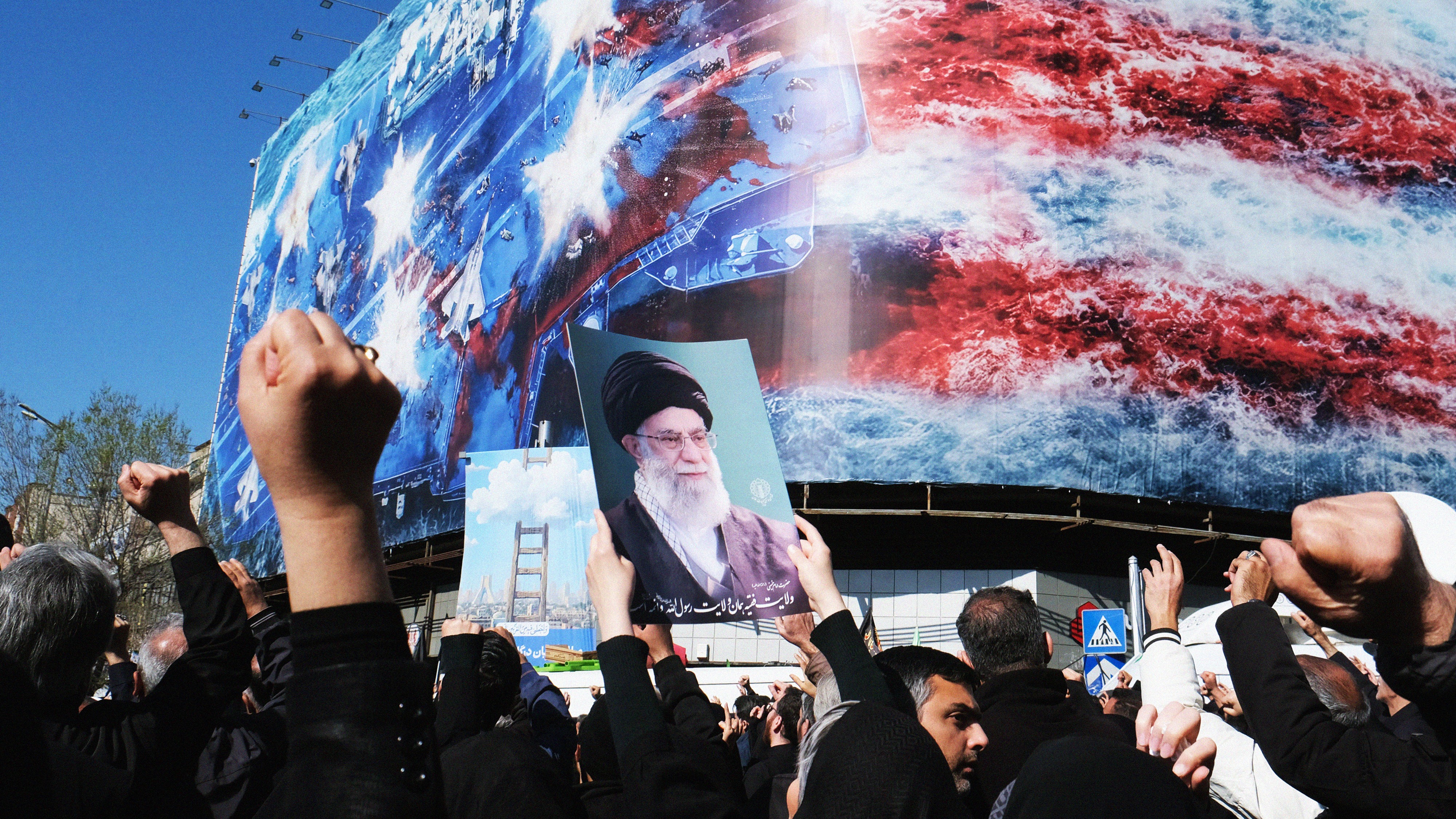
The United States and Iran are currently engaged in a conflict that, while massive in its regional implications, is deeply personal in its execution, primarily through a strategy of assassinations. This clandestine warfare has escalated tensions and contributed to a volatile geopolitical landscape, particularly within the Middle East. The nature of this conflict involves targeted killings aimed at disrupting opposing leadership, intelligence networks, and operational capabilities, rather than overt, large-scale military confrontations. Such tactics are designed to inflict significant damage while maintaining a degree of plausible deniability or operating below the threshold of direct, declared warfare, thereby complicating international responses and diplomatic efforts.
The strategic use of assassinations by both nations signifies a shift towards asymmetric warfare, where direct confrontation is avoided in favor of precision strikes against key individuals or assets. This approach allows for the projection of power and influence without incurring the full costs and risks associated with conventional warfare. For Iran, such tactics have historically been a tool to counter superior conventional military forces, enabling them to project power and influence through proxy groups and covert operations. For the United States, while less historically common as a primary strategy, targeted killings have been employed in counter-terrorism operations and to neutralize specific threats to national security interests.
The implications of this assassination-driven conflict are far-reaching. It fuels regional instability, exacerbates existing rivalries, and increases the risk of broader escalation. The targeting of individuals, often with significant political or military roles, can create power vacuums, lead to retaliatory strikes, and further entrench adversarial positions. This dynamic makes de-escalation and diplomatic resolution exceedingly difficult, as trust erodes and the cycle of violence becomes self-perpetuating. The international community faces challenges in addressing such a conflict, as the covert nature of the operations makes attribution and accountability complex, hindering the application of traditional diplomatic or economic sanctions.
Furthermore, the personal nature of these assassinations means that the conflict is not just between states but also involves the deliberate targeting of individuals, often with profound personal and familial consequences. This human element adds a layer of intensity and animosity to the conflict, making reconciliation even more challenging. The ongoing nature of these targeted killings suggests a long-term strategy by both the U.S. and Iran to weaken each other's capacity and resolve, contributing to a protracted period of heightened tension and potential for further violence in the region. The effectiveness and long-term consequences of this strategy remain subjects of ongoing analysis and concern for global security.
Original source — read the full reporting at the publisher:
Read on The AtlanticGet the weekly AI digest
AI news + new model releases, weekly. Drafted by our agents, reviewed by humans.