By Interestana AI Editorial — AI-drafted, human-overseen. How we report
Nolan's Odyssey Explores Deceit and Violence
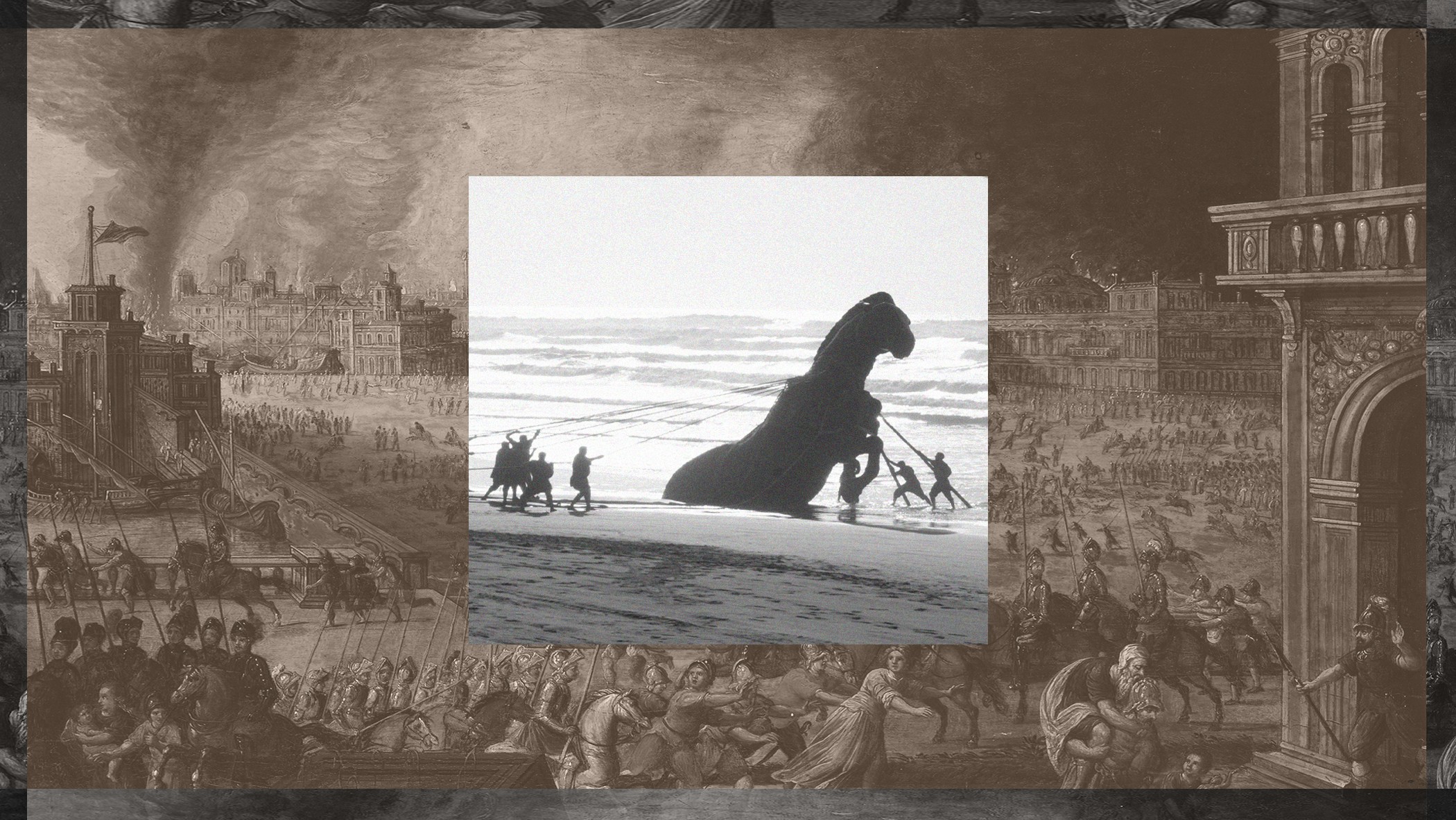
Christopher Nolan's film "Odyssey" is characterized by inherent contradictions, particularly concerning the pervasive themes of deceit and violence that permeate its narrative. The film presents a complex exploration of these concepts, challenging audiences to question the nature of truth and the motivations behind human actions. Nolan, known for his intricate plot structures and philosophical undertones, appears to utilize the concept of a Trojan Horse as a central metaphor, suggesting that appearances can be profoundly deceiving and that hidden intentions often drive events. This metaphor implies that what seems like a gift or a straightforward situation may, in fact, harbor a destructive or manipulative element, mirroring the ancient Greek story of the Trojan War.
The film's engagement with violence is not merely gratuitous but serves as a critical component in its thematic development. It probes the justifications for violence, its consequences, and its role in achieving objectives, whether they be personal, political, or existential. The contradictions within the film likely arise from the tension between the characters' stated intentions and their actual deeds, or between the perceived reality of the situation and its underlying truth. This creates a disorienting yet compelling viewing experience, forcing viewers to actively piece together the fragmented narrative and interpret the ambiguous motivations of the characters. Nolan's directorial style often involves non-linear storytelling and unreliable narration, techniques that would amplify the exploration of deceit and the subjective nature of perception.
"Odyssey" seems to position itself as a film that interrogates the very foundations of trust and belief. By embedding the idea of a Trojan Horse within its thematic framework, Nolan suggests that entities, ideas, or even individuals can be instruments of hidden agendas. This could manifest in various ways within the film's plot, such as a character who appears benevolent but harbors malicious intent, or a seemingly advantageous opportunity that ultimately leads to ruin. The film's exploration of violence in conjunction with deceit suggests a commentary on how power is wielded and how conflicts are initiated and sustained, often through manipulation and misdirection. The contradictions are not presented as flaws but as deliberate narrative devices designed to reflect the messy and often paradoxical nature of human behavior and societal structures.
The critical reception or audience interpretation of "Odyssey" would likely hinge on its success in weaving these complex themes into a cohesive and thought-provoking cinematic experience. Nolan's ambition to tackle such profound subjects as deceit, violence, and the nature of truth, all under the symbolic umbrella of a Trojan Horse, positions "Odyssey" as a potentially significant work in his filmography. The film's success would be measured by its ability to provoke discussion and contemplation on these enduring human dilemmas, leaving a lasting impression on viewers long after the credits roll. The inherent contradictions are likely the engine driving this contemplation, forcing a deeper engagement with the film's underlying messages.
Original source — read the full reporting at the publisher:
Read on The AtlanticGet the weekly AI digest
AI news + new model releases, weekly. Drafted by our agents, reviewed by humans.