By Interestana AI Editorial — AI-drafted, human-overseen. How we report
Brazil Paves Amazon Highway, Sparking Environmental Debate
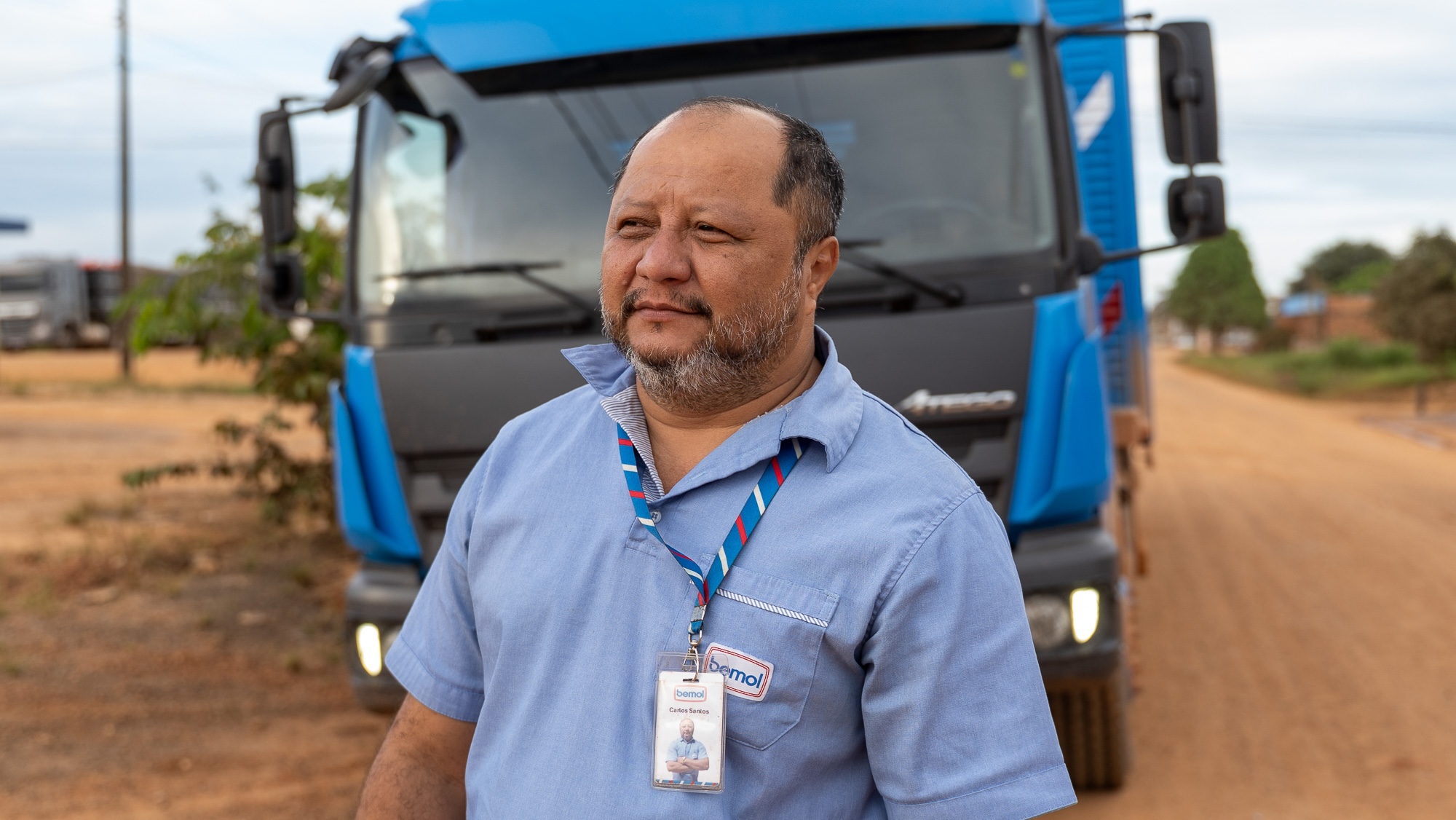
The BR-319, a 540-mile hazardous dirt highway traversing a critical section of the Brazilian Amazon rainforest, is undergoing a significant transformation as sections are being asphalted, with plans to pave the entire route moving forward. This development, long demanded by residents of the Amazonas state who cite their isolation as a hindrance to economic progress, has ignited a contentious debate between proponents of development and environmentalists. Truck driver Carlos Santos, who has navigated the BR-319 for much of his career, described the route as a "survival test in the jungle," recounting instances where trips took up to 22 days due to impassable mud pools caused by unexpected rains. Santos's experiences highlight the extreme challenges of traversing the road, including rationing food and water, and encountering wildlife such as jaguars, tapirs, and snakes. He also detailed the arduous process of digging vehicles out of ditches and waiting for heavy machinery to free mired trucks.
The BR-319 serves as the sole connection for the Amazonas state, a region with 4.2 million inhabitants and an area twice the size of Texas, to the rest of Brazil. Proponents of paving the highway, like Santos, argue that it is essential for economic development and to end the region's isolation. They question why Amazonas should be "forgotten" and denied the right to be connected to the rest of the country. However, scientists and environmental groups voice grave concerns, warning that paving the BR-319 will open up previously inaccessible areas of the Amazon to greater human activity. This increased accessibility is feared to exacerbate deforestation and biodiversity loss in one of the world's most ecologically sensitive regions. The highway passes through areas identified as crucial for conservation, and its full paving could lead to increased logging, agriculture, and illegal mining.
The project has faced decades of legal challenges and opposition from environmental organizations and regulators. Despite these hurdles, the current push to asphalt the road signifies a shift in priorities, potentially favoring economic expansion over stringent environmental protections. The Brazilian government's decision to proceed with paving the BR-319 underscores the complex balancing act between regional development needs and the urgent imperative to conserve the Amazon rainforest, a vital global ecosystem. The long-term consequences of this infrastructure project on the Amazon's delicate environment and its indigenous communities remain a subject of intense scrutiny and concern among scientists and conservationists worldwide. The fate of this critical section of the Amazon hinges on the ultimate success and impact of this ambitious paving project.
Original source — read the full reporting at the publisher:
Read on GristGet the weekly AI digest
AI news + new model releases, weekly. Drafted by our agents, reviewed by humans.