By Interestana AI Editorial — AI-drafted, human-overseen. How we report
Tesla Autopilot Engaged in Fatal NJ Stop Sign Crash
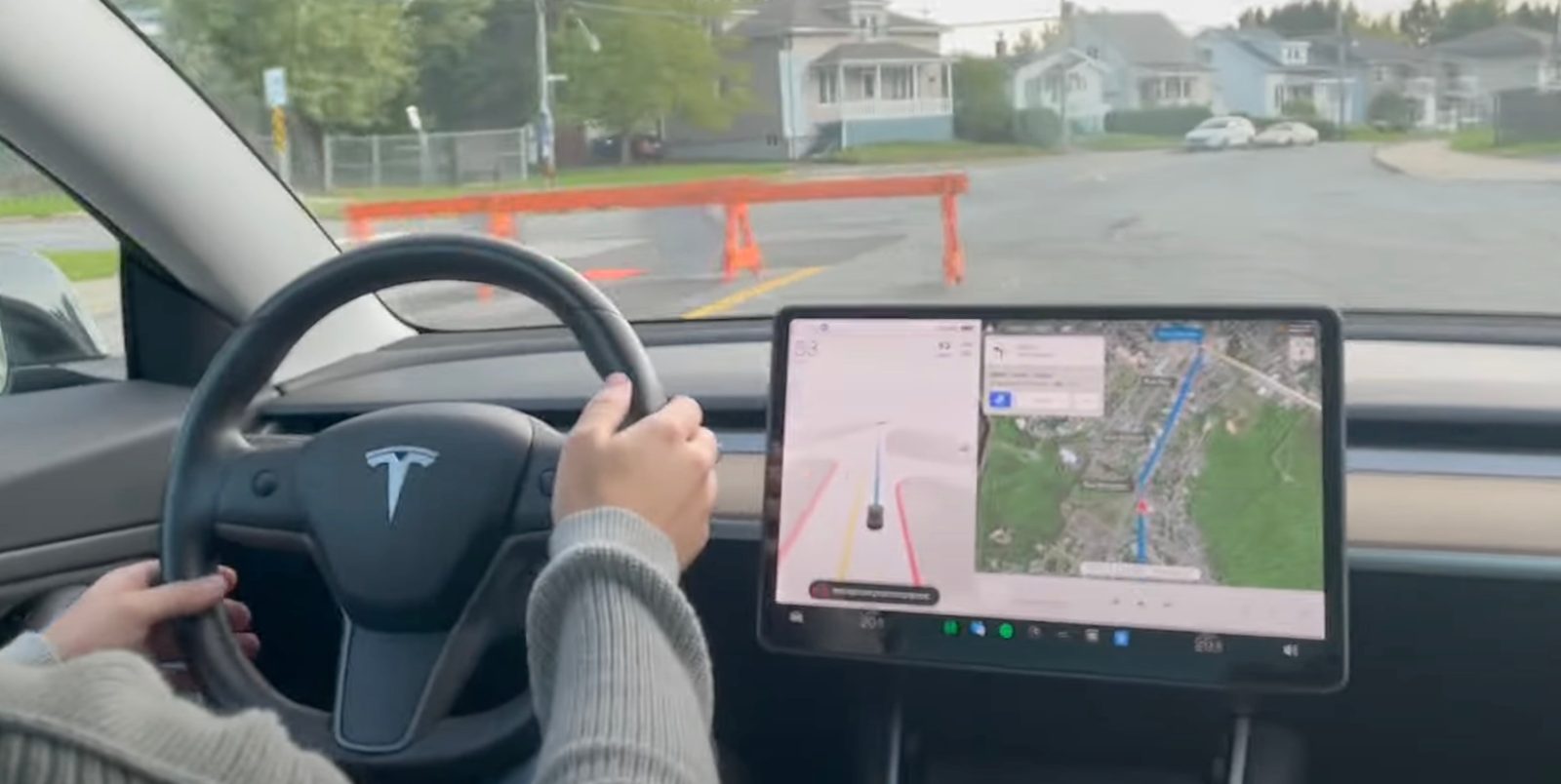
A Tesla Model 3 operating with its driver-assist system engaged ran a stop sign in Buena Vista Township, New Jersey, resulting in a fatal collision. The incident occurred when the Tesla failed to stop at an intersection and struck a Honda Civic that was making a left turn. The driver of the Honda Civic, identified as 82-year-old Stephen Field, sustained fatal injuries and was pronounced deceased at the scene. Police initially reported the incident as a failure to stop by the vehicle. However, subsequent analysis of Tesla's internal vehicle data, obtained through an ongoing Electrek investigation, revealed that the Autopilot or Full Self-Driving (FSD) system was active at the time of the crash. This finding contradicts the initial public reporting and highlights a critical detail about the vehicle's operational state during the fatal event. The investigation by Electrek aims to cross-reference publicly reported crashes involving Tesla vehicles with redacted data submitted by Tesla to the National Highway Traffic Safety Administration (NHTSA). This methodology seeks to uncover discrepancies and provide a more complete picture of incidents where Tesla's advanced driver-assistance systems (ADAS) may have been a factor. The specific data indicating the engagement of the driver-assist system was part of the vehicle's own logs, which are typically shared with NHTSA in a redacted format following accidents. The confirmation that the system was active during the crash is significant because it raises questions about the system's performance in specific scenarios, such as navigating intersections with stop signs. Tesla's Autopilot system is designed to assist drivers with steering, acceleration, and braking, but it requires active driver supervision. The engagement of such systems in crashes has been a subject of scrutiny and ongoing investigations by regulatory bodies and safety advocates worldwide. This particular incident in New Jersey adds to a growing body of evidence suggesting potential issues with the reliability and safety of ADAS technology in real-world driving conditions, especially when drivers may over-rely on the system. The investigation's focus on matching crash reports with NHTSA data suggests a pattern of potentially underreported or unclarified involvement of Tesla's driver-assist features in accidents. The implications of this finding extend to the broader discussion surrounding the safety and regulatory oversight of autonomous driving technologies and the responsibility of manufacturers in ensuring their systems operate as intended and safely under all foreseeable conditions. The confirmation of Autopilot's engagement in this fatal crash is a crucial piece of information that was not initially disclosed in public reports, underscoring the importance of thorough data analysis in accident investigations.
Original source — read the full reporting at the publisher:
Read on ElectrekGet the weekly AI digest
AI news + new model releases, weekly. Drafted by our agents, reviewed by humans.