By Interestana AI Editorial — AI-drafted, human-overseen. How we report
Senate Crypto Bill Vote Hinges on Trump Ethics Deal
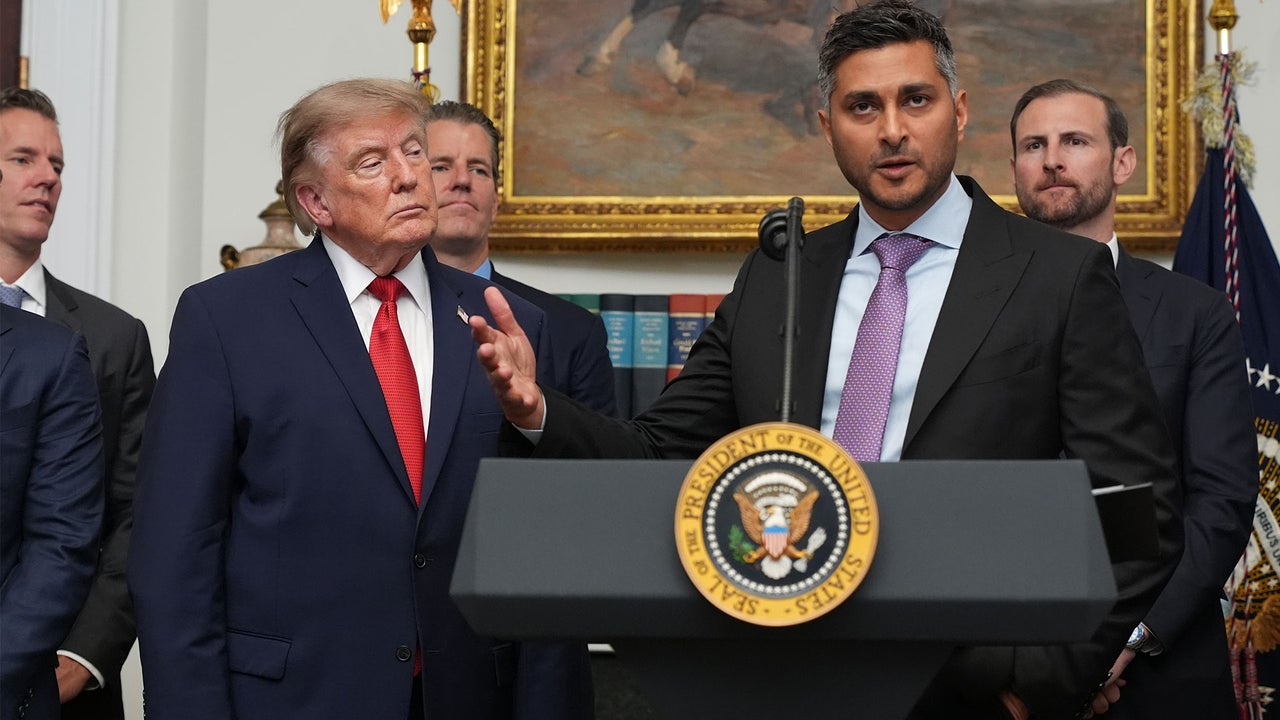
A pivotal Senate vote on a sweeping cryptocurrency bill is scheduled for Tuesday, potentially marking a watershed moment for the $2.3 trillion market, with its passage hinging on concessions made by former President Donald Trump regarding ethics provisions. For weeks, President Trump had been apprised of the necessity to agree to ethics stipulations that would also apply to him to ensure the bill's advancement. Initially, Trump assented to a measure designed to prevent him and his wife from issuing meme coins, a type of cryptocurrency they rapidly introduced as he prepared for a potential second term. A further concession was made late Sunday when Republicans announced Trump's agreement to a more stringent ethics proposal, a demand from several key senators. The outcome of Tuesday's vote could determine whether Washington formally legitimizes the cryptocurrency industry through legislation or if the industry, facing frustration and possessing substantial financial resources, escalates its campaign contributions in the upcoming midterm elections. Senator Cynthia Lummis, R-Wyo., the primary author of the crypto bill, stated to The Associated Press that voting against the Clarity Act would not be a principled stance against President Trump but rather a vote against implementing strict limitations on politicians concerning their cryptocurrency investments. The fate of the crypto bill is significantly tied to this ethics debate focused on President Trump. The president has accumulated considerable cryptocurrency wealth during his time in office, which has complicated the legislative efforts of senators aiming to integrate the nascent digital assets industry into the mainstream. In light of this, Senators Lummis and Bernie Moreno, R-Ohio, met with President Trump in mid-July at the White House. During this meeting, they informed Trump that he would need to adhere to conflict-of-interest restrictions to secure the support of key Democrats for the bill. According to two individuals familiar with the private discussions in the Oval Office, who spoke on condition of anonymity, the president agreed to these terms with surprisingly little resistance. The specific language presented during this meeting by Lummis, a long-time proponent of cryptocurrency regulation, was crucial in securing Trump's assent. The bill aims to establish a clearer regulatory framework for digital assets, addressing concerns about market manipulation, investor protection, and the integration of cryptocurrencies into the broader financial system. The cryptocurrency market, valued at approximately $2.3 trillion, has experienced significant growth and volatility, prompting calls for greater regulatory oversight. The proposed legislation seeks to strike a balance between fostering innovation and mitigating risks associated with digital currencies. The inclusion of ethics provisions targeting politicians reflects a broader concern about potential conflicts of interest and the influence of financial interests in policymaking. The success of this bill could set a precedent for future legislative approaches to emerging technologies and financial markets.
Original source — read the full reporting at the publisher:
Read on Fast CompanyGet the weekly AI digest
AI news + new model releases, weekly. Drafted by our agents, reviewed by humans.