Supreme Court Campaign Finance Ruling Offers Unexpected Benefits
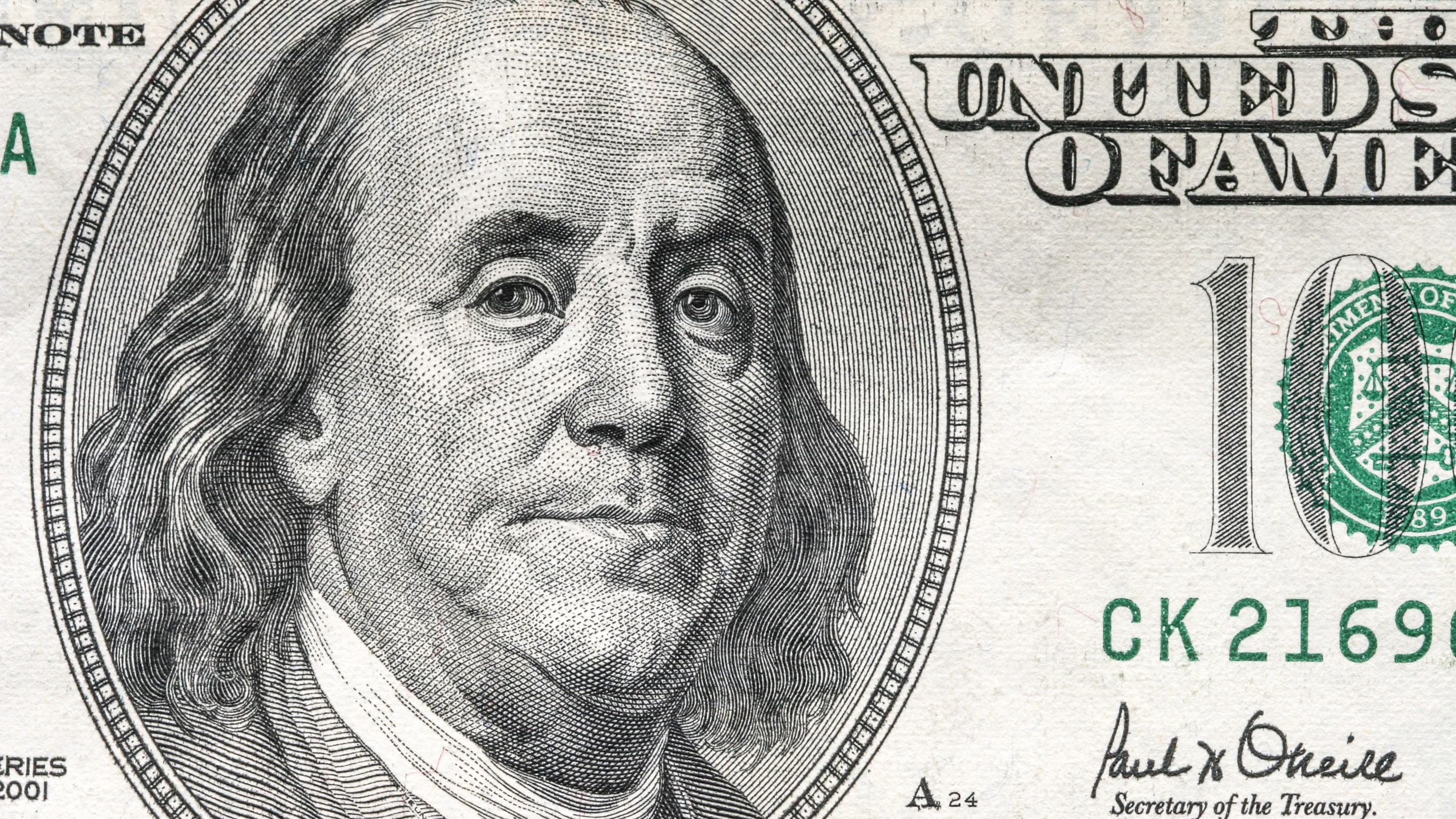
The Supreme Court's recent decision regarding campaign finance, specifically concerning the case of *John D. Fund v. Federal Election Commission*, has been met with mixed reactions. However, an analysis suggests the ruling, which clarified limits on certain types of political donations, could foster greater transparency and potentially reduce the influence of dark money in elections. The decision, handed down on March 15, 2024, addressed the aggregation of contributions from different sources to super PACs, a move that some critics argued would open the floodgates to unlimited spending.
Contrary to initial fears, the Court's majority opinion, authored by Justice Roberts, emphasized a commitment to disclosure requirements. The ruling mandates that organizations contributing to super PACs must disclose their donors, a provision intended to shed light on the origins of political funding. This increased transparency is seen by proponents as a crucial step in holding political actors accountable and informing voters about who is attempting to influence their decisions. The ruling did not, however, overturn previous decisions that allow for unlimited independent expenditures by outside groups.
Legal scholars, including those at the Brennan Center for Justice, have noted that while the decision does not fundamentally alter the landscape of campaign finance law established by *Citizens United*, it does introduce a significant new layer of disclosure. This could lead to a more informed public discourse about the financial backing of political campaigns. The Federal Election Commission (FEC) is expected to issue new guidelines in the coming months to implement the ruling, which could impact fundraising strategies for the 2024 election cycle and beyond.
While the long-term effects remain to be seen, the immediate impact of the *John D. Fund* decision appears to be a renewed focus on donor transparency. This could encourage a shift towards more direct and accountable forms of political engagement, potentially mitigating some of the concerns about undue influence from undisclosed financial interests in the political arena. The ruling underscores the ongoing debate about the balance between free speech, political spending, and the public's right to know.
Original source — read the full reporting at the publisher:
Read on The Atlantic