By Interestana AI Editorial — AI-drafted, human-overseen. How we report
El Niño Drives Quiet Atlantic, Intense Pacific Hurricane Seasons
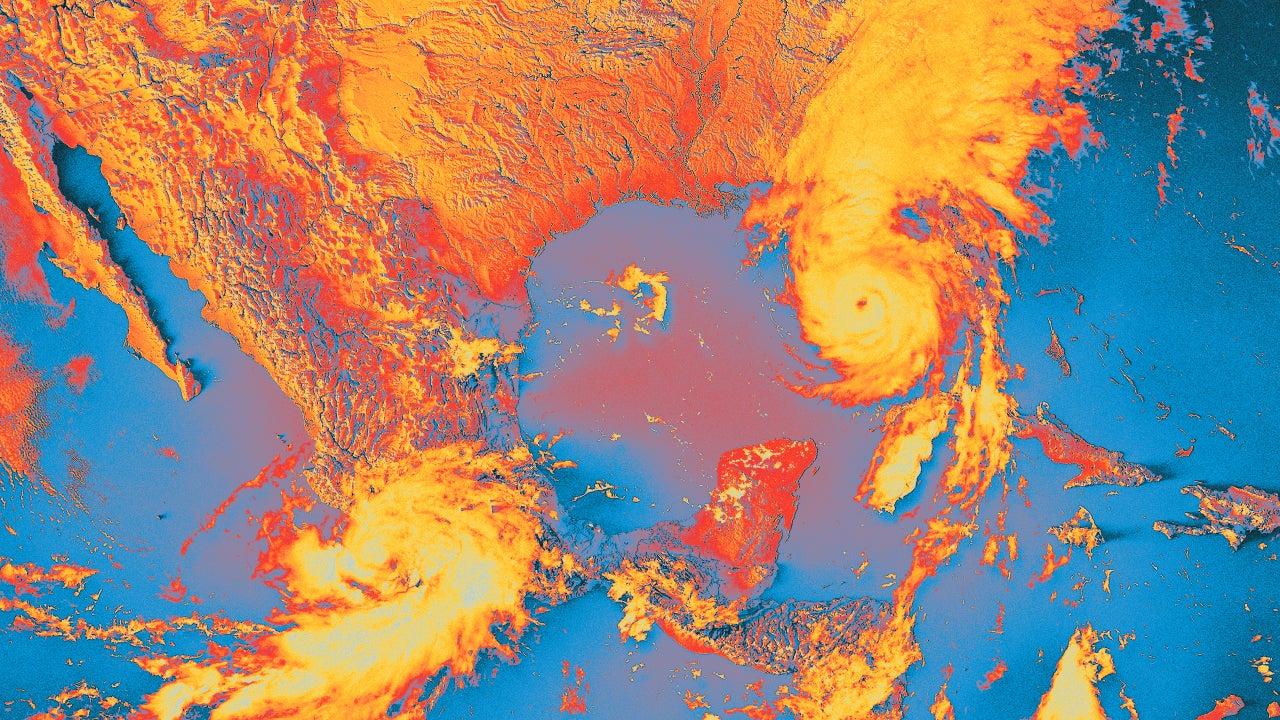
The Atlantic Ocean has experienced an unusually quiet hurricane season in 2024, with six named storms but none strengthening into hurricanes, a rarity not seen in decades. This contrasts sharply with the East Pacific, where Hurricane Polo rapidly intensified to become one of the most intense storms on record. These seemingly contradictory weather patterns are both influenced by a "Godzilla" Super El Niño, which experts predict will be one of the strongest in history. El Niño is a climate phenomenon characterized by the warming of sea surface temperatures in the central and eastern tropical Pacific Ocean. It significantly alters atmospheric circulation patterns globally, leading to amplified extreme weather events. While El Niño typically suppresses Atlantic hurricane activity by increasing wind shear, it can simultaneously enhance storm development in the Pacific. The Atlantic hurricane season officially runs from June 1 to November 30, with a typical peak around September 10. As of late September, the absence of any hurricanes in the Atlantic is highly unusual. On average, an Atlantic season produces 14 named storms, seven of which become hurricanes and three major hurricanes. By September 24, 2024, no hurricanes had formed in the Atlantic basin. Chad Merrill, a senior meteorologist with AccuWeather, noted that the latest occurrence of the first Atlantic hurricane in the last 100 years was September 21, 1941, a record that is being surpassed. The historical record for the latest first hurricane in the Atlantic basin was October 7, 1905. The formation of hurricanes requires specific conditions: warm ocean water, warm surface air that can rise and cool, and low wind shear, which refers to minimal changes in wind speed and direction with altitude. The presence of high wind shear, often associated with El Niño in the Atlantic, disrupts the vertical structure of developing tropical cyclones, preventing them from organizing and intensifying into hurricanes. Conversely, in the Pacific, El Niño can lead to conditions that favor hurricane development and intensification. The U.S. Geological Survey outlines these fundamental requirements for hurricane formation, emphasizing the critical role of atmospheric stability and oceanic heat content. The current El Niño event's strength and its specific atmospheric teleconnections are key factors in understanding the divergent hurricane activity observed across the two ocean basins this year. The implications of such a strong El Niño extend beyond hurricane seasons, influencing global temperature and precipitation patterns, and potentially exacerbating other extreme weather events such as droughts and floods in different regions.
Original source — read the full reporting at the publisher:
Read on Fast CompanyGet the weekly AI digest
AI news + new model releases, weekly. Drafted by our agents, reviewed by humans.