By Interestana AI Editorial — AI-drafted, human-overseen. How we report
SpaceX Rocket's Lunar Collision Signals Growing Space Debris Crisis
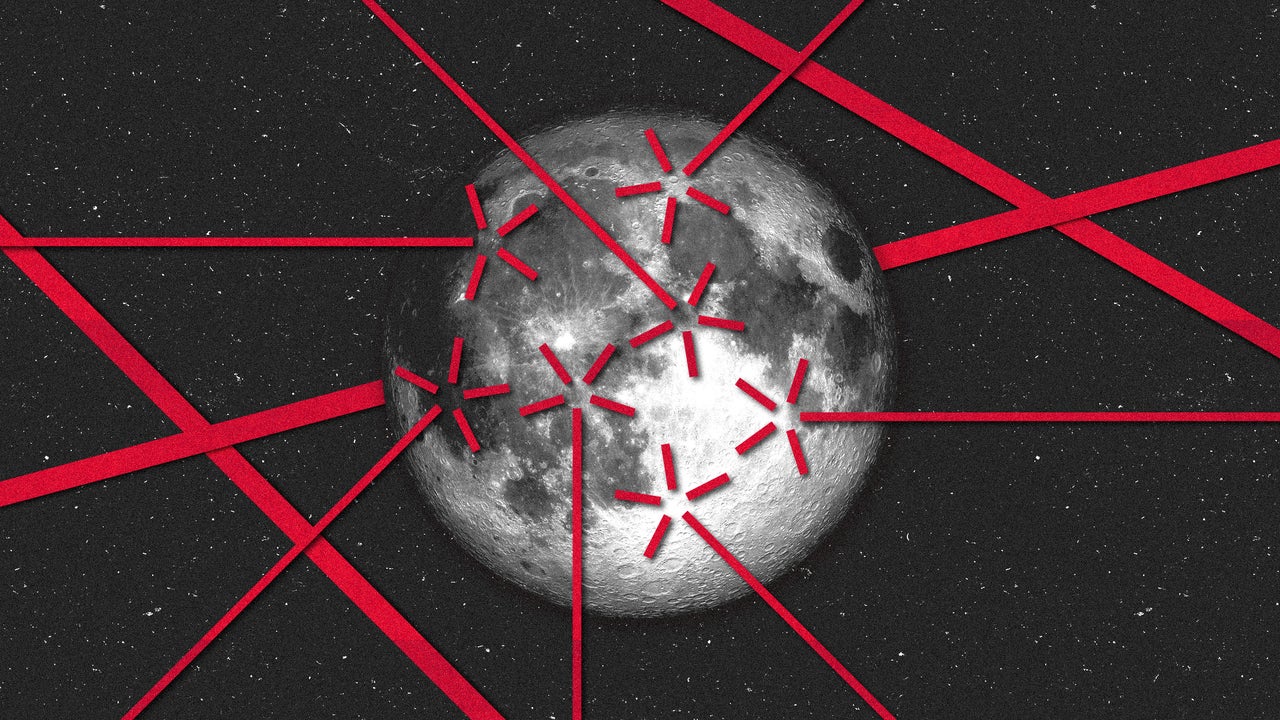
The upper stage of a SpaceX Falcon 9 rocket, a powerful launch vehicle developed by Elon Musk's aerospace company, is currently on a collision course with the Moon. This expendable component, measuring 45 feet in height and 12 feet in diameter, is projected to impact the lunar surface on Wednesday, creating a small crater and a plume of debris near Einstein Crater. While this specific event is not expected to cause harm, it serves as a critical warning about the escalating issue of space debris and the potential dangers it poses to future lunar activities.
Astrophysicist Jonathan McDowell, a prominent voice in space traffic management, has emphasized that while this particular impact is benign, similar scenarios could become problematic for long-term human presence on the Moon. He advocates for space organizations, including major players like SpaceX, Blue Origin, and entities in China, to proactively design their missions with safe disposal protocols for spent rocket stages. The current trajectory of the Falcon 9 upper stage, which was launched on January 15, 2025, from Launch Complex 39A at Florida's Kennedy Space Center, exemplifies a broader trend of leaving orbital hardware in "chaotic orbits" that can lead to unintended collisions.
The rocket's upper stage was part of a mission carrying two privately developed lunar landers. One was Firefly Aerospace's Blue Ghost, which achieved a significant milestone by completing the first fully successful lunar touchdown by a private spacecraft. The other was ispace's Resilience, which unfortunately was destroyed during its landing attempt. The fact that this upper stage was designed to be expendable, meaning it was not intended to return to Earth, underscores the common practice in current space missions.
This impending lunar impact occurs against the backdrop of a renewed and intensifying "space race" to the Moon. Both the United States and China are actively pursuing ambitious goals to establish lunar bases and initiate mining operations within the next several years. This burgeoning lunar economy is expected to involve extensive robotic exploration and astronaut crews, with substantial financial investments anticipated for the extraction of lunar resources. The safety and success of these future endeavors, including the protection of billions of dollars in infrastructure and human lives, are intrinsically linked to maintaining a predictable and debris-free orbital environment around the Moon. The current trajectory of the SpaceX rocket's upper stage serves as a stark, tangible reminder of the potential consequences of unchecked space debris accumulation in an era of rapidly expanding lunar exploration and commercialization, necessitating a fundamental shift towards responsible space stewardship.
Original source — read the full reporting at the publisher:
Read on Fast CompanyGet the weekly AI digest
AI news + new model releases, weekly. Drafted by our agents, reviewed by humans.