By Interestana AI Editorial — AI-drafted, human-overseen. How we report
Alzheimer’s Risk Predicted Years Before Symptoms
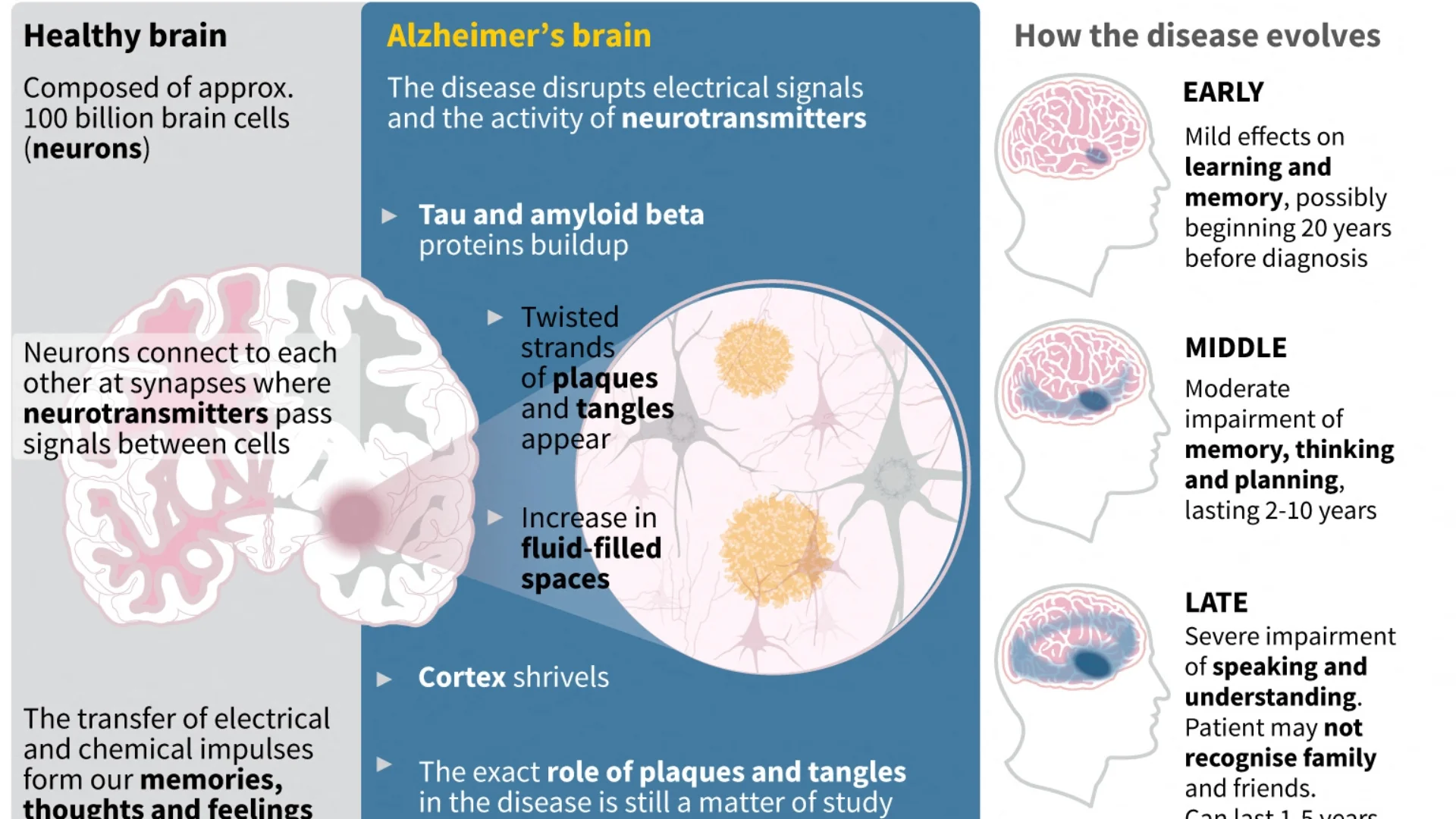
Researchers have identified elevated levels of two specific proteins in the cerebrospinal fluid (CSF) that can predict the onset of Alzheimer's disease and subsequent cognitive decline up to a decade before the first symptoms appear. This breakthrough, detailed in a study published this week, offers a potential method for early diagnosis and intervention.
The study focused on the proteins p-tau217 and p-tau181, which are known to be associated with the accumulation of amyloid plaques and tau tangles in the brain, hallmarks of Alzheimer's disease. By analyzing CSF samples from a cohort of individuals, scientists observed that significantly higher concentrations of these proteins correlated with a substantially increased risk of developing cognitive impairment years later. This predictive capability extends as far as 10 years prior to the manifestation of clinical symptoms such as memory loss and confusion.
This discovery holds significant implications for the future of Alzheimer's research and patient care. Current diagnostic methods often rely on symptom presentation, which occurs after substantial neurodegeneration has already taken place. The ability to identify individuals at high risk much earlier could pave the way for preventative treatments or lifestyle interventions aimed at slowing or halting disease progression. Further validation and development of less invasive testing methods, such as blood tests, are anticipated.
The research team emphasized that while these protein biomarkers are strong indicators, they are part of a broader understanding of Alzheimer's pathology. Future work will likely involve integrating these findings with other genetic and environmental risk factors to create comprehensive risk assessment tools. The ultimate goal is to enable proactive healthcare strategies that can significantly improve outcomes for individuals at risk of Alzheimer's disease.
Original source — read the full reporting at the publisher:
Read on Inc.Get the weekly AI digest
AI news + new model releases, weekly. Drafted by our agents, reviewed by humans.