By Interestana AI Editorial — AI-drafted, human-overseen. How we report
Venezuela Earthquake Survivors Faced Initial Isolation
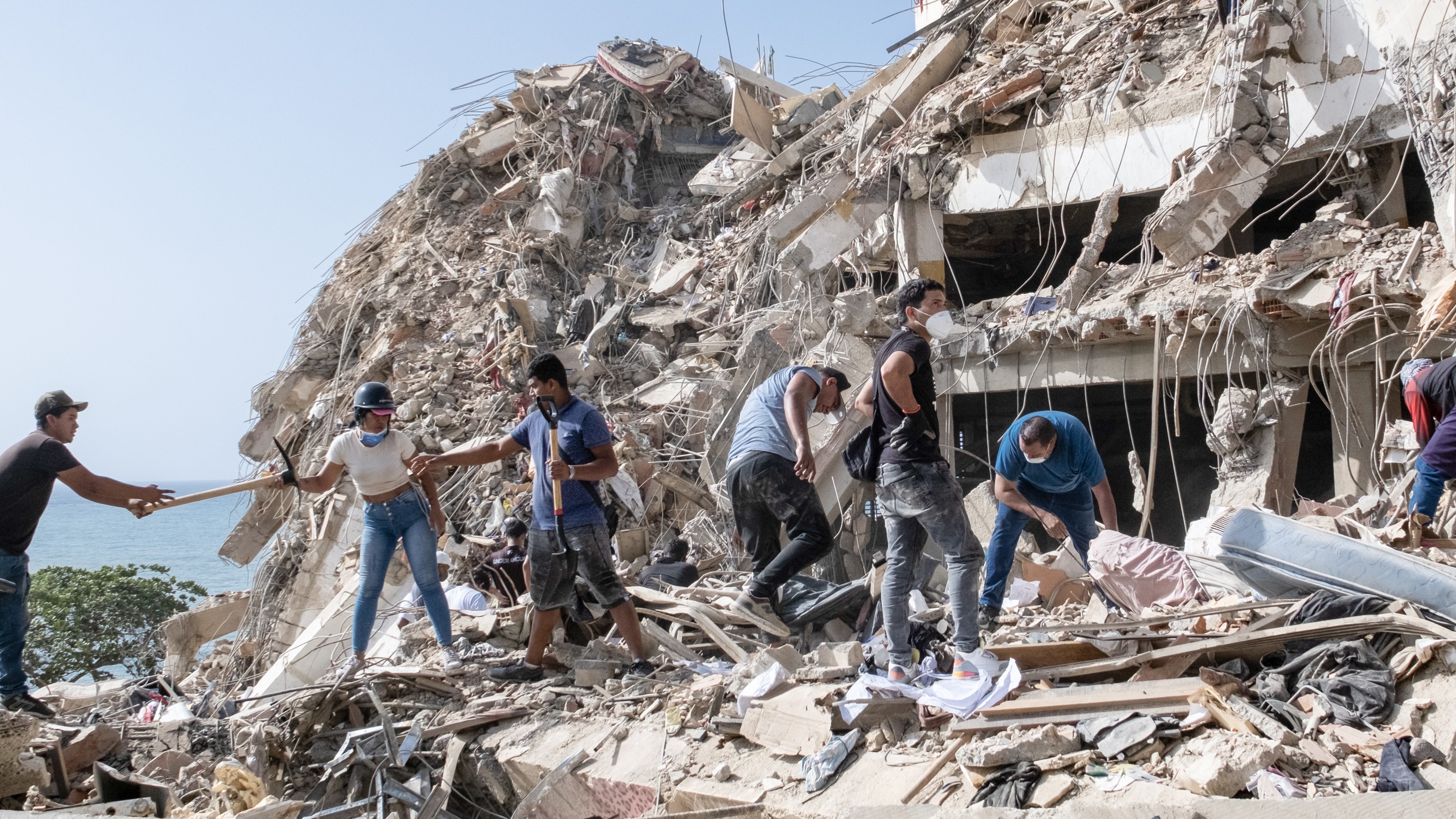
In the critical initial days following Venezuela's earthquake, communities situated nearest to the epicenter found themselves isolated and without immediate external assistance. Survivors were compelled to rely on their own resources and mutual support networks to navigate the immediate aftermath of the disaster. This period highlighted a significant gap in initial response capabilities for those most directly impacted.
The lack of swift external aid meant that individuals and families had to manage search and rescue efforts, provide medical attention, and secure basic necessities like food and water independently. The self-reliance demonstrated by these communities underscores the challenges faced when disaster strikes in remote or less accessible regions, where infrastructure for rapid deployment of emergency services may be limited. The experience of these survivors points to the importance of localized preparedness and community resilience in the face of catastrophic events.
This initial period of self-sufficiency was characterized by a desperate scramble for survival and a reliance on the immediate bonds of community. The absence of organized relief efforts in the first few days placed an immense burden on the local population, forcing them to confront the devastation and its consequences with minimal external support. The narrative from the ground suggests a profound sense of abandonment for those who were geographically closest to the disaster's impact zone.
Original source — read the full reporting at the publisher:
Read on The AtlanticGet the weekly AI digest
AI news + new model releases, weekly. Drafted by our agents, reviewed by humans.