By Interestana AI Editorial — AI-drafted, human-overseen. How we report
Idaho County Reconsiders Renewable Energy Ban
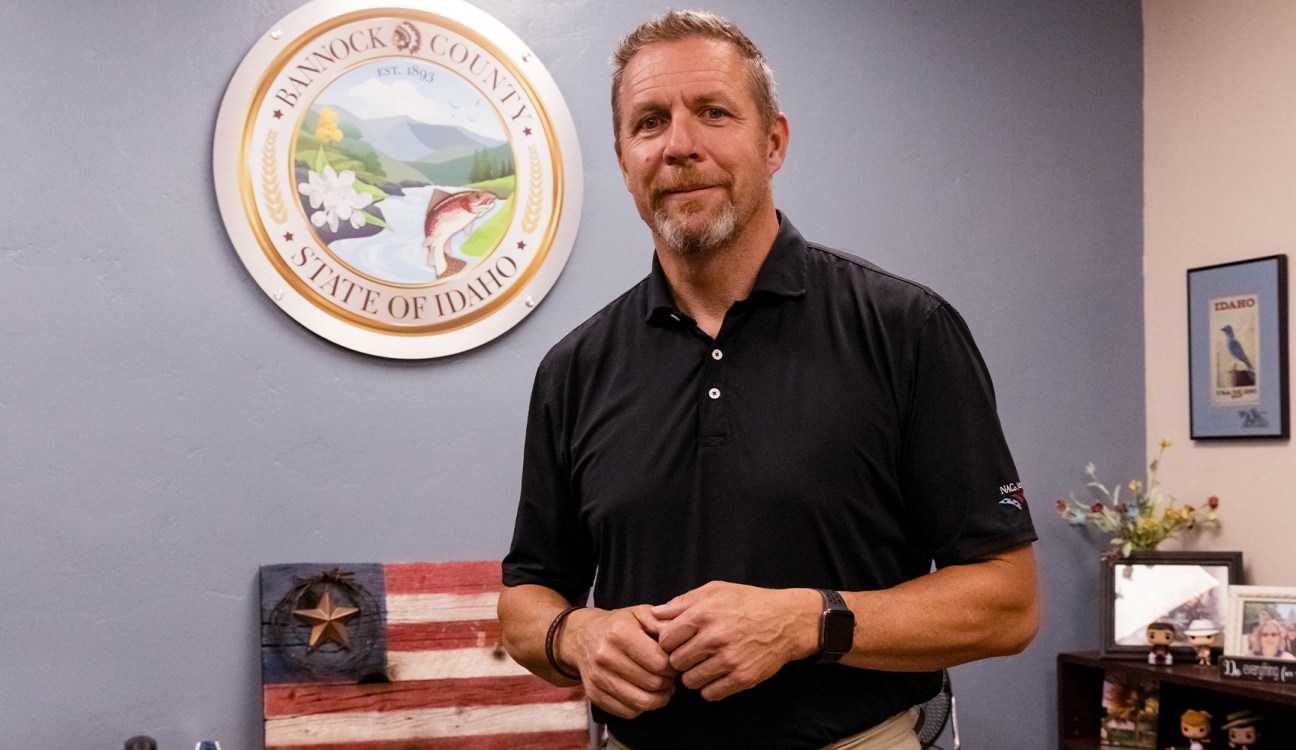
Bannock County, Idaho, is poised to reconsider and potentially reverse a ban on utility-scale solar and wind energy development that was enacted in March 2024. Commissioner Jeff Hough, who was the sole dissenter against the original ordinance, has since become the chair of the county commission and is leading the effort to repeal the ban. A new ordinance, which would permit the development of solar, wind, and nuclear energy, is scheduled for a vote this fall. This situation in Bannock County serves as a significant test case for how communities that have previously opposed clean energy projects can re-evaluate their stances and embrace such development. The original ordinance, passed by a 2-1 vote, was criticized by Hough for infringing upon property rights and contradicting foundational American principles. His opposition was rooted in the belief that denying the entire county the opportunity to exercise their property rights for renewable energy projects was fundamentally unjust. The reversal of this ban would be particularly timely for Idaho, which is facing a projected increase in electricity demand. Idaho Power, the state's primary utility provider, anticipates a need for an additional 1 gigawatt of electricity by 2030, representing a substantial 26 percent increase from current demand levels. This growing demand highlights the critical need for new energy sources to meet future requirements. The Bannock County decision is occurring within a broader national context where local restrictions on clean energy are prevalent. A 2025 analysis indicated that nearly one in four U.S. counties had implemented some form of ban, moratorium, or impediment to clean energy development, a notable increase from 15 percent in 2023. The majority of these counties, over 60 percent, are rural, according to data compiled by the Daily Yonder and Canary Media, drawing information from USA Today and the Sabin Center for Climate Change Law at Columbia University. The definition of "rural" used in this analysis adheres to criteria established by the U.S. Office of Management and Budget. The potential reversal of the ban in Bannock County could influence other rural communities grappling with similar decisions regarding renewable energy infrastructure. The economic and environmental implications of such bans and their subsequent reversals are becoming increasingly important as the nation navigates its energy transition and strives to meet climate goals. The forthcoming vote in Bannock County will be closely watched as an indicator of evolving local attitudes towards renewable energy and the potential for policy shifts in response to energy needs and changing perspectives on clean energy's benefits.
Original source — read the full reporting at the publisher:
Read on GristGet the weekly AI digest
AI news + new model releases, weekly. Drafted by our agents, reviewed by humans.