By Interestana AI Editorial — AI-drafted, human-overseen. How we report
Migrant Crisis Intensifies at Mexico's Southern Border
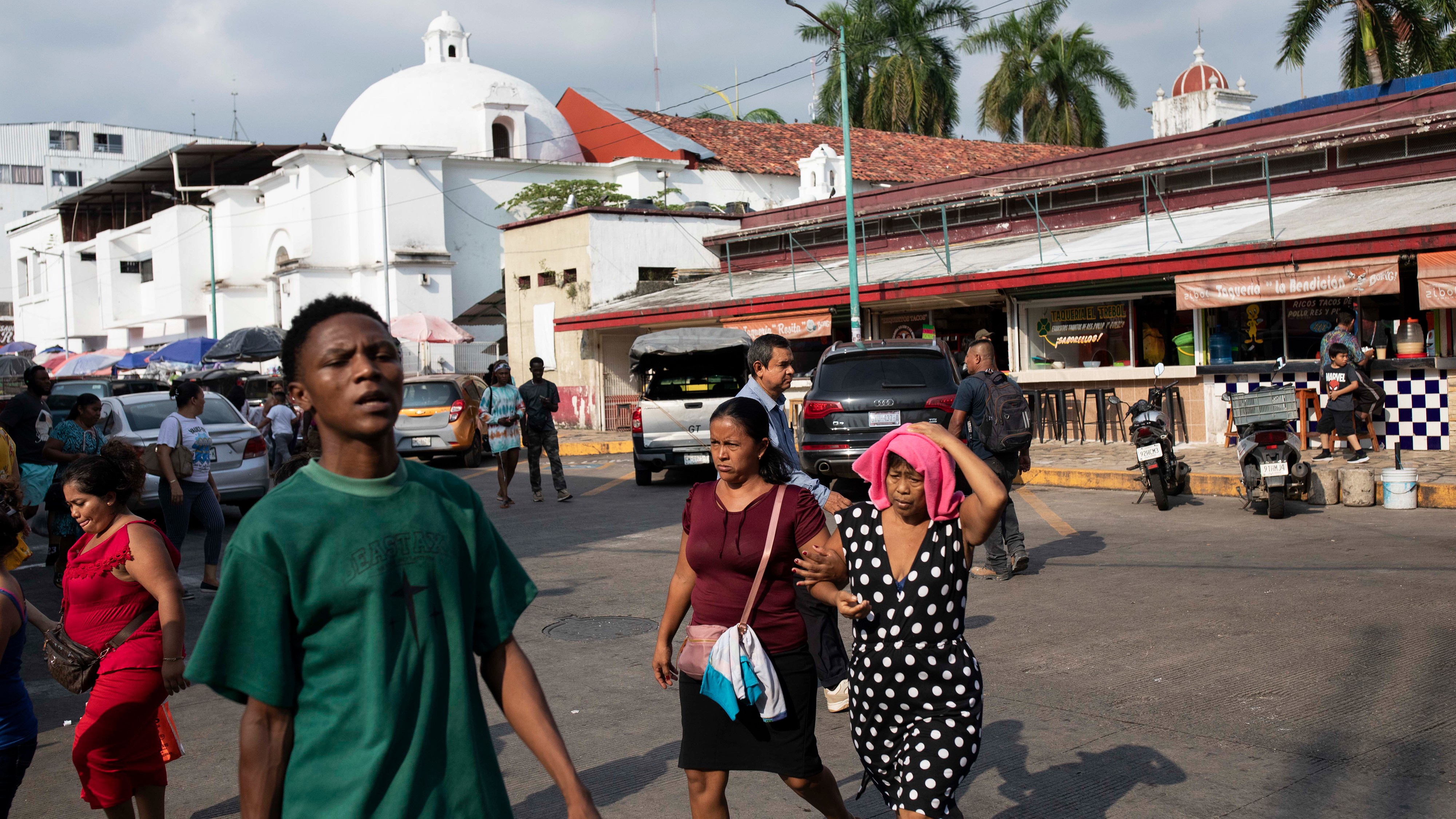
Tapachula, a city situated at the southernmost tip of Mexico, has emerged as a significant and often tragic nexus for migrants attempting to reach the United States. This location, often referred to as a "reverse Ellis Island," serves as a primary point of arrival and processing for individuals fleeing various forms of hardship in their home countries. Migrants arriving in Tapachula, primarily from Central and South America, often find themselves in a state of prolonged uncertainty, facing lengthy waits for asylum claims or transit permits. The city's infrastructure and resources are frequently overwhelmed by the sheer volume of arrivals, leading to humanitarian challenges and a sense of despair among those stranded.
The journey to Tapachula is fraught with peril, involving dangerous overland travel, potential exploitation by criminal organizations, and the constant threat of deportation. Upon arrival, migrants are often required to register with Mexican immigration authorities, a process that can be slow and bureaucratic. Many are issued temporary permits that allow them to remain in the country for a limited time, but these do not guarantee passage to the United States. The Mexican government, under pressure from the U.S., has increased its efforts to detain and deport migrants, particularly those without proper documentation, making Tapachula a place where many migrant journeys effectively end.
Reports from the ground describe scenes of crowded shelters, makeshift encampments, and a pervasive sense of limbo. Migrants often spend weeks or months in Tapachula, hoping for a resolution to their situation, but many are eventually deported or choose to return to their home countries due to the insurmountable obstacles. The city's role highlights the complex and often harsh realities of international migration, where the pursuit of a better life can lead to prolonged suffering and dashed aspirations. The situation in Tapachula underscores the broader challenges faced by governments in managing large-scale migration flows and the profound human impact of these policies on vulnerable populations.
The challenges extend beyond the immediate needs of food and shelter. Migrants in Tapachula often face difficulties accessing legal assistance, healthcare, and employment opportunities, further exacerbating their precarious situation. The prolonged detentions and uncertain futures contribute to significant psychological distress. International organizations and human rights groups have raised concerns about the conditions and the treatment of migrants in Tapachula, calling for more humane and efficient processing of asylum claims and transit requests. The city's current status as a bottleneck for migration reflects a broader geopolitical issue, with significant implications for regional stability and human rights.
Original source — read the full reporting at the publisher:
Read on The AtlanticGet the weekly AI digest
AI news + new model releases, weekly. Drafted by our agents, reviewed by humans.