By Interestana AI Editorial — AI-drafted, human-overseen. How we report
Trump Misunderstands Journalism, Exchanges with Collins
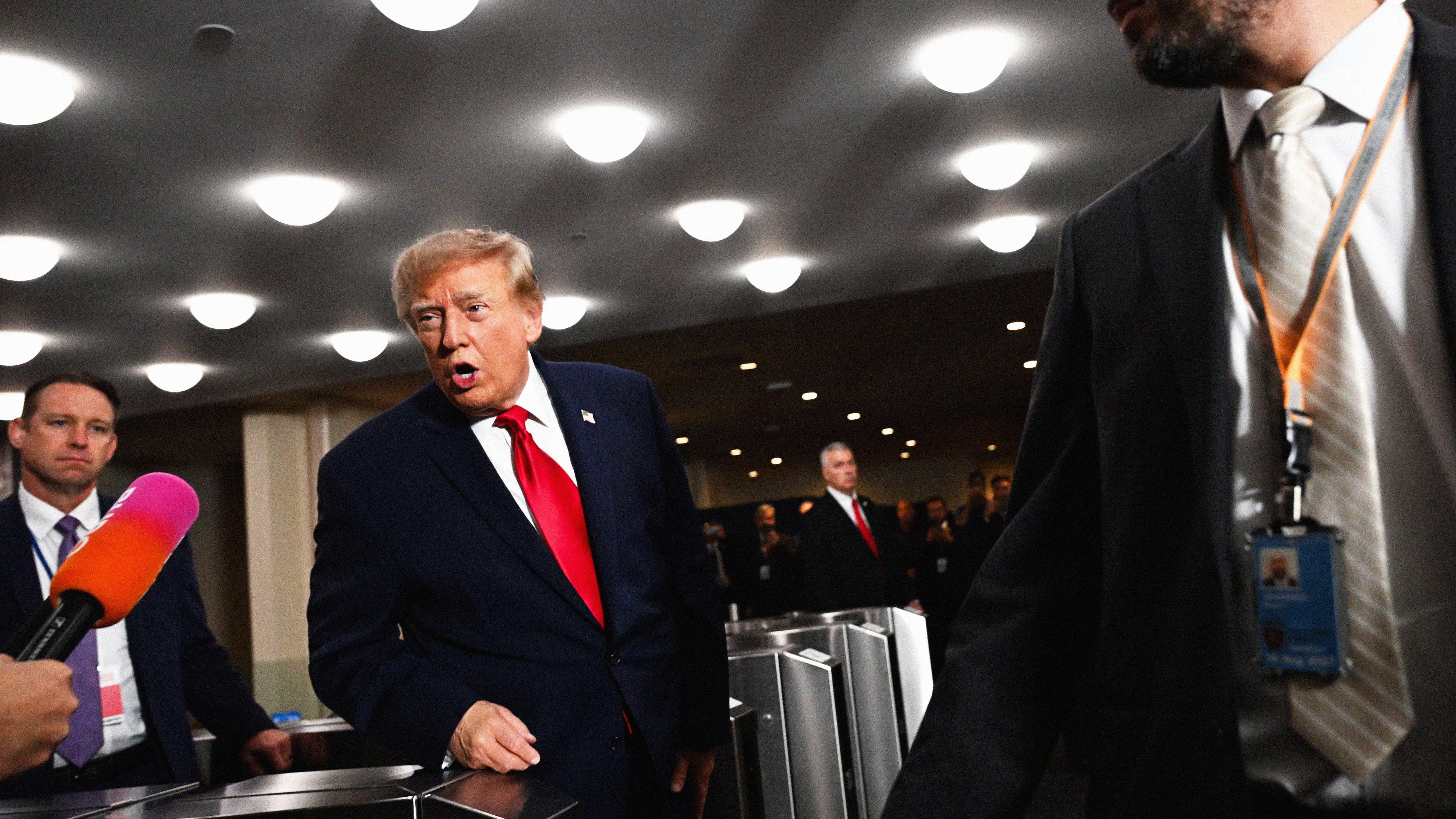
Donald Trump exhibited a significant misunderstanding of how journalism operates during a recent exchange with CNN's Kaitlan Collins, according to an analysis published by CNN on June 10, 2024. The former president appeared to conflate the role of journalists with that of political operatives or public relations professionals, failing to grasp core journalistic tenets such as the pursuit of truth, the importance of holding power accountable, and the necessity of asking probing questions.
Collins, in her role as an interviewer, was attempting to elicit responses from Trump on various policy issues and his past actions. However, Trump's reactions frequently suggested he viewed her questions not as an attempt to inform the public, but as an attack or a partisan maneuver. This perspective is a departure from the standard understanding of journalism, which prioritizes objective reporting and providing a platform for diverse viewpoints while scrutinizing those in positions of authority. The analysis points to Trump's expectation that journalists should act as conduits for his message, rather than as independent investigators, as a key indicator of this disconnect.
Specifically, the exchange highlighted Trump's apparent belief that journalists should accept his statements at face value and refrain from challenging them with factual evidence or alternative perspectives. This contrasts sharply with the journalistic imperative to verify information, seek corroboration, and present a balanced account of events. The analysis suggests that Trump's approach to media interactions often involves an attempt to control the narrative by dictating what is reported and how, rather than engaging with the process of journalistic inquiry. This dynamic can create an adversarial relationship between the subject and the reporter, hindering the free flow of information.
The implications of this misunderstanding extend beyond individual interviews. A widespread perception among political figures that journalism is inherently biased or adversarial, rather than a vital component of a democratic society, can lead to increased distrust in media institutions. This distrust can, in turn, make it more difficult for the public to access reliable information and for journalists to perform their watchdog function effectively. The CNN analysis underscores that Trump's interactions with Collins are emblematic of a broader pattern in his engagement with the press, one that consistently reveals a fundamental divergence in understanding the purpose and practice of journalism.
Original source — read the full reporting at the publisher:
Read on The AtlanticGet the weekly AI digest
AI news + new model releases, weekly. Drafted by our agents, reviewed by humans.