By Interestana AI Editorial — AI-drafted, human-overseen. How we report
Mariano's Closes 7 Chicago Stores, Creating Food Access Concerns
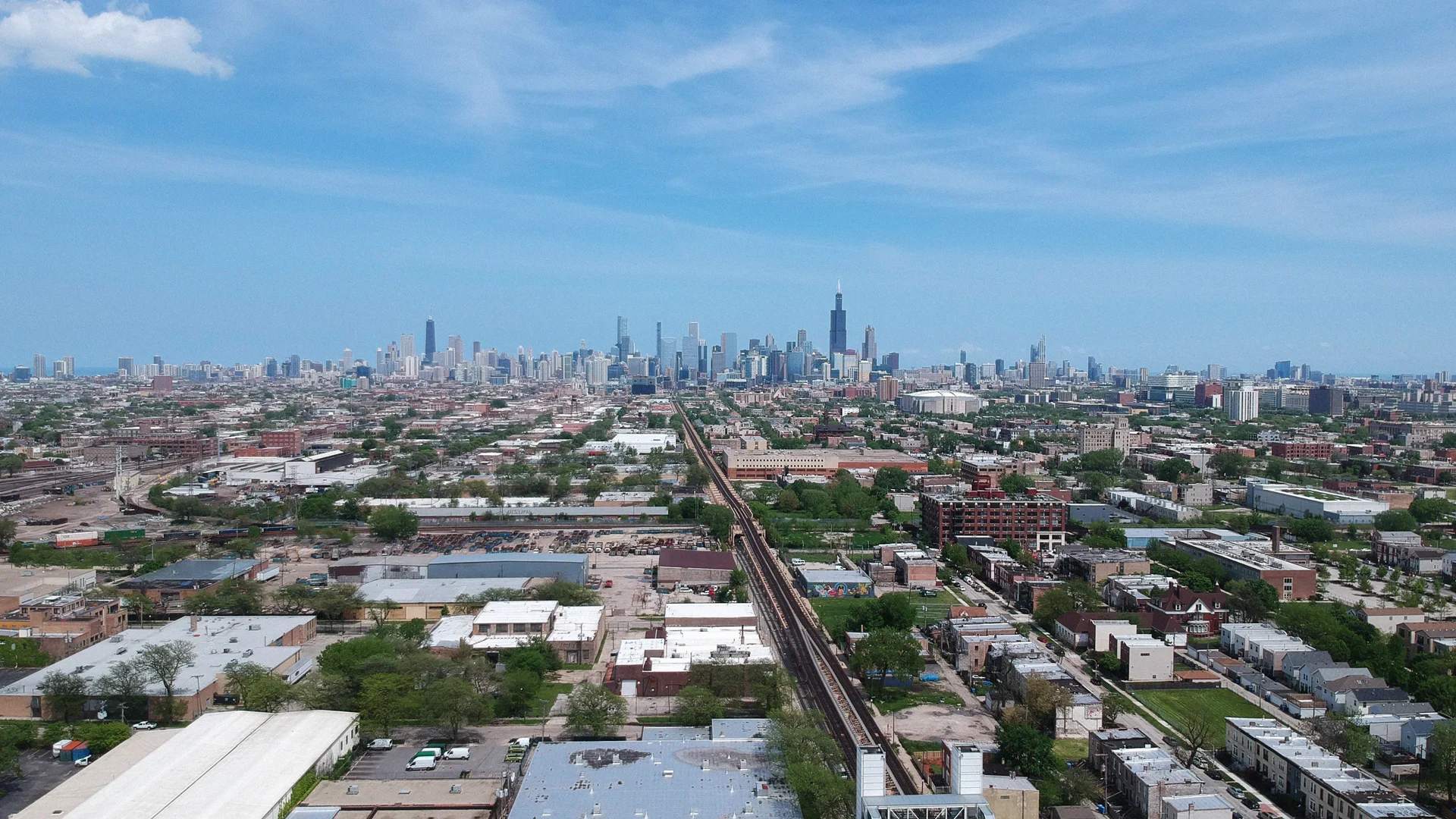
Kroger-owned Mariano's announced the closure of seven of its grocery stores across Chicago, a move that has sparked significant concern among local residents regarding access to fresh food and the potential for new food deserts to emerge. The closures, which took effect on April 20, 2024, impact neighborhoods across the city, including Bronzeville, Lincoln Park, Hyde Park, South Loop, West Loop, Glenview, and Edison Park. This decision by Mariano's, a prominent grocery chain in the Chicago metropolitan area, has left many communities without a readily available source for groceries, particularly fresh produce and other essential food items. The immediate aftermath of these closures has seen residents expressing anxiety about the long-term implications for their neighborhoods. In Bronzeville, for instance, the closure of the Mariano's at 3858 S. Martin Luther King Jr. Drive leaves residents with limited options for grocery shopping, potentially requiring longer travel distances to access supermarkets. Similarly, the closure of the store at 550 N. Ashland Avenue in the West Loop has been met with dismay, as it was a key retail anchor in that area. The company cited "underperforming" stores as the reason for the closures, a statement that has drawn criticism from some community leaders who argue that the stores were vital community assets. The situation highlights a broader challenge facing urban areas: ensuring equitable access to healthy and affordable food. Food deserts, defined as geographic areas where residents have limited access to affordable and nutritious food, are a persistent issue in many cities, and these closures risk exacerbating the problem in Chicago. The absence of a nearby supermarket can disproportionately affect low-income residents, seniors, and individuals without reliable transportation, forcing them to rely on convenience stores or fast-food options that often lack healthy choices. The closures also raise questions about the future of retail in these affected neighborhoods and the potential impact on local economies. Mariano's, which operates over 100 stores in the Chicago area, is a significant employer, and the loss of these seven locations could have ripple effects on employment. The company has stated that it is working to transfer employees to other nearby Mariano's locations where possible, but the full extent of job displacement remains unclear. The closures come at a time when grocery retailers nationwide are facing evolving consumer habits and economic pressures, including rising operational costs and competition from online grocery services. However, for the residents of Chicago's affected neighborhoods, the immediate concern is the disruption to their daily lives and the potential long-term consequences for their health and well-being due to reduced access to fresh food. The situation underscores the critical role that accessible grocery stores play in the vitality and health of urban communities.
Original source — read the full reporting at the publisher:
Read on Inc.Get the weekly AI digest
AI news + new model releases, weekly. Drafted by our agents, reviewed by humans.