By Interestana AI Editorial — AI-drafted, human-overseen. How we report
Zipcar Pilot Pairs Shared EVs With Off-Grid Solar Charging
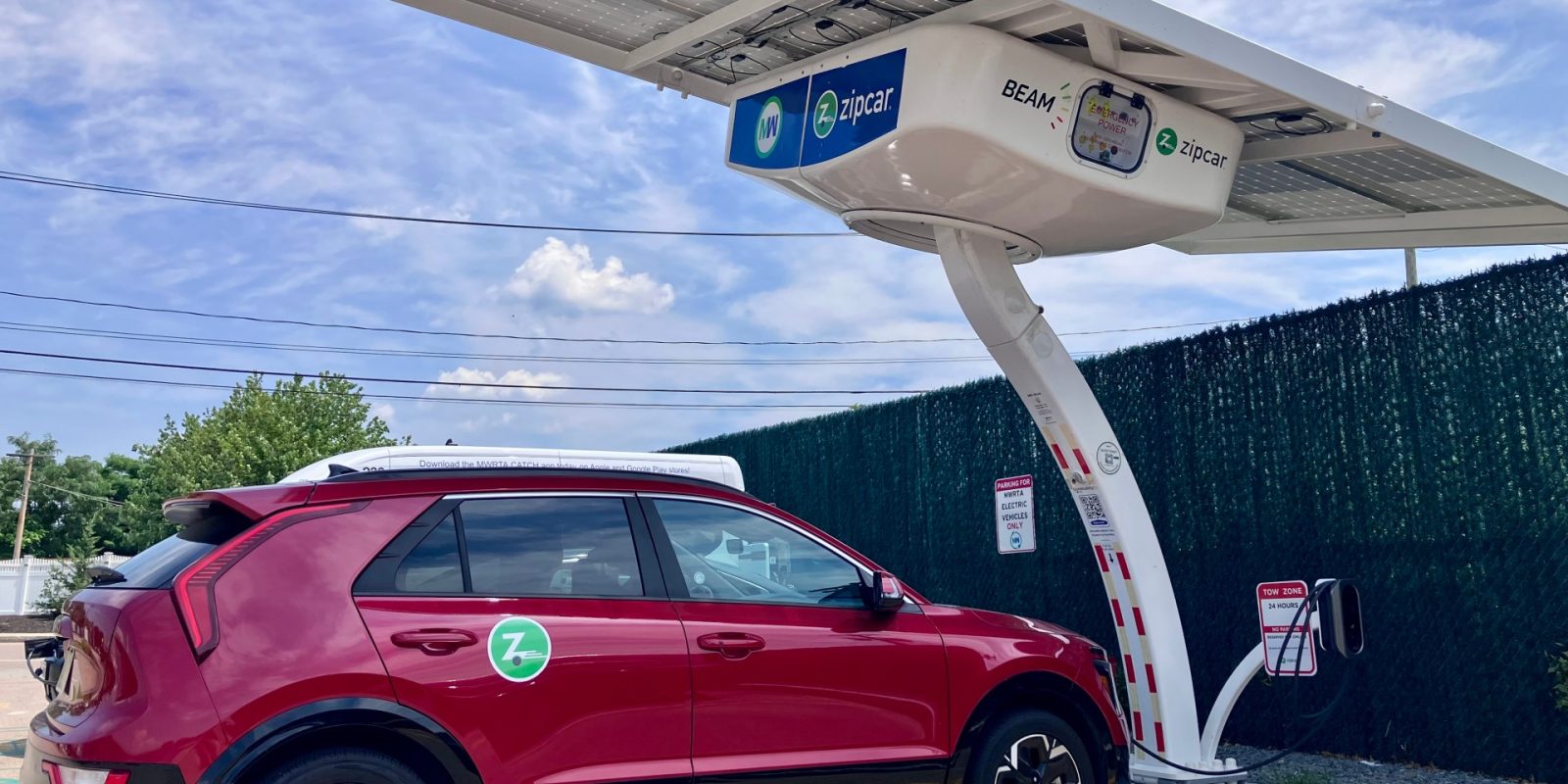
Zipcar has initiated a pilot program in four Greater Boston communities, integrating shared electric vehicles with off-grid solar charging stations. This initiative aims to expand affordable carsharing services to areas that have historically lacked such options. The program specifically targets neighborhoods where traditional carsharing infrastructure has been absent, leveraging a combination of electric vehicles and renewable energy sources to provide a sustainable and accessible transportation solution.
The off-grid solar chargers are a key component of this pilot, designed to operate independently of the traditional electricity grid. This approach ensures that the charging infrastructure can be deployed in diverse locations, including those with limited access to conventional power sources. By utilizing solar energy, the pilot program also emphasizes a commitment to environmental sustainability, reducing the carbon footprint associated with vehicle charging. The specific communities involved in the pilot are not explicitly named in the provided information, but their selection is based on their historical lack of carsharing services, indicating a focus on underserved urban and suburban areas.
This pilot represents a significant step for Zipcar in exploring innovative models for carsharing, particularly in its integration of electric mobility and renewable energy. The company's strategy appears to be focused on increasing accessibility and reducing environmental impact. By pairing shared electric vehicles with self-sufficient solar charging, Zipcar is testing a model that could potentially be replicated in other cities and regions facing similar transportation access challenges. The success of this pilot could inform future expansions and investments in sustainable carsharing infrastructure, potentially setting a new standard for the industry in urban mobility solutions.
The program's design addresses two critical aspects of modern transportation: accessibility and sustainability. Providing carsharing services in areas that have been overlooked by traditional providers can significantly enhance mobility for residents, offering an alternative to private vehicle ownership. Simultaneously, the reliance on solar power for charging electric vehicles directly supports environmental goals by reducing reliance on fossil fuels and lowering greenhouse gas emissions. This dual focus positions the Zipcar pilot as a forward-thinking approach to urban transportation challenges, demonstrating how shared mobility and clean energy can be effectively combined to create more equitable and environmentally responsible communities.
Original source — read the full reporting at the publisher:
Read on ElectrekGet the weekly AI digest
AI news + new model releases, weekly. Drafted by our agents, reviewed by humans.