By Interestana AI Editorial — AI-drafted, human-overseen. How we report
New Horizontal Levee Blends Flood Control and Habitat
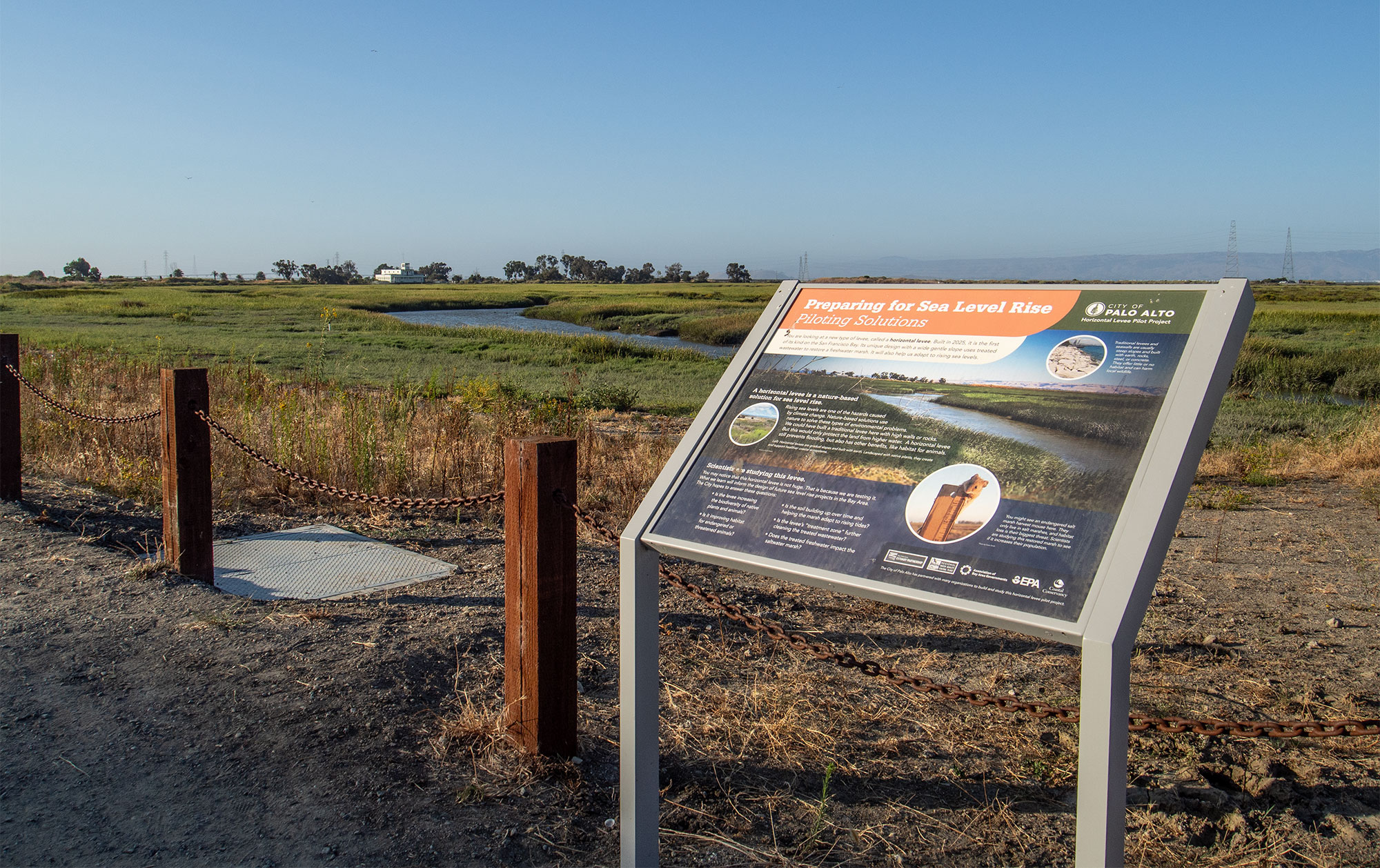
A pilot project at the Palo Alto Baylands Nature Preserve in Northern California is testing a novel approach to flood control known as a horizontal levee, or living levee. Unlike traditional levees that are steep, barren embankments or riprap-clad seawalls designed solely to increase height and prevent flooding, this new design integrates with the natural environment. The Palo Alto Horizontal Levee Pilot Project is seeded with over 35 species of native plants, allowing it to blend into the estuary's scenery while spreading its added height over a longer area. This gradual slope and dense vegetation are designed to interact with Bay waters in a manner similar to natural estuaries. Mark Lindley, lead engineer on the project, explained that the flat, gradual slope with vegetation allows waves to break on it like they do on a beach, a stark contrast to the steep faces and large rocks of conventional levees that are designed to withstand wave action. This approach aims to provide both flood mitigation and habitat restoration, reflecting a growing trend of using green infrastructure in California's Bay Area. The Oro Loma Horizontal Levee near Hayward, California, completed in 2017, served as the first of its kind and influenced the design of the Palo Alto project and other similar initiatives. Approximately a dozen horizontal levees are currently in various stages of design and development around the Bay. However, the Palo Alto pilot project is distinguished by its unique hydrological connection to the Bay. Beneath the layers of plants, soil, and gravel, an integrated plumbing system connects the levee's slope to the Palo Alto Wastewater Treatment Center located across the street. This system allows treated wastewater to be used for irrigating the levee's plants, further supporting the vegetation and the ecological functions of the levee. This innovative design leverages treated wastewater to sustain the living infrastructure, enhancing its resilience and ecological benefits. The project represents a significant step in developing sustainable and ecologically integrated flood defense systems, moving away from purely engineered solutions towards nature-based approaches that offer multiple environmental benefits.
Original source — read the full reporting at the publisher:
Read on GristGet the weekly AI digest
AI news + new model releases, weekly. Drafted by our agents, reviewed by humans.