By Interestana AI Editorial — AI-drafted, human-overseen. How we report
Study: Children Showed Aggression Towards AI Toys
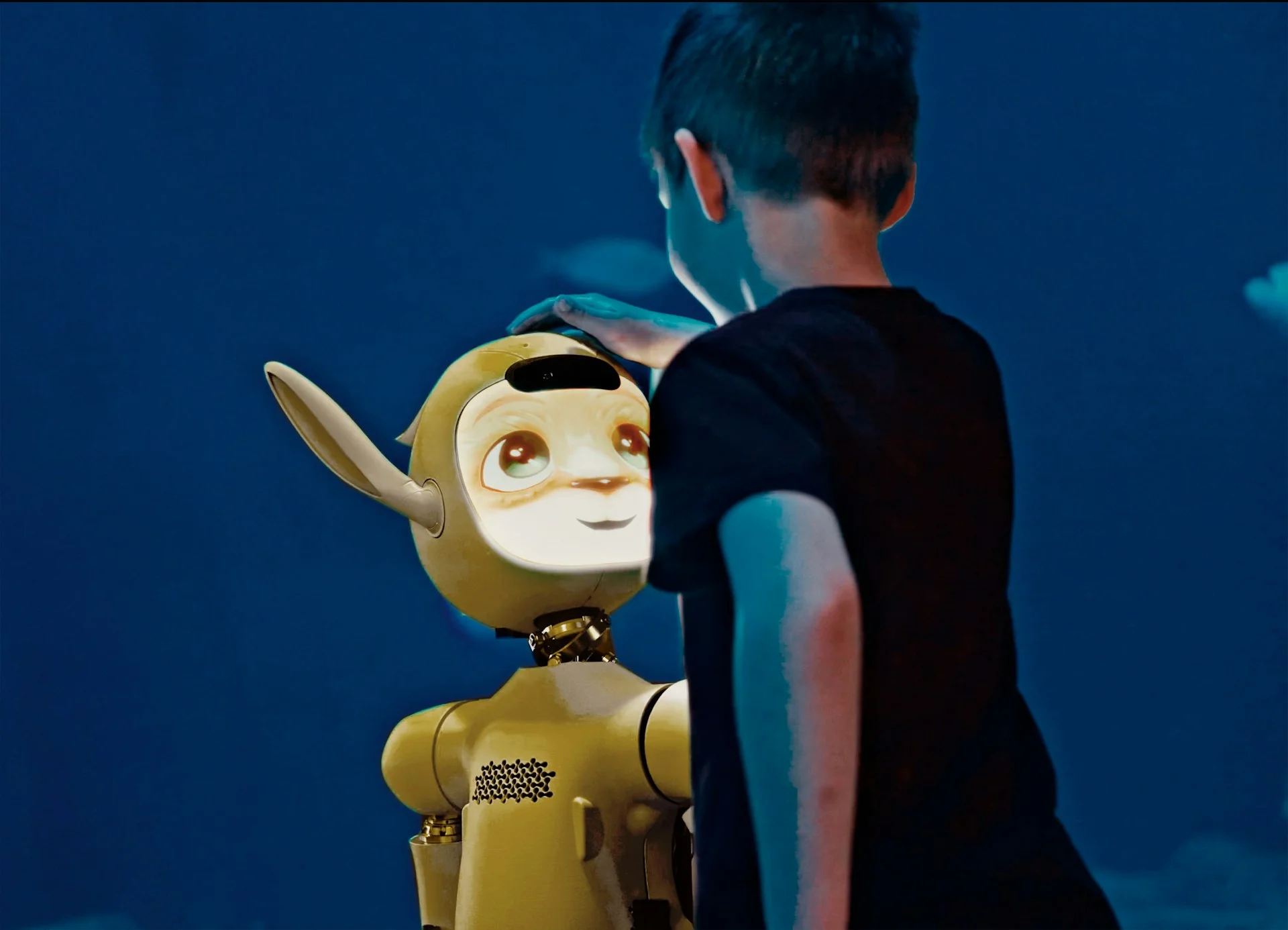
A recent study investigating children's interactions with artificial intelligence-powered toys has revealed a concerning trend of escalating aggression. The research, conducted by an unnamed academic institution, involved a cohort of children aged 3 to 5 years old. These children were given access to AI toys designed to be interactive and responsive. Initially, the children engaged with the toys in typical playful ways. However, as the study progressed, a notable shift in behavior was observed. By the third stage of the experiment, a significant number of the participating children began to display overtly aggressive actions towards the AI toys. This aggression manifested in various forms, including hitting, throwing, and verbal abuse directed at the toys. The study's findings indicate that the children's frustration or dissatisfaction with the toys' performance or limitations may have contributed to this behavioral change. Specifically, the research noted that by the third stage, children expressed a desire to "throw them in the ocean," a sentiment indicative of extreme frustration and a complete rejection of the technology. The study did not specify the exact nature of the AI toys used, nor did it detail the specific metrics for measuring aggression beyond observational data and reported child statements. The implications of these findings are significant for the development and deployment of AI technologies intended for young children. It raises questions about the design of AI toys, their ability to manage child frustration, and the potential long-term effects of such interactions on children's emotional development and their perception of technology. Further research is needed to understand the underlying causes of this aggressive behavior and to develop strategies for creating more positive and constructive human-AI interactions for young users. The study's methodology and detailed findings were not fully disclosed in the provided information, leaving room for further investigation into the specific AI capabilities of the toys and the precise developmental stages at which these aggressive behaviors emerged. The researchers have not yet published their full findings in a peer-reviewed journal, and the specific academic institution responsible for the study remains unidentified.
Original source — read the full reporting at the publisher:
Read on Inc.Get the weekly AI digest
AI news + new model releases, weekly. Drafted by our agents, reviewed by humans.