By Interestana AI Editorial — AI-drafted, human-overseen. How we report
Europe Report Warns of Orbital Collision Risks
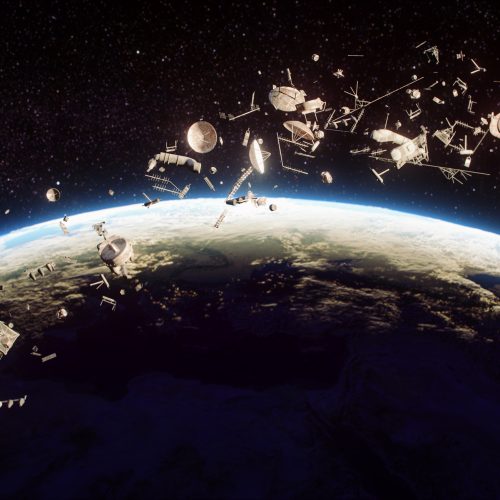
A new report originating from Europe has sounded significant alarms regarding the increasing threat of orbital collisions, a scenario popularized by the 2013 science fiction film "Gravity." The movie, which starred Sandra Bullock and George Clooney, depicted a chain reaction of satellite destructions initiated by Russia shooting down a defunct satellite, creating a debris cloud that rendered orbits unusable. While the film took creative liberties with the physics of outer space, its core premise of cascading collisions leading to an unnavigable orbital environment is a valid concern. This concept, known as the Kessler syndrome, was first theorized by NASA scientists Donald Kessler and Burton Cour-Palais approximately fifty years ago. The European report underscores that this is no longer purely a science fiction scenario but a pressing contemporary issue.
The escalating number of satellites being launched into Earth's orbit by various nations and private companies is a primary driver of this heightened risk. Each launch adds to the density of objects in space, increasing the probability of accidental impacts. These impacts, even from small debris, can generate thousands of new fragments, each capable of causing further damage. The report likely details specific metrics related to the current state of orbital congestion, such as the number of active satellites, defunct satellites, and tracked pieces of space debris. It may also quantify the projected growth in orbital traffic over the next decade, providing a basis for its urgent warnings. The implications of unchecked orbital debris extend beyond the loss of valuable space assets; they pose a threat to critical infrastructure that relies on satellites for communication, navigation, weather forecasting, and scientific research.
Furthermore, the report may delve into the challenges of space traffic management and the need for international cooperation to mitigate these risks. Establishing clear protocols for satellite de-orbiting, debris removal technologies, and responsible space operations are crucial steps. The European Space Agency (ESA) and other international bodies have been actively researching and advocating for solutions to space debris. The report could be a call to action for policymakers to implement stricter regulations and invest in technologies that can actively clean up existing debris or prevent the creation of new debris. The economic and strategic consequences of a Kessler syndrome event would be profound, potentially halting space exploration and commercial activities for generations. The report's findings are expected to influence ongoing discussions at international forums concerning space sustainability and the long-term viability of Earth's orbital environment.
Original source — read the full reporting at the publisher:
Read on Ars TechnicaGet the weekly AI digest
AI news + new model releases, weekly. Drafted by our agents, reviewed by humans.