By Interestana AI Editorial — AI-drafted, human-overseen. How we report
Arizona Plant Targets Rare Earth Supply Crunch
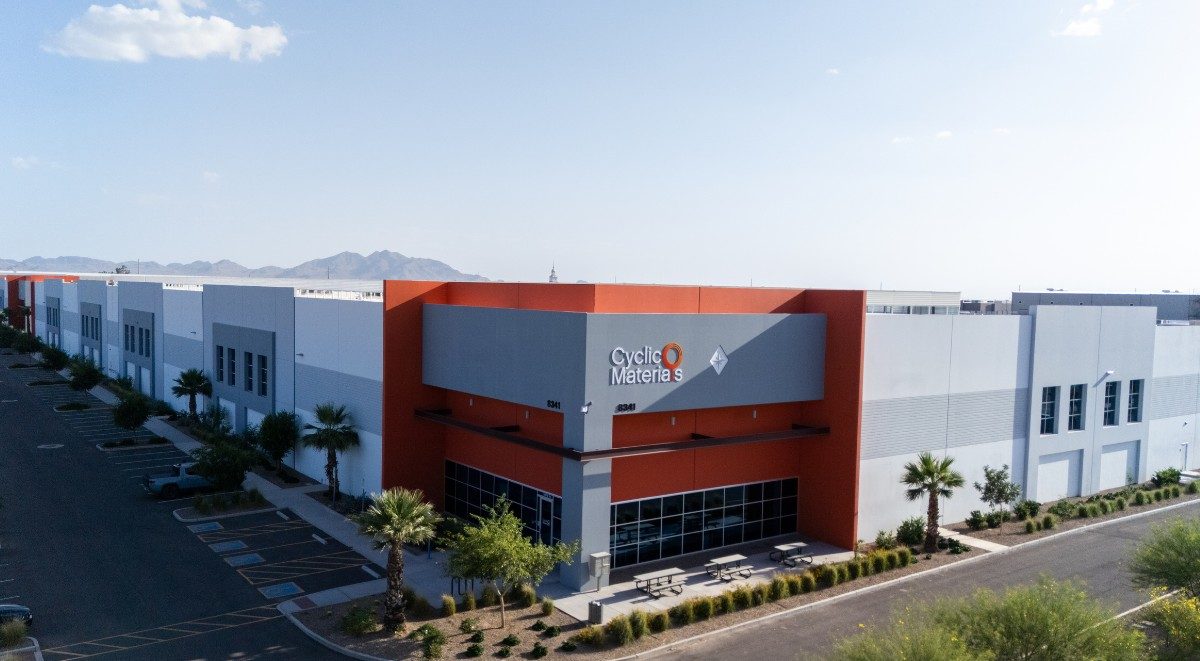
A novel rare earth recycling facility situated in Arizona is poised to address the ongoing global supply crunch for these critical materials. The plant's primary objective is to establish a robust domestic source of rare earth elements, which are indispensable components for a wide array of modern technologies. These include the powerful magnets found in electric vehicle (EV) motors, the intricate machinery of wind turbines, and numerous other high-tech products.
The establishment of this facility represents a significant step towards bolstering domestic supply chains for rare earth minerals. Historically, the United States has been heavily reliant on foreign countries, particularly China, for the extraction and processing of these vital elements. This dependence creates vulnerabilities in national security and economic stability, as disruptions in global supply can have far-reaching consequences for manufacturing and innovation. By developing domestic recycling capabilities, the Arizona plant seeks to mitigate these risks and foster greater self-sufficiency.
Rare earth elements, a group of 17 metallic elements, possess unique magnetic, catalytic, and phosphorescent properties that make them crucial for advanced technologies. Their applications extend beyond EVs and wind turbines to include consumer electronics like smartphones and laptops, defense systems, medical imaging equipment, and advanced catalysts used in petroleum refining. The demand for these materials is projected to grow substantially in the coming years, driven by the accelerating transition to renewable energy and the increasing adoption of electric vehicles.
The recycling process employed by the Arizona plant is designed to recover rare earth elements from end-of-life products, such as discarded electronics and industrial waste. This approach not only addresses the supply shortage but also offers an environmentally sustainable alternative to traditional mining, which can be resource-intensive and environmentally damaging. By diverting waste materials from landfills and reprocessing them, the plant contributes to a more circular economy and reduces the environmental footprint associated with rare earth production. The success of this initiative could pave the way for similar recycling operations across the country, further strengthening the nation's position in the global rare earth market.
Original source — read the full reporting at the publisher:
Read on ElectrekGet the weekly AI digest
AI news + new model releases, weekly. Drafted by our agents, reviewed by humans.