By Interestana AI Editorial — AI-drafted, human-overseen. How we report
Ronson's 'The Castle' Argues Men Opt Out of Society
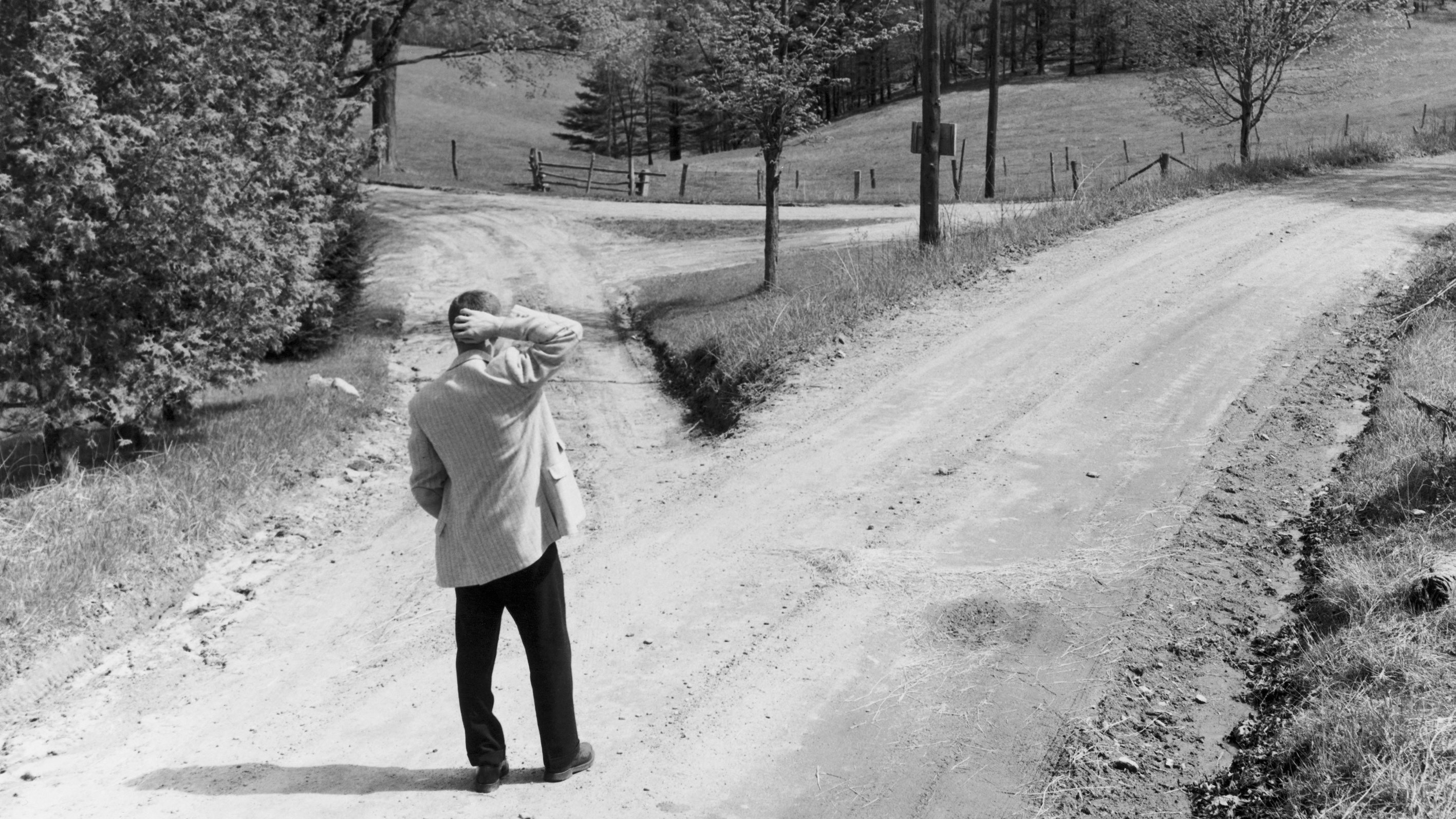
Jon Ronson's latest book, "The Castle," presents a provocative argument that a significant number of men are disengaging from societal participation because they perceive a lack of meaningful alternatives or purpose. Ronson explores this phenomenon by examining various subcultures and individual experiences, suggesting that a confluence of factors, including economic shifts, cultural changes, and the perceived inaccessibility of traditional markers of success, contributes to this widespread withdrawal. The book delves into the lives of men who have retreated into niche communities, online spaces, or isolated lifestyles, often finding solace and identity in activities that exist outside the mainstream societal structures. Ronson posits that this opting out is not necessarily a conscious political statement but rather a passive response to a perceived void, a surrender to a state of 'strange idleness' where engagement feels too difficult or unrewarded.
Central to Ronson's thesis is the idea that the traditional pathways to fulfillment and societal contribution, such as stable careers, family formation, and community involvement, have become increasingly challenging or less appealing for many men. He contrasts this with historical periods where such pathways might have offered clearer rewards and a stronger sense of belonging. The book investigates how the digital age, while offering new forms of connection, can also exacerbate feelings of isolation and detachment from tangible, real-world interactions and responsibilities. Ronson does not attribute this trend to a single cause but rather to a complex interplay of economic anxieties, evolving gender roles, and a broader cultural malaise that leaves many feeling adrift. He seeks to understand the internal logic of these men's decisions, aiming to shed light on the underlying motivations rather than simply condemning the behavior.
"The Castle" is characterized by Ronson's signature investigative style, blending personal anecdotes with broader sociological observations. He interviews men from diverse backgrounds, including those involved in survivalist communities, online gaming subcultures, and various forms of self-imposed isolation. Through these narratives, Ronson illustrates the spectrum of withdrawal, from mild disinterest to complete secession from conventional life. The book raises questions about the future of social cohesion and the responsibilities of society to provide avenues for engagement and purpose for all its members. Ronson's work encourages readers to consider the societal conditions that might lead individuals to feel that opting out is the most rational or least painful course of action, prompting a deeper reflection on what constitutes a fulfilling life in contemporary society and what societal structures are failing to provide.
Ronson's exploration is not intended to be a definitive diagnosis but rather an empathetic inquiry into a concerning trend. He highlights how the absence of a clear 'what next' can lead to a state of inertia, where the effort required to re-engage outweighs the perceived benefits. The book implicitly critiques a society that may be inadvertently fostering this disengagement by failing to adapt its structures and opportunities to the evolving needs and realities of its male population. "The Castle" serves as a call to understand the roots of this societal withdrawal, suggesting that addressing it requires a nuanced understanding of the challenges men face and a proactive effort to create more inclusive and purposeful pathways for participation.
Original source — read the full reporting at the publisher:
Read on The AtlanticGet the weekly AI digest
AI news + new model releases, weekly. Drafted by our agents, reviewed by humans.