By Interestana AI Editorial — AI-drafted, human-overseen. How we report
Hollywood's Franchise Obsession Stifles Original Films
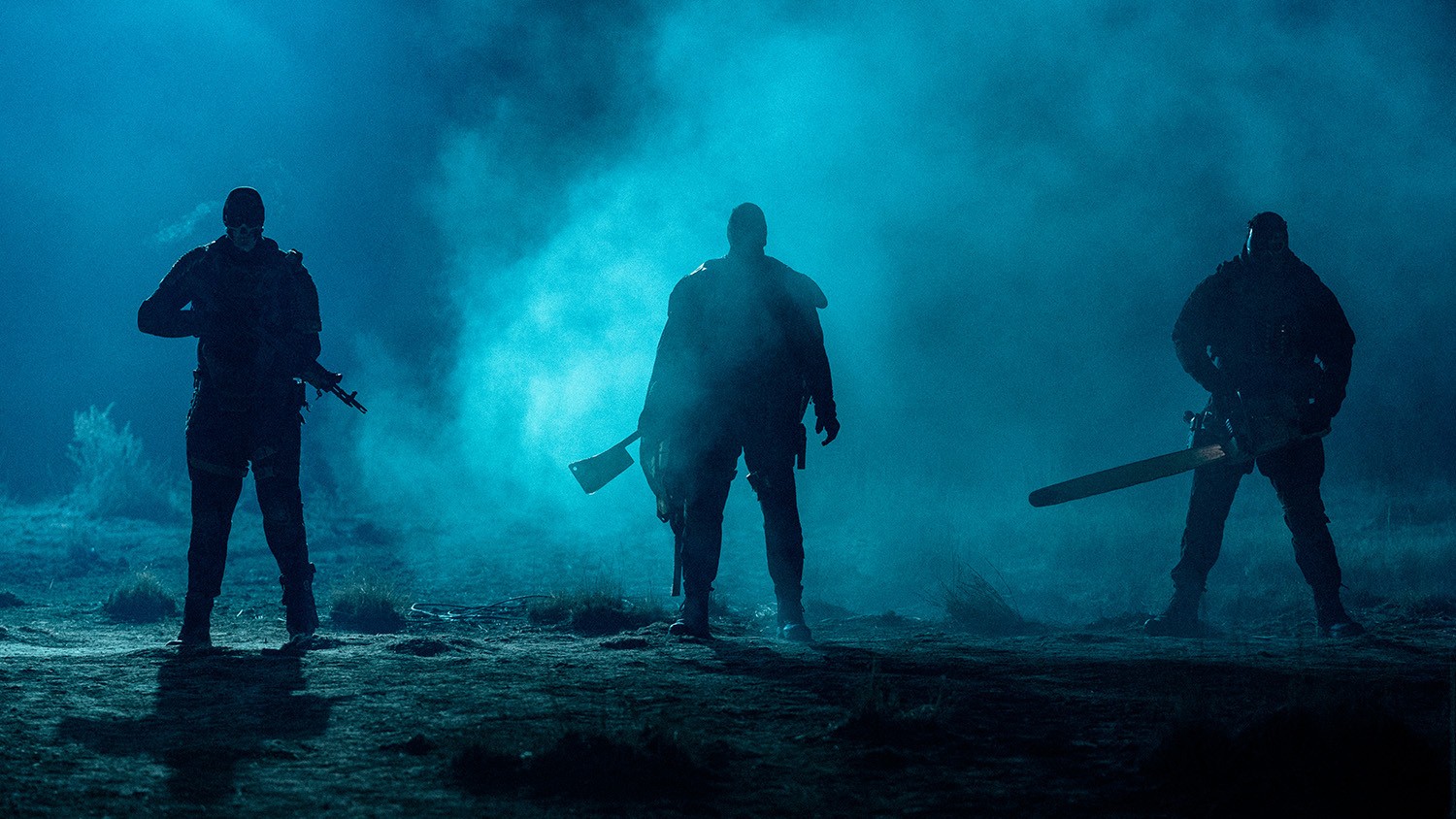
The film "Onslaught" is identified as a casualty of Hollywood's pervasive drive to transform every new property into a potential franchise. This trend, characterized by a focus on building interconnected universes and sequels, often overshadows the intrinsic value and unique narrative potential of standalone stories. The current industry landscape, as exemplified by "Onslaught," suggests that a movie's ability to exist independently and be appreciated for its own merits is increasingly compromised by the demand for pre-existing intellectual property or the promise of future installments.
This phenomenon reflects a broader shift in the film industry's economic model, where the perceived safety and guaranteed audience of established franchises outweigh the risks associated with original concepts. Studios often prioritize projects that can be leveraged across multiple media platforms, including sequels, prequels, spin-offs, television series, and merchandise. This strategic imperative can lead to creative decisions being influenced by franchise potential rather than artistic vision, potentially diluting the originality and impact of individual films. The success of franchises like the Marvel Cinematic Universe (MCU) and Star Wars has further cemented this approach, encouraging a "build-it-and-they-will-come" mentality for interconnected storytelling.
The consequence for films like "Onslaught" is that their development and marketing are often framed within the context of a larger, yet-to-be-established universe. This can lead to narrative compromises, where plot points or character developments are designed to serve future installments rather than the immediate story. Critics and audiences alike have noted a growing fatigue with this formula, expressing a desire for more self-contained and artistically driven cinematic experiences. The pressure to conform to franchise expectations can stifle innovation and limit the range of stories that Hollywood is willing to produce, potentially leading to a homogenization of cinematic output. The focus shifts from creating a singular, compelling work of art to engineering a long-term intellectual property that can generate sustained revenue streams over many years.
Ultimately, the case of "Onslaught" highlights a critical juncture for Hollywood. While franchises have proven to be lucrative, the relentless pursuit of them risks alienating audiences seeking diverse and original storytelling. The industry faces the challenge of balancing the commercial appeal of established brands with the artistic imperative to explore new ideas and narratives. The long-term health of cinema may depend on its ability to foster an environment where both original visions and expansive universes can coexist and thrive, rather than one dominating at the expense of the other. The current trajectory, however, suggests that the allure of the franchise is proving difficult to resist, even when it means sacrificing the singular magic of a standalone film.
Original source — read the full reporting at the publisher:
Read on The AtlanticGet the weekly AI digest
AI news + new model releases, weekly. Drafted by our agents, reviewed by humans.