By Interestana AI Editorial — AI-drafted, human-overseen. How we report
A Long Winter Film Explores Grief and Desire
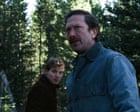
Andrew Haigh's new film, "A Long Winter," adapts Colm Tóibín's 2006 short story, relocating the narrative from the 1930s Spanish Pyrenees to the stark, wintry landscapes of Colorado during the Korean War era. The film offers a poignant and subversive examination of grief and desire, particularly focusing on the profound and often infantilized loneliness experienced by men when women are absent from their lives. Cinematographer André Turpin's work is lauded for its beautiful and evocative portrayal of the setting, enhancing the film's emotional depth. The story centers on Lester, portrayed by Ebon Moss-Bachrach, a hardened and grizzled farmstead owner living in a remote Colorado setting. His family maintains a degree of self-sufficiency through their livestock, with Lester precariously earning a living by breeding rabbits for both meat and fur. One of Lester's sons, Tommy, played by Kit Connor, is preparing to leave for military service. This departure leaves behind his shy younger brother, Mikey, portrayed by Fred Hechinger. Mikey harbors secret gay longings, which are subtly nurtured by clandestine viewings of glossy Cosmopolitan magazines. These publications offer him fleeting glimpses of an impossibly exotic world of big-city fashion and design, contrasting sharply with his isolated rural existence. The film is described as fiercely acted, with the performances contributing significantly to its overall impact. The setting itself, a remote Colorado farmstead, becomes a character, shaping the experiences of the family as they navigate the absence of a mother and await the eventual melting of the snows, symbolizing a period of waiting and introspection. The narrative delves into the complex emotional lives of the characters, using the harsh winter environment as a backdrop for their internal struggles and desires. The film's adaptation from Tóibín's work highlights Haigh's skill in translating literary themes into a compelling visual medium. The thematic exploration of male loneliness is particularly emphasized, suggesting a societal commentary on traditional gender roles and the emotional limitations often imposed upon men. The film's visual style, coupled with its sensitive portrayal of character development, aims to create a deeply affecting cinematic experience for the audience. The juxtaposition of the rugged, isolated landscape with the characters' internal emotional turmoil underscores the film's exploration of human connection and longing. The presence of the Korean War as a temporal marker adds a layer of historical context, subtly influencing the characters' lives and decisions. The film's critical reception points to its success in creating a mood of both hope and desire, intertwined with elements of subversion against conventional expectations.
Original source — read the full reporting at the publisher:
Read on The Guardian CultureGet the weekly AI digest
AI news + new model releases, weekly. Drafted by our agents, reviewed by humans.