By Interestana AI Editorial — AI-drafted, human-overseen. How we report
Libraries Offer Third Space for Curious, Combating Loneliness
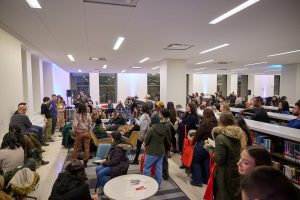
Public libraries across the United States are witnessing a significant increase in program attendance and overall visits, particularly among young adults, as they increasingly serve as "third spaces" that foster connection and intellectual engagement. This trend is driven by a growing demand for environments that facilitate shared learning and thinking, a need amplified by rising levels of loneliness and digital fatigue. Brian Bannon, the chief librarian of the New York Public Library (NYPL), noted an unexpected surge of hundreds of people lining up on a subzero winter night, not for entertainment, but for a silent reading event followed by discussions with strangers about their books. Bannon initially mistook the crowd for attendees of a sneaker sale, highlighting the unconventional nature of the draw.
The NYPL's data reflects this broader shift. Branch library program attendance rose by 10% in fiscal year 2026 compared to the previous year, and attendance at research libraries increased by 6%. Overall visits to NYPL facilities climbed by 2% and 4%, respectively, across all age groups. Teen programming, which includes activities like book clubs, chess clubs, author-led writing workshops, and creative technology courses utilizing 3D printers, is experiencing even more rapid growth. Teen program attendance has surged by 27% since fiscal year 2023, reaching 146,000 participants last year, following consecutive double-digit increases of 12% and 14% in the two preceding years. Total teen visits to the library, a metric distinct from program attendance, reached at least 400,000 in fiscal year 2025.
Bannon stated that "As soon as you create the environment for people to come together, they choose to do it." This observation underscores the fundamental human desire for community and shared experience. He also mentioned that approximately 15 years ago, libraries nationwide began a strategic reevaluation of their services for teenagers, a demographic that had historically been underserved or considered a secondary focus. This proactive approach has evidently laid the groundwork for the current resurgence in engagement. The concept of "third spaces," popularized by sociologist Ray Oldenburg, refers to informal public places where people can gather and interact outside of their homes (first space) and workplaces (second space). Traditionally, these have included coffee shops, bars, and community centers. However, the data from institutions like the NYPL suggests that libraries are effectively evolving into these crucial social hubs, offering a unique blend of quiet contemplation and communal intellectual exploration.
This evolution addresses a gap in the social landscape, where digital interactions often replace face-to-face connections, leading to feelings of isolation. Libraries, by providing structured yet open environments for learning and discussion, are offering a tangible antidote. The success of events like the silent reading and discussion sessions indicates a strong public appetite for curated opportunities to connect with others over shared intellectual interests. This phenomenon is not confined to New York; similar trends are being observed in libraries across the country as they adapt to the changing needs of their communities. The focus on programming that encourages interaction and shared discovery positions libraries as indispensable institutions in combating social isolation and fostering a more connected, curious populace.
Original source — read the full reporting at the publisher:
Read on FortuneGet the weekly AI digest
AI news + new model releases, weekly. Drafted by our agents, reviewed by humans.