By Interestana AI Editorial — AI-drafted, human-overseen. How we report
Georgia Tech Researchers Use Body Tissue for Implant Communication
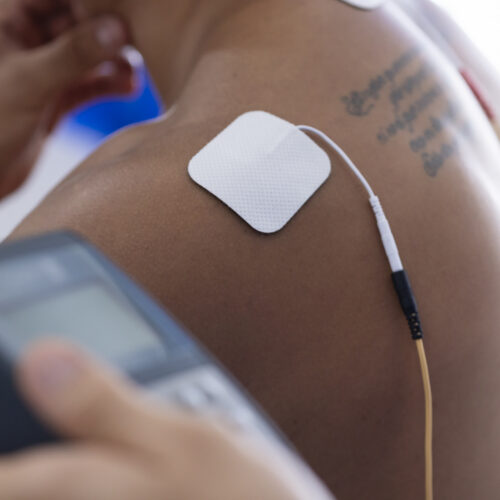
A team of researchers at Georgia Institute of Technology has developed a new networking system designed to enable communication and coordination between implanted medical devices, such as pacemakers and insulin pumps. This innovative system bypasses the need for traditional antennas and radio waves, instead utilizing the body's own tissue to transmit signals. This approach addresses significant limitations inherent in current implant communication technologies, which primarily rely on radio protocols like Bluetooth Low Energy (BLE) and Near-Field Communication (NFC).
According to Alex Abramson, an engineer at Georgia Tech and co-author of the study, radio-based communication methods present two primary challenges for in-body data transfer. The first is power consumption. Abramson explained that maintaining an implant in an active state, capable of responding within milliseconds, is extremely difficult with existing Bluetooth systems. The research paper indicates that activating Bluetooth components can drastically reduce an implant's battery life, cutting it by as much as 90 percent. This power drain is a critical concern for devices that require continuous operation and long-term functionality within the human body.
The new system, detailed in a research paper, proposes a solution by leveraging the conductive properties of human tissue. By sending signals directly through the body's tissues, the researchers aim to create a more energy-efficient and responsive communication network for medical implants. This method could allow for more complex interactions between multiple implants, enabling them to work in concert to monitor health conditions, deliver treatments, or perform other vital functions without the significant battery depletion associated with radio frequency transmissions. The Georgia Tech team's work represents a significant step towards creating more integrated and intelligent implantable medical technologies, potentially improving patient care and device longevity.
This development is particularly relevant given the increasing prevalence of implantable medical devices. As more patients rely on technologies like pacemakers, defibrillators, glucose monitors, and drug delivery systems, the need for efficient and reliable inter-device communication becomes paramount. Current systems often operate in isolation, limiting their potential for advanced therapeutic applications. The Georgia Tech system's ability to use the body as a communication medium offers a pathway to overcome these limitations, paving the way for a future where multiple implants can form a cohesive, responsive network within a patient's body, managed with minimal power expenditure and enhanced operational speed.
Original source — read the full reporting at the publisher:
Read on Ars TechnicaGet the weekly AI digest
AI news + new model releases, weekly. Drafted by our agents, reviewed by humans.