By Interestana AI Editorial — AI-drafted, human-overseen. How we report
Japanese Town Debates Identity Amid Mosque Protests
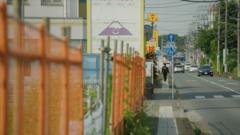
The town of Toyooka in Japan's Hyogo Prefecture is experiencing a significant debate over its identity following protests against the construction of its first mosque. This situation underscores a broader challenge Japan faces as it increasingly relies on foreign labor to address its demographic decline and aging population, while simultaneously grappling with the integration of diverse cultures and religions.
The controversy began when a local group voiced strong opposition to the establishment of the mosque, citing concerns that have been interpreted by some as xenophobic. The protests have brought to the forefront the complex social dynamics at play in a nation historically characterized by a high degree of cultural homogeneity. While proponents of the mosque emphasize religious freedom and the need for inclusive communities, opponents have raised issues related to public order and cultural compatibility. The local government has been caught in the middle, attempting to balance the rights of the Muslim community with the concerns of some residents.
Toyooka, like many other municipalities in Japan, has been actively seeking foreign workers to fill labor shortages in sectors such as agriculture, manufacturing, and healthcare. The influx of these workers, many of whom are Muslim, necessitates a re-evaluation of existing social structures and attitudes. The mosque, intended to serve as a place of worship and a community hub for the growing Muslim population, has become a focal point for these underlying tensions. The debate in Toyooka is not merely about a building; it reflects a national conversation about what it means to be Japanese in an era of increasing globalization and demographic shifts.
This incident is part of a larger trend in Japan where the government has been gradually easing immigration policies to attract more foreign talent. However, the social infrastructure and public perception required for successful integration have lagged behind these policy changes. The protests in Toyooka highlight the potential for friction when new communities and their cultural practices are introduced into established social landscapes. The outcome of this local debate could have implications for how other Japanese towns and cities approach the integration of foreign residents and the accommodation of diverse religious practices in the future. The town's response will be a test case for Japan's capacity to foster a more multicultural and inclusive society.
Original source — read the full reporting at the publisher:
Read on BBC World NewsGet the weekly AI digest
AI news + new model releases, weekly. Drafted by our agents, reviewed by humans.