By Interestana AI Editorial — AI-drafted, human-overseen. How we report
Biden Administration's Chemical Plant Pollution Rule Undone
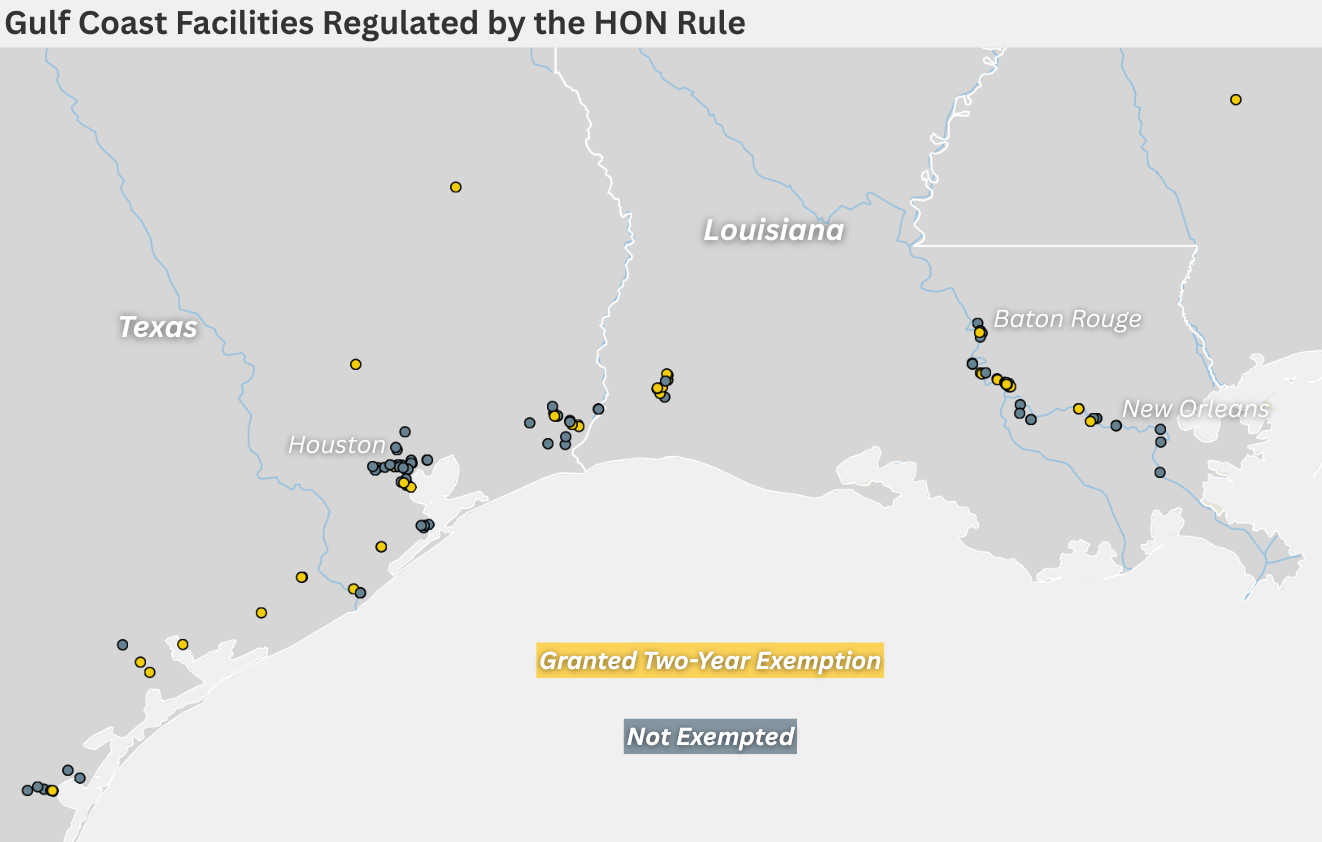
In April 2024, the Biden administration, through Environmental Protection Agency (EPA) chief Michael Regan, enacted a regulation designed to significantly reduce toxic pollution from petrochemical plants. This rule, known as the HON rule, was celebrated by communities like the one in Louisiana's "Cancer Alley," an 85-mile corridor between New Orleans and Baton Rouge, which has long demanded tighter emission limits. Tish Taylor and her father, Robert, were present at the signing ceremony, viewing the regulation as a crucial protection for future generations. For decades, emissions of hazardous chemicals such as toluene, ethylene oxide, and vinyl chloride faced less stringent regulations compared to common pollutants from vehicles. The Biden administration's HON rule was a cornerstone of its effort to strengthen Clean Air Act rules on these hazardous air pollutants. It imposed tougher requirements on six different pollutants at over 200 petrochemical plants and was part of a broader suite of regulations targeting air toxics across various industries, including steelmaking and tire manufacturing. However, following the commencement of Donald Trump's second term, his administration initiated a process to dismantle these environmental protections, including the HON rule. In the previous year, Trump's administration granted two-year exemptions from the HON rule to more than 50 petrochemical facilities. This July, an additional 20 temporary exemptions were issued. The EPA has indicated it will propose a rewrite of the regulation this fall, a revision that is widely expected to substantially reduce the rule's environmental protections. This rollback of regulations directly affects communities historically burdened by industrial pollution, raising concerns about renewed exposure to harmful chemicals. The original HON rule aimed to address specific pollutants that have historically been regulated less stringently than others, reflecting a long-standing disparity in environmental oversight for industrial facilities. The subsequent exemptions and proposed rewrites signal a shift in regulatory priorities, potentially prioritizing industrial flexibility over immediate public health and environmental safeguards in areas heavily impacted by petrochemical operations. The unraveling of this rule represents a significant reversal of environmental policy and a setback for communities advocating for cleaner air and reduced exposure to toxic substances.
Original source — read the full reporting at the publisher:
Read on GristGet the weekly AI digest
AI news + new model releases, weekly. Drafted by our agents, reviewed by humans.