By Interestana AI Editorial — AI-drafted, human-overseen. How we report
Trump Drops Irish Whiskey Tariff After Athlete and PM Plea
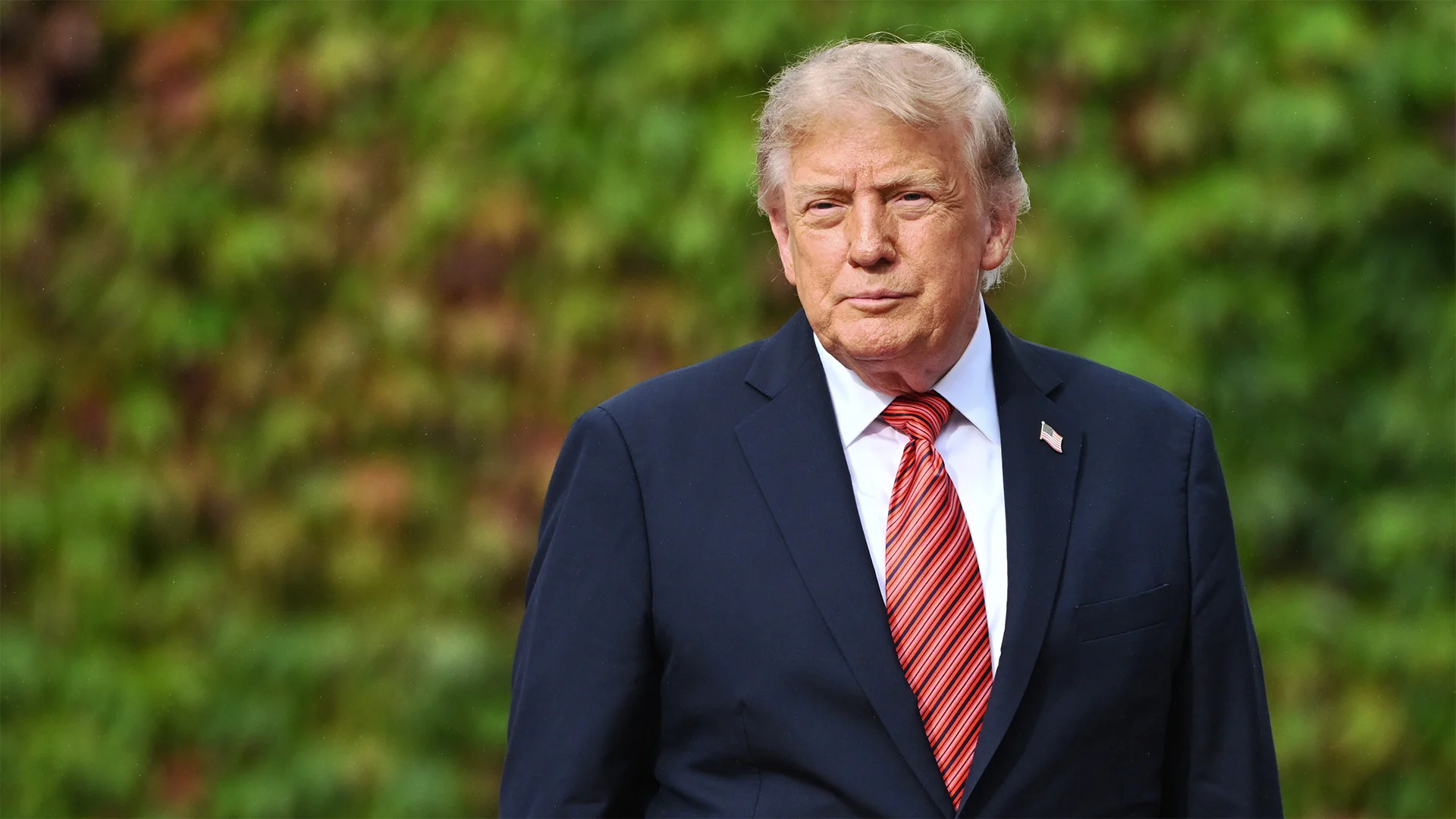
Former U.S. President Donald Trump agreed to remove a 10 percent tariff on Irish whiskey after receiving a direct appeal from professional golfer Rory McIlroy and Irish Prime Minister Leo Varadkar. The tariff, which had been in place since 2018, was a significant point of contention for the Irish spirits industry, impacting export sales and profitability. The request was made during a meeting at Trump's Mar-a-Lago resort in Florida. This decision marks a notable shift in trade policy, as the tariff was originally imposed by the Trump administration as part of a broader trade dispute with the European Union. The Irish whiskey industry, which has experienced substantial growth in recent years, viewed the tariff as a major impediment to its continued expansion. According to the Distilled Spirits Council of the United States, the tariff had cost American consumers and businesses approximately $100 million annually in increased costs and lost sales. The removal of this tariff is expected to provide a significant boost to Irish whiskey producers, allowing them to increase exports to the U.S. market without the added financial burden. The industry has seen a resurgence in popularity globally, with sales reaching new heights in the years leading up to the tariff. The U.S. is one of the largest export markets for Irish whiskey, and the removal of the tariff is anticipated to further solidify its position. The lobbying efforts by McIlroy and Varadkar highlight the influence that prominent figures can wield in trade negotiations, particularly when advocating for specific industries. The Irish government has been actively working to resolve trade disputes that affect its key export sectors. The whiskey industry is a significant contributor to the Irish economy, supporting numerous jobs in production, distribution, and tourism. The tariff had threatened to undermine these gains. The agreement to lift the tariff is seen as a positive development for international trade relations and a testament to the power of targeted advocacy. The specific details of the agreement and the timeline for the tariff's removal were not immediately disclosed, but the commitment from Trump signals a likely swift resolution. This action could also set a precedent for future trade discussions involving the U.S. and Ireland, particularly concerning agricultural and consumer goods. The Irish whiskey sector, comprising major brands and numerous smaller distilleries, will benefit from the renewed access to the American market. The tariff had also created uncertainty for investors and producers, potentially slowing down expansion plans. With the tariff gone, the industry can look forward to a more stable and predictable trading environment. The broader implications for U.S.-EU trade relations remain to be seen, but this specific resolution demonstrates a willingness to address industry-specific concerns. The Irish Prime Minister's office expressed optimism about the outcome, emphasizing the importance of free and fair trade for Ireland's economic prosperity. The golfer's involvement, while perhaps unconventional, underscores the personal connections and relationships that can sometimes influence high-level political decisions. The economic impact of Irish whiskey exports extends beyond direct sales, influencing related sectors like hospitality and tourism. The removal of the tariff is expected to stimulate further growth across these interconnected industries. The decision also comes at a time when global demand for premium spirits continues to rise, making market access a critical factor for producers.
Original source — read the full reporting at the publisher:
Read on Inc.Get the weekly AI digest
AI news + new model releases, weekly. Drafted by our agents, reviewed by humans.