By Interestana AI Editorial — AI-drafted, human-overseen. How we report
SpaceX Rocket Set to Crash Into Moon, Creating New Crater
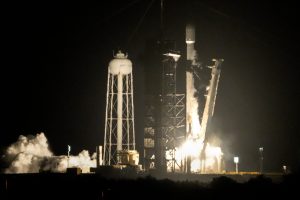
A SpaceX rocket's upper stage, which has been adrift in space for over a year, is on a collision course with the Moon and is predicted to impact on Wednesday. This event marks the second time a human-made object has unintentionally crashed into the lunar surface, following a Chinese rocket segment in 2022. The impending impact is expected to create a new crater, approximately 65 feet (20 meters) in diameter, and eject a plume of dust and debris. Space tracking expert Bill Gray predicts the rocket will strike the Moon at a speed of 5,400 mph (8,700 kph), which is seven times the speed of sound, near Einstein Crater on the Moon's western limb. The eastern portions of North and South America are anticipated to have the best viewing opportunities for the event, which will occur in the early morning hours. While this particular piece of space debris is not a significant concern for scientists, the incident highlights the growing issue of orbital congestion and the potential hazards posed by defunct spacecraft. Gray noted that the upper stage could have been nudged into a solar orbit to avoid this lunar collision. The energy released by the impact is estimated to be equivalent to three tons of TNT. Although the brief impact flash itself may be too dim to be observed, the resulting stream of ejected material could extend for several miles into space and remain visible to telescopes for an extended period. Benjamin Fernando from Los Alamos National Laboratory emphasized the scientific interest in the event, stating that it will help researchers understand the potential hazard that debris impacts pose to future lunar missions and astronauts. The low gravity and lack of wind on the Moon mean that the ejected dust will not dissipate quickly, allowing for detailed observation of the impact site and the resulting ejecta. This event serves as a stark reminder of the increasing amount of space junk in orbit and the need for better space debris management strategies.
Original source — read the full reporting at the publisher:
Read on FortuneGet the weekly AI digest
AI news + new model releases, weekly. Drafted by our agents, reviewed by humans.