By Interestana AI Editorial — AI-drafted, human-overseen. How we report
Documentary Explores Progressive Cow-and-Calf Dairy Farming
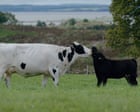
The documentary 'A Dairy Story' explores the progressive farming practice of allowing calves to remain with their mothers for five to six months, a significant departure from the dairy industry's norm of separating them shortly after birth. This practice is showcased at Rainton Farm in Dumfries and Galloway, Scotland, where owners David and Wilma Finlay are pioneering cow-and-calf farming at a commercial scale, believed to be the first such attempt in Europe. The Finlays have a history of organic operations, having managed their farm organically since the 1990s.
This approach challenges the established dairy farming orthodoxy, which prioritizes maximizing milk yield for human consumption by separating calves early to prevent them from drinking the milk. The film depicts the initial skepticism from neighboring farmers and even the cows themselves. In a 2012 pilot, the cows experienced stress due to the unexpected presence of their calves, leading to a temporary drop in milk yields. However, subsequent trials demonstrated a rebound in milk production, with yields increasing by 25% as the mothers adapted and the increased suckling stimulated milk production. The documentary also contrasts this method with the detrimental routines imposed by traditional dairy farming, including a high-stress factory milking schedule and intensive veterinary care and crop fertilization, which have negative ecological consequences.
'A Dairy Story' is positioned within the emerging genre of neo-rural cinema, which delves into the realities of contemporary countryside life. The film's visual style, featuring shots of lush pastures and active animals, underscores the potential for improved animal welfare and environmental sustainability within the agricultural sector. By highlighting the Finlays' innovative approach, the documentary suggests that challenging conventional industry practices can lead to more humane and ecologically sound farming methods. The film aims to demonstrate that by allowing natural maternal bonds to persist, dairy farming can become more beneficial for both the animals and the environment, potentially reshaping perceptions of the industry's impact.
The film's narrative focuses on the transformative potential of this cow-and-calf system, illustrating how it can alleviate stress in dairy cows and foster a more natural environment on the farm. The initial challenges faced during the pilot phase, including animal stress and reduced milk output, are presented as hurdles that were overcome through adaptation and further research. The eventual success, marked by increased milk yields and calmer animals, serves as a testament to the efficacy of the progressive method. The documentary implicitly critiques the industrial model of dairy farming, which often prioritizes efficiency and profit over animal welfare and ecological balance, suggesting that a paradigm shift is not only possible but also beneficial.
Original source — read the full reporting at the publisher:
Read on The Guardian CultureGet the weekly AI digest
AI news + new model releases, weekly. Drafted by our agents, reviewed by humans.