By Interestana AI Editorial — AI-drafted, human-overseen. How we report
Physician Burnout Linked to Fragmented Patient Data Systems
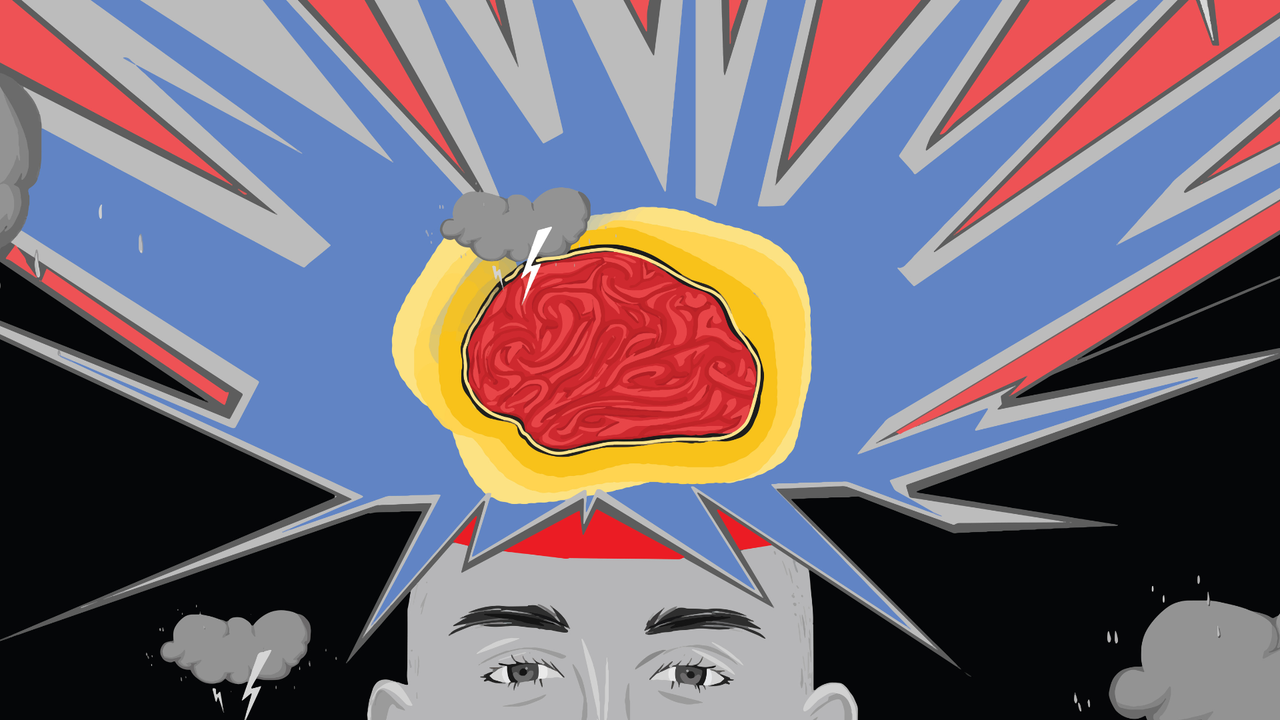
Physician burnout is significantly exacerbated by the fragmented nature of patient data across various healthcare systems, forcing physicians to spend an inordinate amount of time on administrative tasks rather than direct patient care. This "type-and-click" work, primarily associated with Electronic Health Records (EHRs), consumes more than half of a primary care physician's workday. The inability to access a comprehensive, up-to-date patient history—spanning hospital admissions, rehabilitation stays, specialist visits, and medication lists—creates a detective-like scenario during brief, 12-minute appointments. This inefficiency not only strains physicians but also compromises patient care, potentially leading to medical errors, reduced quality of care, safety incidents, and decreased patient satisfaction. Some reports indicate physician burnout rates approaching 50%, a figure that is unsustainable for the healthcare system.
The problem extends beyond EHRs, with time pressure, chaotic work environments, a lack of control over work pace, and organizational culture further contributing to the strain. The consequences are dire, with physicians leaving the profession at an alarming rate. A survey by the American Medical Association (AMA) revealed that over 35% of physicians expressed interest in leaving their jobs within the next two years. This exodus is particularly concerning given the projected physician shortage in the United States, which is estimated to reach up to 86,000 by 2036. The current healthcare infrastructure generates vast amounts of patient data, but this information often remains siloed and inaccessible across disparate systems. For instance, primary care physicians may not receive notifications when their patients require emergency room care or subsequent follow-up, and skilled nursing facilities may not be adequately informed about a patient's medical history, creating critical gaps in care continuity.
The current system's reliance on disconnected information systems across the patient care continuum—including primary care, pharmacy, specialists, home health, and skilled nursing facilities—necessitates immense amounts of inefficient work. This inefficiency is a direct driver of the burnout epidemic. The lack of seamless data integration means that physicians spend valuable time piecing together a patient's medical journey from memory and fragmented records, rather than focusing on diagnosis and treatment. This administrative burden diverts attention from the core mission of patient care, impacting both physician well-being and the quality of healthcare delivered. Addressing this issue requires a fundamental shift towards integrated data systems that provide physicians with a holistic view of their patients' health, thereby reducing administrative overhead and allowing for more focused, effective patient engagement. The long-term implications of failing to address physician burnout, driven in part by these data inefficiencies, include a compromised healthcare system unable to meet the growing needs of the population.
Original source — read the full reporting at the publisher:
Read on Fast CompanyGet the weekly AI digest
AI news + new model releases, weekly. Drafted by our agents, reviewed by humans.