By Interestana AI Editorial — AI-drafted, human-overseen. How we report
Crisis Communication Gap Harms Indigenous Peoples
An out-of-control wildfire threatening the Xeni Gwet’in First Nation in western Canada in April highlighted a significant "crisis communication gap" affecting Indigenous peoples. While local governments issued evacuation alerts, these were not provided in the Tŝilhqot’in language, the primary language for many elders and nearly 650 members of the Tŝilhqot’in Nation. This linguistic barrier complicates disaster response, as families rely on elders for critical decision-making during emergencies. Chantu William, a Tsilhqot’in youth policy coordinator, stated that the nation's forestry crew often must alert elders directly, a community-led approach that proves insufficient during larger-scale disasters.
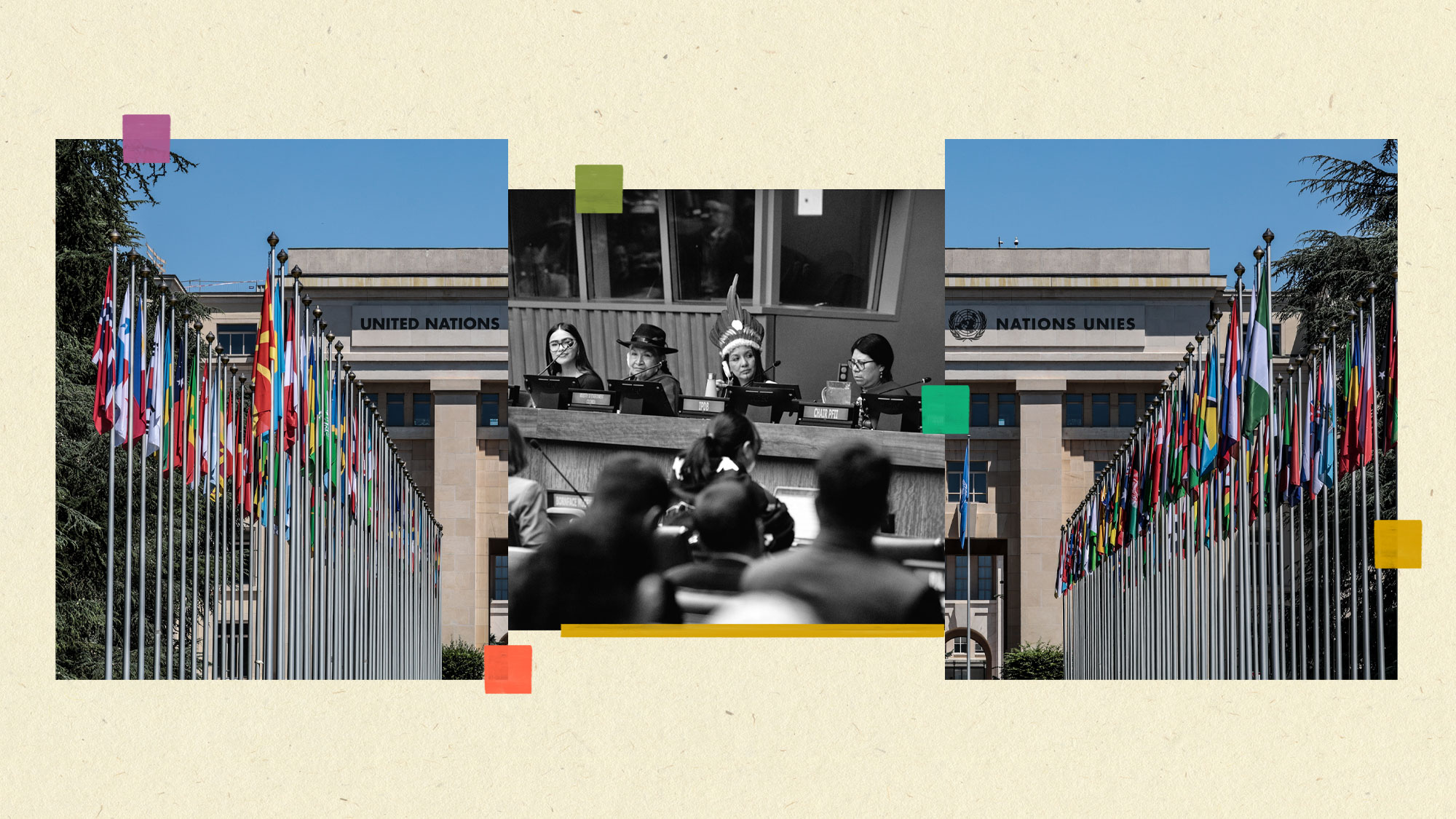
Delegates at the United Nations Expert Mechanism on the Rights of Indigenous Peoples (EMRIP) meeting in Geneva this week echoed these concerns, citing inadequate resources, poor communication, and unsafe conditions as common grievances. The urgency of these issues is amplified by climate change, which is increasing the frequency and intensity of natural disasters such as wildfires, floods, and extreme weather events. Indigenous peoples are increasingly vulnerable to these environmental shifts, with climate disasters and conflict viewed by many as interconnected symptoms of colonialism.
The situation underscores a critical need for improved emergency preparedness and communication strategies that are inclusive of Indigenous languages and protocols. Indigenous leaders are advocating for direct consultation with local and national authorities to develop more effective measures for protecting Indigenous lives and lands. The current communication infrastructure often leaves Indigenous communities waiting for essential information and support, jeopardizing their safety and well-being in the face of escalating environmental threats.
Original source — read the full reporting at the publisher:
Read on GristGet the weekly AI digest
AI news + new model releases, weekly. Drafted by our agents, reviewed by humans.