By Interestana AI Editorial — AI-drafted, human-overseen. How we report
Michigan Supreme Court Vacates Line 5 Pipeline Permit
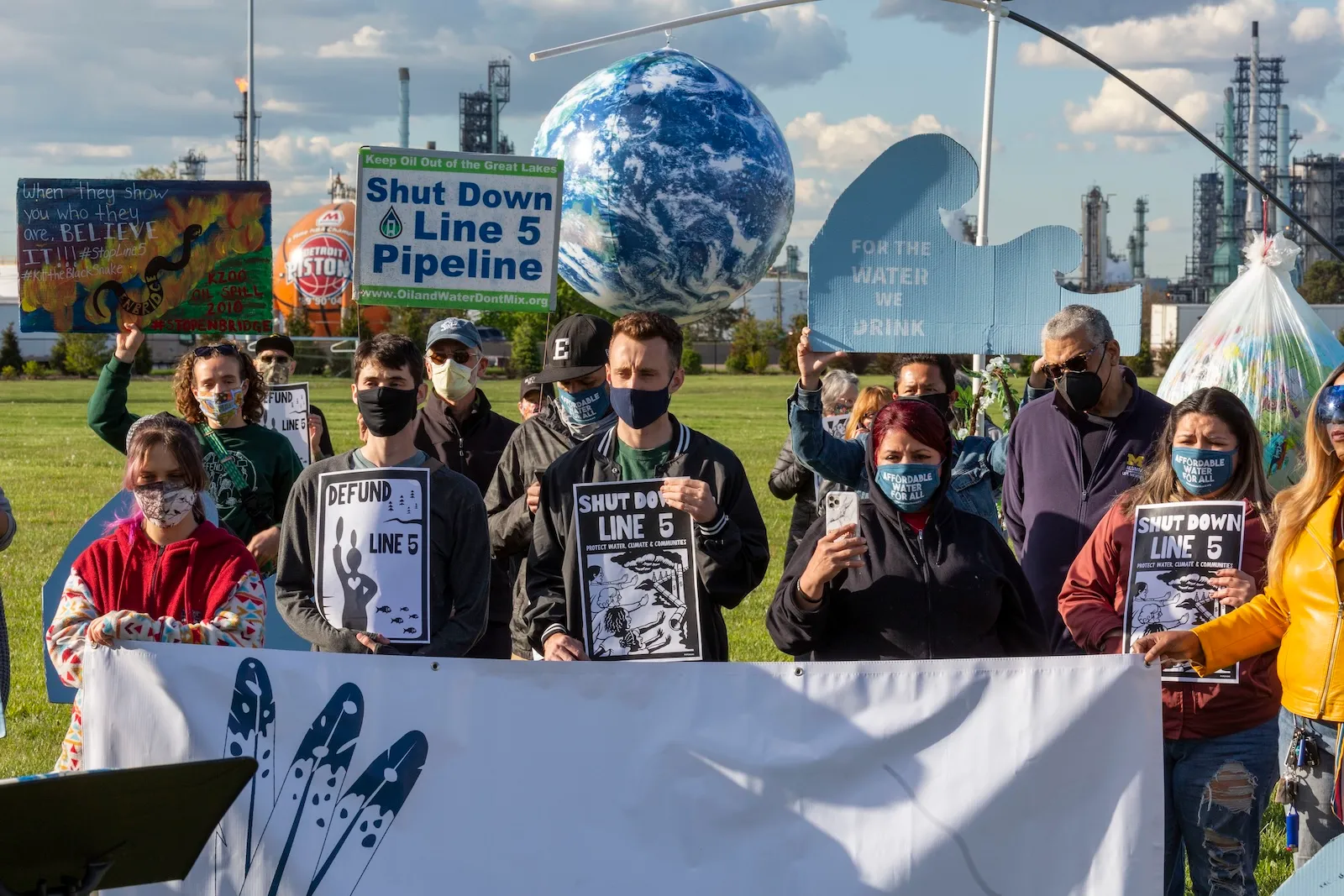
The Michigan Supreme Court vacated a critical permit last week for Enbridge Energy's proposed replacement of a segment of the Line 5 pipeline, a decision that represents a significant setback for the energy company and a victory for environmental opponents. The court's 6-1 ruling found that the Michigan Public Service Commission (MPSC) failed to adequately examine the full scope of potential environmental harm and the project's impact on the public's right to utilize state natural resources, including the Great Lakes, under the state's public trust doctrine. This decision remands the permit back to the MPSC for a more comprehensive review, which is expected to prolong the already lengthy legal and procedural challenges surrounding the project. The permit in question was granted to Enbridge in 2023 for its plan to replace a section of the oil and natural gas liquids pipeline that traverses the environmentally sensitive Straits of Mackinac, connecting Lake Michigan and Lake Huron. The proposed replacement involves encasing the new pipeline within a tunnel buried beneath the lakebed. Environmental advocacy groups and tribal nations had appealed the MPSC's approval, leading to the case's consideration by the state's highest court. In a 58-page opinion authored by Justice Elizabeth Welch, the court stated that the MPSC's review was too narrow, incorrectly limiting its scope under the Michigan Environmental Protection Act to solely the tunnel construction. The justices asserted that the commission should have evaluated the broader implications of the entire pipeline project. Line 5 is a substantial pipeline, spanning 645 miles from Superior, Wisconsin, through Michigan, and extending to Sarnia, Ontario. The segment crossing the Straits of Mackinac is approximately 4.5 miles long. The court's directive for a new review emphasizes the need for a thorough assessment of potential environmental risks, including but not limited to the construction of the tunnel, and how these risks align with the state's obligation to protect its natural resources for public use. This ruling underscores the complex regulatory and legal landscape governing critical infrastructure projects, particularly those impacting ecologically sensitive areas and involving significant environmental considerations. The extended timeline for the MPSC's reconsideration means that the future of this specific pipeline segment remains uncertain, with continued scrutiny expected regarding its environmental footprint and adherence to public trust principles. The decision highlights the judiciary's role in ensuring that regulatory bodies conduct exhaustive environmental impact assessments before approving projects that could affect public resources.
Original source — read the full reporting at the publisher:
Read on GristGet the weekly AI digest
AI news + new model releases, weekly. Drafted by our agents, reviewed by humans.