By Interestana AI Editorial — AI-drafted, human-overseen. How we report
New Film 'The Brink of War' Criticized for Overstating Reagan's Role in Reykjavik Summit
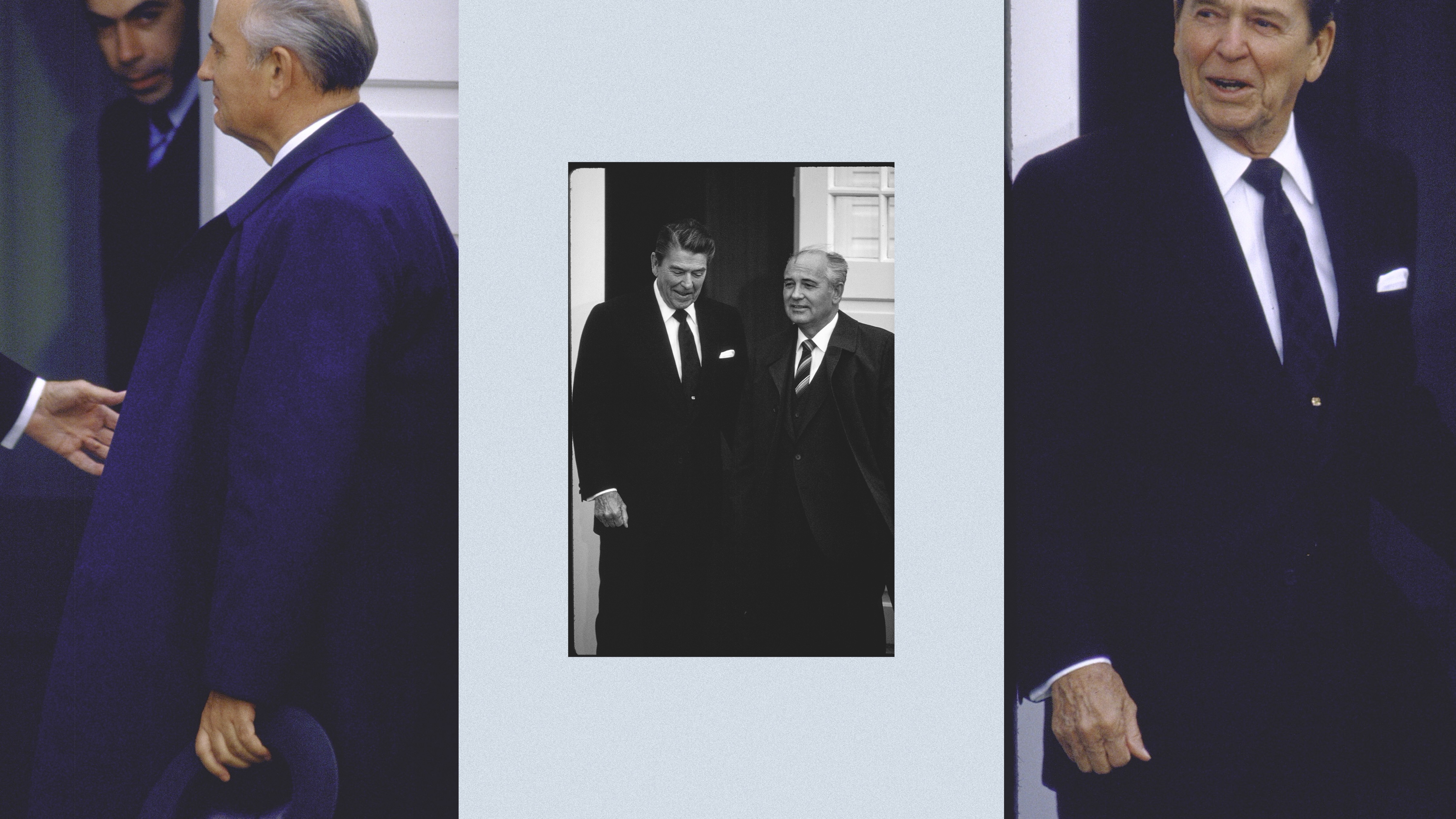
The recently released film, "The Brink of War," which centers on the pivotal 1986 Reykjavik summit between United States President Ronald Reagan and Soviet General Secretary Mikhail Gorbachev, is drawing criticism for presenting a narrative that is arguably too kind to Reagan and historically oversimplified. The film's central thesis appears to suggest that Reagan's steadfast resolve and his visionary Strategic Defense Initiative (SDI), often dubbed "Star Wars," were the primary catalysts for the summit's outcomes and the subsequent de-escalation of Cold War tensions. Critics contend that this portrayal grants disproportionate credit to Reagan, neglecting the intricate web of pressures, motivations, and diplomatic maneuvers that truly defined the negotiations.
Ronald Reagan, the 40th President of the United States (1981-1989), was a prominent figure in American conservative politics, known for his strong anti-communist stance and his assertive foreign policy. Mikhail Gorbachev, who led the Soviet Union from 1985 to 1991, initiated significant reforms, including perestroika (restructuring) and glasnost (openness), aimed at revitalizing the Soviet economy and political system. The Reykjavik summit was a critical juncture in their relationship, where they met to discuss arms control and broader geopolitical issues. "The Brink of War" reportedly highlights Reagan's personal conviction and the perceived threat of SDI as the key elements that pressured Gorbachev into making concessions. However, historical accounts and analyses from participants paint a more complex picture. Gorbachev was under immense pressure to curb the Soviet Union's escalating military expenditures, which were crippling the nation's economy and hindering his domestic reform agenda. Arms control was therefore a high priority for him, not solely a reaction to American pressure.
Furthermore, the film's focus on Reagan's individual impact is seen by some as overshadowing the crucial contributions of other diplomats, intelligence agencies, and the prevailing global climate of the late Cold War. The summit, while not yielding immediate comprehensive treaties, was instrumental in laying the groundwork for future agreements, most notably the Intermediate-Range Nuclear Forces Treaty (INF Treaty) signed in 1987. This treaty eliminated an entire class of nuclear weapons and represented a significant step towards nuclear disarmament. The success of such agreements was the product of sustained dialogue, mutual compromise, and a confluence of factors, rather than solely the result of one leader's charisma or strategic brilliance. The critical perspective suggests that "The Brink of War" leans towards a hagiographic depiction of Reagan, potentially misinforming audiences about the multifaceted historical forces and the shared agency involved in navigating one of the most critical periods of the 20th century.
Original source — read the full reporting at the publisher:
Read on The AtlanticGet the weekly AI digest
AI news + new model releases, weekly. Drafted by our agents, reviewed by humans.