By Interestana AI Editorial — AI-drafted, human-overseen. How we report
Queensland Coalmine Abandoned, Farmer Faces Cleanup Uncertainty
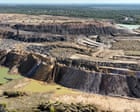
Trish Goodwin, a cattle farmer in Queensland's central highlands, has learned that the Bluff coalmine, situated on her property 175 kilometers west of Rockhampton, has been officially abandoned. This development, while not surprising to Goodwin who anticipated the mine operators would "walk away from it," leaves her with significant concerns about the future rehabilitation of the site. The mine has been mothballed for an extended period, creating a "gaping wound" on her land. The Queensland state government is currently reviewing legislation designed to ensure that taxpayers are not burdened with the costs of mine site rehabilitation, a process that typically involves restoring the land to a safe and stable condition, often aiming for ecological recovery or a state suitable for future land use.
Goodwin's situation highlights a recurring issue in regions with a history of mining: the potential for abandoned mine sites to become environmental liabilities. The Bluff coalmine, like many others, was likely operated under permits that included rehabilitation obligations. However, the effectiveness of these obligations and the financial security mechanisms in place to guarantee their completion are often tested when companies cease operations or go into liquidation. The review of Queensland's laws suggests an acknowledgment by the government that existing frameworks may not be sufficiently robust to prevent such scenarios. The specific details of the Bluff mine's operational history, including its original mining lease, the duration of its operation, and the exact nature of the rehabilitation bond or security lodged by the former operators, are crucial to understanding the current legal and financial responsibilities for its cleanup.
The abandonment of the Bluff coalmine raises questions about the adequacy of regulatory oversight and enforcement in the mining sector. While the government's review of rehabilitation laws is a positive step, the immediate concern for Goodwin and potentially other landowners in similar situations is the timeline for resolution and the clarity of responsibility. The process of mine rehabilitation can be complex and costly, often involving measures such as capping mine shafts, managing water contamination, revegetating disturbed land, and ensuring structural stability. The absence of clear accountability can lead to prolonged environmental degradation, posing risks to local ecosystems, water resources, and human health. The specific type of coal mined at Bluff and the extent of the mining operations would influence the scale and nature of the rehabilitation required.
As the state government deliberates on legislative changes, the immediate future of Goodwin's farm and the environmental impact of the abandoned Bluff coalmine remain uncertain. The review of laws aims to strengthen the polluter-pays principle, ensuring that the financial burden of remediation falls on the mining companies rather than the public purse. This often involves requiring companies to lodge rehabilitation bonds or provide other forms of financial assurance that are sufficient to cover the estimated costs of closure and rehabilitation. The effectiveness of these financial assurances is a key focus of such legislative reviews, particularly in light of past instances where companies have failed to meet their obligations. The outcome of this review will be critical for setting precedents and providing a clearer pathway for landowners like Trish Goodwin to seek resolution for abandoned mine sites.
Original source — read the full reporting at the publisher:
Read on The Guardian EnvironmentGet the weekly AI digest
AI news + new model releases, weekly. Drafted by our agents, reviewed by humans.