By Interestana AI Editorial — AI-drafted, human-overseen. How we report
Samsung's Galaxy Aero Watch May Offer Week-Long Battery
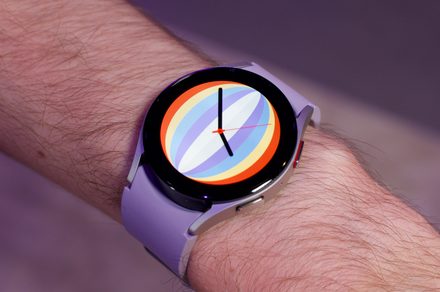
References discovered within the Galaxy Wearable application suggest Samsung is developing a new smartwatch codenamed "Galaxy Aero." This potential new device may deviate from the company's current smartwatch operating system strategy, as indications point towards it running on RTOS (Real-Time Operating System) rather than Google's Wear OS. This shift to RTOS is often associated with enhanced power efficiency in wearable devices.
The primary implication of this potential RTOS integration is a significant improvement in battery life. Early indications suggest the Galaxy Aero could offer more than a week of usage on a single charge. This contrasts with many current smartwatches, including Samsung's own Galaxy Watch series, which typically require charging every one to two days, especially with active usage of features like GPS, cellular connectivity, and always-on displays. The extended battery life would address a common pain point for smartwatch users who desire less frequent charging cycles.
The Galaxy Wearable app, which serves as the central hub for managing Samsung's wearable devices, contained these internal references. The presence of codenames and feature hints within such an application typically signifies ongoing development and testing phases. While the exact specifications and feature set of the Galaxy Aero remain unconfirmed, the codename itself, "Aero," might hint at a focus on lightness, speed, or perhaps even a design aesthetic that is streamlined and less obtrusive.
Samsung has historically utilized both its own Tizen-based OS and Google's Wear OS for its smartwatches. The Galaxy Watch 4, launched in 2021, was the first to fully adopt Wear OS, a partnership that continued with subsequent models like the Galaxy Watch 5 and Galaxy Watch 6. A return to an RTOS for a specific model, like the potential Galaxy Aero, could indicate a strategy to cater to different market segments or use cases, perhaps for users prioritizing battery longevity and core functionalities over the full app ecosystem offered by Wear OS. RTOS is commonly found in simpler, more specialized wearables where battery life and real-time performance are paramount, such as fitness trackers or basic smartwatches.
Further details regarding the Galaxy Aero's hardware, display technology, health tracking capabilities, and pricing are not yet available. However, the discovery within the Galaxy Wearable app provides a concrete signal that Samsung is exploring new avenues in its smartwatch development, with a strong emphasis on addressing user demand for extended battery performance.
Original source — read the full reporting at the publisher:
Read on Digital TrendsGet the weekly AI digest
AI news + new model releases, weekly. Drafted by our agents, reviewed by humans.