By Interestana AI Editorial — AI-drafted, human-overseen. How we report
Insects Migrate Northward in UK Due to Warming Climate
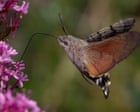
Britain has experienced a significant increase in migrating insect populations, with some species traveling from as far north as Africa, a phenomenon attributed to the warming global climate. Ecologists and entomologists are documenting these unusual arrivals, noting their distinct sounds and behaviors. Matt Phelps, an ecologist at Knepp Estate in West Sussex, described hearing a piercing, whirring noise during an evening stroll in July, which he initially could not identify as a native UK creature. The sound was likened to a film's cricket sound effect – a beeping, trilling noise that seemed to emanate from all directions, exhibiting a ventriloquial quality. Phelps, along with entomologist Graeme Lyons, attempted to locate the source of this loud, unfamiliar sound.
This influx of insects is part of a broader trend observed globally, where rising temperatures are altering insect distribution patterns. As the planet warms, habitats that were previously too cold for certain species are becoming viable, allowing them to expand their ranges northward. This migration is not limited to a single species but appears to be a widespread ecological shift affecting various insect groups. The implications of these changes are far-reaching, potentially impacting native ecosystems, agriculture, and biodiversity. The presence of insects from distant regions like North Africa suggests a significant disruption of established migratory routes and ecological balances.
The scientific community is actively studying these developments to understand the full scope of the impact. Researchers are collecting data on the species involved, their origins, and the environmental factors driving their migration. The Knepp Estate, known for its rewilding projects, provides a unique environment for observing these ecological changes. The observation by Phelps and Lyons highlights the need for continued monitoring and research into how climate change is reshaping the natural world. The increased presence of these non-native insects could lead to competition with indigenous species, alterations in food webs, and the potential introduction of new diseases or pests. Understanding these dynamics is crucial for developing effective conservation strategies and mitigating the negative consequences of climate-induced biodiversity shifts. The phenomenon underscores the interconnectedness of global climate patterns and local ecological health, emphasizing the urgent need for climate action.
Original source — read the full reporting at the publisher:
Read on The Guardian EnvironmentGet the weekly AI digest
AI news + new model releases, weekly. Drafted by our agents, reviewed by humans.