By Interestana AI Editorial — AI-drafted, human-overseen. How we report
Esports Injury Crisis Prompts Teams to Build Sports Medicine Staffs
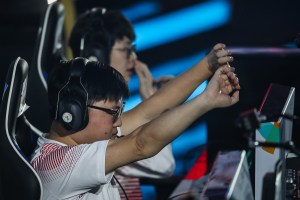
The burgeoning esports industry is confronting a significant crisis: a high prevalence of career-ending physical and mental health injuries among its professional players. Jian “Uzi” Zi-hao, a renowned "League of Legends" player, exemplifies this issue. His professional career, which garnered over $500,000 in prize money, was prematurely ended in 2020 at the age of 25 due to chronic wrist and arm injuries. This situation highlights the often-underestimated physical demands of professional gaming, which can be as taxing as traditional sports.
Professional esports athletes adhere to rigorous schedules that include extensive practice sessions, scrimmages, and official matches. This demanding routine contributes to both physical strain and significant mental toll. A 2021 study involving Portuguese esports players revealed that 37% experienced symptoms of anxiety and depression, while 45% reported sleep disturbances. These mental health challenges are often exacerbated by the physical toll of the sport. Common physical ailments among esports players include vision problems, such as eye fatigue and decreased focusing ability, stemming from prolonged screen time. Additionally, the blue light emitted from screens can disrupt melatonin production, negatively impacting sleep patterns.
Musculoskeletal issues are another major concern, with many players suffering from hand and wrist pain. Repetitive motions associated with intense gameplay can lead to conditions like carpal tunnel syndrome, tendonitis, and "gamer's thumb." These injuries, often resulting from overuse and irritation, can have debilitating long-term effects on a player's ability to perform. The intensity of professional play, where split-second reactions and precise movements are paramount, places immense stress on the hands, wrists, and arms. The constant engagement with input devices like keyboards and mice, combined with the need for sustained focus and rapid execution, creates a perfect storm for repetitive strain injuries.
In response to this escalating injury crisis, esports organizations are beginning to prioritize player well-being by establishing dedicated sports medicine departments. This strategic shift mirrors practices in traditional professional sports, where athletic trainers, physical therapists, and sports psychologists are integral to player health and longevity. By investing in comprehensive medical support, esports teams aim to prevent injuries, manage existing conditions, and provide rehabilitation services, thereby safeguarding the careers and overall health of their athletes. This proactive approach is crucial for the sustainable growth of the esports ecosystem, ensuring that talent is not lost prematurely to preventable or treatable physical and mental ailments. The integration of sports medicine signifies a maturation of the industry, recognizing that peak performance in esports requires a holistic approach to athlete care.
Original source — read the full reporting at the publisher:
Read on FortuneGet the weekly AI digest
AI news + new model releases, weekly. Drafted by our agents, reviewed by humans.